RDC Restoration Blog · New Jersey
Mold Air Quality Testing in NJ: Why It Matters
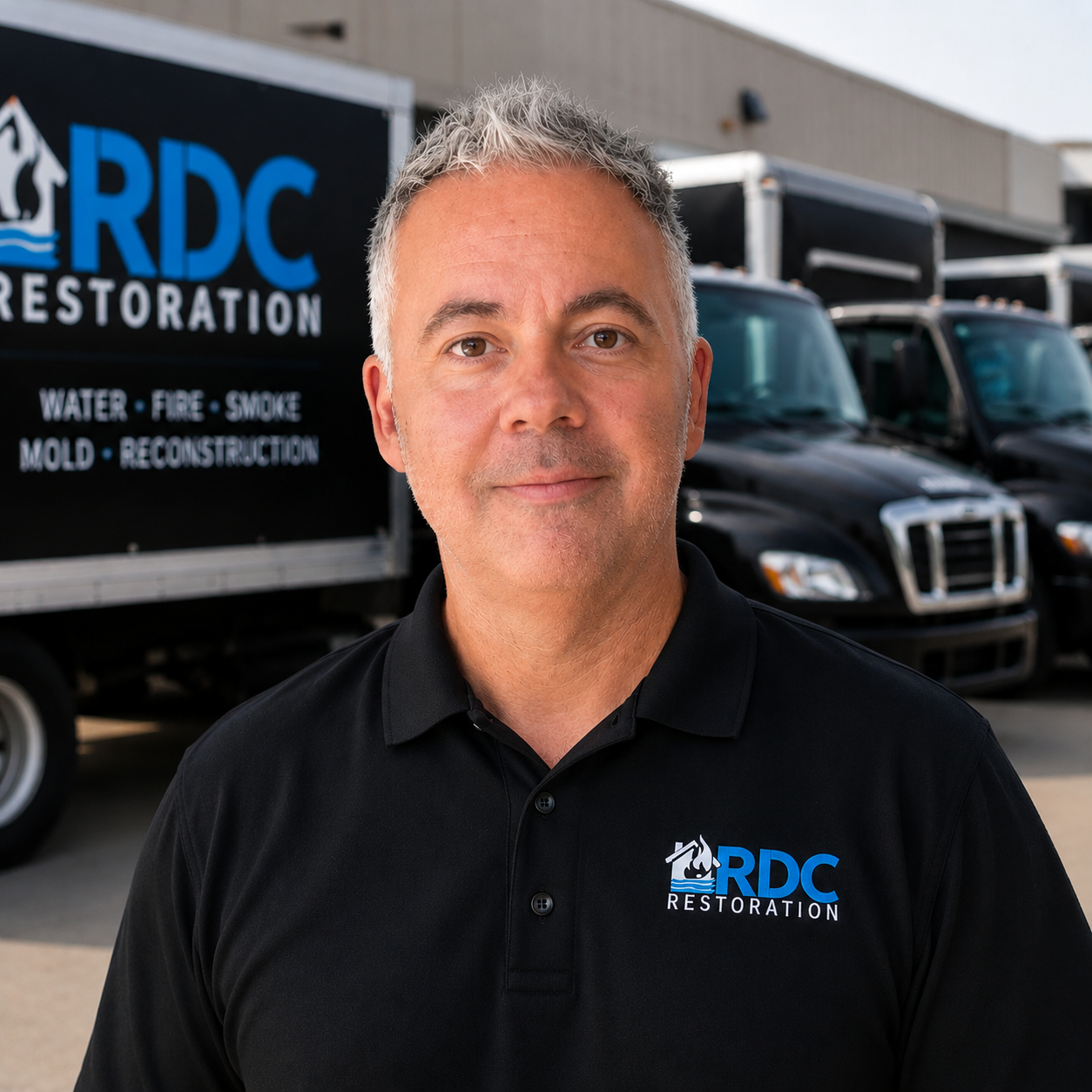
Mold air quality testing is the fastest way to confirm a hidden problem, because you cannot always see mold — it grows inside walls, HVAC systems, and crawl spaces where it silently releases spores into the air you breathe. In 27 years restoring New Jersey homes and businesses, I have learned that a musty smell or lingering allergy symptom is often the only clue a family gets. Testing turns that guesswork into a clear, measurable answer before you spend a dollar on remediation, and it verifies the air is clean once the work is done.
What is mold air quality testing?
Mold air quality testing measures the concentration of mold spores in the air of your home or business and compares it to a fresh-air baseline taken outdoors. A certified technician draws calibrated air samples, sends them to an accredited laboratory, and receives a spore count broken down by mold type. When indoor counts run higher than the outdoor control, or contain species that rarely appear outside, that gap tells us mold is actively growing somewhere on the property — even when nothing is visible. It is the difference between “I think we might have mold” and a documented result you can act on.
This matters because mold is not just a cosmetic issue. Airborne spores are what trigger the coughing, congestion, headaches, and worsening asthma many families blame on allergies or a cold that never fully clears. If you suspect a problem, our mold testing and remediation team can pinpoint it and remove it at the source.
Signs you may need mold air quality testing in NJ
New Jersey’s damp basements, humid summers, and older housing stock make hidden mold common. Consider a test if you notice any of the following:
- A persistent musty or earthy odor with no visible source
- Allergy-like symptoms — sneezing, itchy eyes, congestion — that ease when you leave the house
- A recent water leak, flood, or roof intrusion that was slow to dry
- Visible staining on walls or ceilings, or peeling paint near moisture
- Buying or selling a home and wanting an unbiased indoor-air baseline
- Confirming a past remediation actually worked before you close the wall back up
Because water feeds mold within 24 to 48 hours, any unexplained moisture event is worth investigating. If you have had a leak or flood, our water damage restoration crews dry the structure fast so mold never gets a foothold in the first place.
How the mold air quality testing process works
Professional testing follows a repeatable, standards-based routine so the results hold up — whether you are protecting your family’s health or documenting a claim.
1. Air sampling
We collect controlled air samples indoors and an outdoor control sample from the same day. The lab compares the two, so we are not guessing about what “normal” looks like for your specific property and the weather that day.
2. Surface and moisture mapping
Air numbers tell us whether there is a problem; moisture meters, thermal imaging, and targeted surface swabs help tell us where. Finding the water source is the whole game — mold that is cleaned but left with its moisture supply intact simply grows back.
3. Post-remediation clearance testing
After remediation, a clearance test proves the job succeeded. Independent air readings that fall back in line with the outdoor baseline are your written evidence the space is safe to reoccupy — the peace of mind that comes at the end of a properly finished project.
Why New Jersey’s climate makes testing important
New Jersey sits in a humid mid-Atlantic band where summer moisture, spring thaw, and coastal storms keep indoor humidity high for months at a stretch. Finished basements, crawl spaces, and attics — common across the state’s older homes — trap that moisture and give spores exactly what they need. In these conditions, testing gives real answers instead of guesswork, and it is often the only way to catch mold before it spreads behind drywall or into an HVAC system that then circulates spores through every room. Homeowners fighting recurring basement dampness should also look at basement waterproofing, which removes the moisture source mold depends on.
Testing vs. remediation: which comes first?
Testing and remediation are two different jobs, and doing them in the right order saves money. Testing diagnoses; remediation treats. Starting with mold air quality testing means you only pay to remediate what actually needs it, and you get an objective before-and-after record rather than a contractor’s word. For a large area, contaminated water, or any active health concern, skip the DIY route and call a certified professional — homeowners rarely have the containment gear, commercial drying equipment, or lab access to do this safely.
What certified mold air quality testing includes
Credentials matter here because a mold report is only as trustworthy as the standards behind it. RDC Restoration’s work is grounded in nationally recognized training: our team holds IICRC certifications in Water Restoration (WRT) and Applied Structural Drying (ASD), plus NORMI mold credentials and AHERA training. We follow the industry protocols published by the National Organization of Remediators and Mold Inspectors (NORMI), use accredited labs for sample analysis, and provide clear, itemized documentation you can hand to an insurer or a home inspector. RDC is BBB A-rated with a 4.9-star reputation, and in covered losses we bill your insurance carrier directly.
What mold air quality testing costs in New Jersey
Cost depends on the size of the property, how many samples are needed, and whether you are testing before remediation, after, or both. Rather than quote a figure that may not fit your home, RDC provides a free, no-pressure on-site assessment so you know exactly what a test — and any remediation it uncovers — will involve. Typically, a small, contained job costs far less than a large or long-delayed one, because waiting lets spores spread and adds to the eventual bill. Acting early is almost always the cheaper path.
Key takeaways
- Mold air quality testing measures hidden spores you cannot see or smell reliably
- Test before remediation to diagnose, and after to prove the air is clean
- New Jersey’s humidity and older homes make hidden mold common
- Certified, standards-based testing gives insurer-ready documentation
- Call (908) 253-9000 for 24/7 help across all 21 NJ counties
Worried about hidden mold in your New Jersey home? RDC Restoration answers 24/7.
Quick answers
Frequently asked questions
How do I know if I need mold air quality testing?
If you notice a musty odor, allergy-like symptoms that ease when you leave home, or you have had a recent leak or flood, mold air quality testing is worth doing. It confirms a hidden problem before you spend on remediation. Call RDC at (908) 253-9000.
Does RDC Restoration handle mold testing in my New Jersey town?
Yes — RDC serves all 21 New Jersey counties, dispatched 24/7 from our Berkeley Heights (Union County) and Piscataway (Middlesex County) hubs. See our service areas.
Is mold air quality testing the same as remediation?
No. Testing diagnoses whether and where mold exists; remediation removes it. Testing first means you only pay to remediate what truly needs it, and you get an objective before-and-after record.
Is the assessment really free?
Yes — RDC provides free, no-pressure on-site assessments across New Jersey, and in covered losses we bill your insurance carrier directly.
What certifications does RDC hold?
Our team holds IICRC (WRT, ASD), NORMI, and AHERA credentials, backed by 27 years of experience, a BBB A rating, and a 4.9-star reputation among New Jersey families and businesses.
New Jersey’s trusted restoration team.
Water, fire, or mold trouble? RDC Restoration dispatches the nearest crew 24/7, statewide.