
Westfield, NJ · Union County · Burst Pipe & Winter Water Damage
Burst Pipe & Winter Water Damage in Westfield, NJ
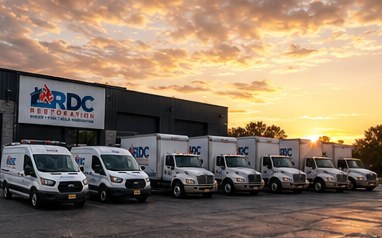
RDC Restoration handles burst pipe water damage in Westfield when a hard freeze splits a line in an exterior wall, a crawl space or an enclosed porch. IICRC-certified crews dispatch 24/7 from Berkeley Heights to extract water, dry plaster, hardwood and framing, and keep mold from following the thaw.
- 24/7 Water Extraction
- Structural Drying
- Mold Prevention
- Direct Insurance Billing
Quick answer
For burst pipe water damage in Westfield, NJ, RDC Restoration dispatches crews 24/7 to extract water, dry walls, ceilings and floors with commercial equipment, and prevent mold. A plumber repairs the pipe and a roofer handles ice dams; RDC handles the water cleanup, drying and documentation and bills your insurer directly where possible. Call (908) 253-9000.
Burst Pipe & Winter Water Damage in Westfield
Burst Pipe Water Damage in Westfield's Older Homes
Burst pipe water damage in Westfield often happens in houses built long before modern insulation standards. Early twentieth-century colonials, Tudors and Victorians in the Gardens, Wychwood and Stoneleigh Park have plumbing in exterior walls, enclosed porches converted to living space, and pipes running through crawl spaces and attached garages. When temperatures drop hard, those runs freeze first. Finished basements and later additions add more lines in tight, cold spaces.
A frozen pipe usually splits quietly. The water flows when the ice melts, often overnight or while the family is away for the holidays, and it travels through plaster ceilings, down wall cavities and across hardwood floors before anyone notices. Hardwood cups, plaster softens and insulation inside the wall stays wet long after the surface looks dry. The longer it sits, the more material has to come out. RDC Restoration's IICRC-certified crews dispatch 24/7 from our Berkeley Heights hub to extract that water and start drying.
Our role is clear. A plumber repairs the pipe, and a roofer clears ice dams. That division keeps each trade doing what it does best, and it keeps your claim clear about which costs belong to which part of the loss. RDC handles emergency water extraction, structural drying, mold prevention and insurance documentation, following the same approach as our winter water damage services statewide and our year-round water damage restoration in Westfield.
More on Burst Pipe & Winter Water Damage →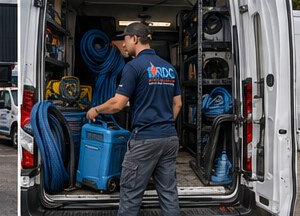
Local risks
Why Winter Hits Westfield Plumbing and Roofs So Hard
Westfield's housing age, mature trees and clay soils create predictable winter weak points. Knowing where they are helps you prevent a loss, and it helps our crews find hidden water faster when a pipe or roof does let go. The list below covers the most common ones.
Pipes in exterior walls
Kitchens and baths added onto older homes often put supply lines against exterior walls with little insulation. Cold wind on that side of the house can freeze a line even when the thermostat inside reads normal.
Crawl spaces and garages
Additions built over crawl spaces and plumbing that passes through attached garages lose heat quickly. Garage doors left open on cold days and drafty crawl space vents are frequent culprits in frozen-pipe calls. Insulating those runs helps a great deal.
Ice dams under big trees
Heat escaping into attics melts roof snow, and the water refreezes at cold eaves. Shade from mature trees keeps some roofs icy longer, so meltwater backs up under shingles and into ceilings and walls. Stains often appear days later.
Thaw flooding and seepage
When snow melts fast or rain falls on frozen ground, clay soil cannot absorb it, and water seeps through older foundations and slab joints. Basement carpet is usually the first casualty. Rain-on-snow events overlap with our storm damage restoration in Westfield.
Frozen sump discharge
Sump pump discharge lines can freeze at the outlet, and ice storms can knock out power. Either way the pump stops moving water away from the house, and the basement floods during the next thaw.
Vacant and away homes
Holiday travel and homes between owners or tenants can leave heat set too low or failing unnoticed. A furnace that quits during a cold snap can freeze plumbing throughout the house before anyone returns. A neighbor checking in regularly can prevent that.
Westfield
Frozen Pipes in Westfield: Prevention and What to Do When One Freezes
Frozen pipes in Westfield are most likely during a long cold stretch with wind, especially in older homes with plumbing in outside walls, enclosed porches or garages. If a faucet slows to a trickle or stops, a pipe may already be frozen. Shut off the water at the main before it thaws so a hidden split does not start flowing. Never use an open flame to thaw a line; a plumber can safely thaw pipes hidden inside walls.
Prevention works. Keep heat steady day and night, let faucets on exterior walls drip during extreme cold, open sink cabinets so warm air reaches the pipes, insulate lines in crawl spaces and garages, and disconnect garden hoses. Homes left empty over winter should have someone check on them regularly. Our guide to preventing frozen pipes in New Jersey has a fuller checklist, and Ready.gov winter weather guidance covers broader cold-weather planning.
- Know where your main shutoff is
- Keep heat steady, even when away
- Drip faucets on exterior walls in extreme cold
- Insulate pipes in crawl spaces and garages
- Disconnect outdoor hoses before the first freeze
Westfield
Ice Dam Leak in Westfield Ceilings and Walls
An ice dam leak in Westfield usually shows up as a brown stain near the top of an exterior wall, peeling paint along a ceiling edge or water dripping from window trim. The roof itself is not necessarily damaged; meltwater is backing up behind ice at the eaves and working its way under the shingles. Homes with large trees shading the roof and older attics with little insulation see this most often.
A roofer or snow removal service clears the ice safely. RDC handles what is inside: we find wet insulation, plaster and framing with moisture meters, remove what cannot be dried, and dry the rest so mold does not develop in the wall. Our article on how ice dams cause water damage explains the warning signs to watch for. Wet attic insulation can hold moisture against the roof deck, so it is usually removed rather than dried.
- Moisture mapping of ceilings and walls
- Removal of soaked insulation
- Drying of plaster and framing
- Mold prevention inside wall cavities
Westfield
Emergency Water Extraction in Westfield After a Winter Burst
Emergency water extraction in Westfield is the first task when our crew arrives at a winter loss. Standing water comes out of basements, finished rec rooms and first floors with truck-mounted and submersible pumps, and carpet and pad are extracted or removed depending on the water source and how long it sat. Finished basements soak up water fast, so furniture and stored belongings are lifted or moved to dry areas as extraction proceeds.
After extraction, air movers and dehumidifiers dry the structure, with moisture readings taken daily until materials reach normal levels. Businesses face the same risk when fire sprinkler lines freeze in unheated areas, and our commercial restoration team in Westfield handles those losses. Holes for drying wall cavities are kept small and placed where your contractor can patch them easily. Owners nearby can call us for burst pipe water damage in Union too.
- Truck-mounted and submersible pumps
- Carpet and pad extraction or removal
- Commercial air movers and dehumidifiers
- Daily moisture monitoring
First steps
What to Do the Moment a Pipe Bursts in Your Westfield Home
- Shut off the main. Close the main water valve, usually in the basement where the line enters from the street. If you cannot find it, call your water utility or a plumber, and make a point of locating it before next winter.
- Turn off power to wet areas. If water is near outlets, appliances or the panel, do not wade in. Shut off the affected circuits only if you can reach the panel safely from a dry spot.
- Call a plumber and RDC. A plumber repairs the pipe, and RDC dispatches 24/7 for extraction and drying. Calling both right away keeps the repair and the cleanup moving together. Reach us at (908) 253-9000.
- Lift belongings off wet floors. Move rugs, furniture, electronics and boxes out of the water. Put foil or blocks under furniture legs to prevent staining, and photograph damaged items before you move them. Start with anything valuable.
- Keep the house warm. Keep the heat on so other pipes do not freeze, but never use open flames or torches on frozen lines. A hair dryer, or a space heater kept at a safe distance, is a safer option.
How we work
How RDC Dries Out a Winter Water Loss in Westfield
1. Inspect and map
Technicians trace water through ceilings, walls and floors with moisture meters, classify the water source and photograph everything for your claim before any materials are removed. Hidden pockets are flagged for drying.
2. Extract
Pumps and extraction tools remove standing water from floors, carpets and basements. Getting water out early limits how far it wicks into plaster, hardwood and framing. Carpet pad is assessed at this stage.
3. Remove what cannot be dried
Saturated insulation, swollen particleboard and some carpet pad are removed. Plaster and solid hardwood can often be dried in place when moisture readings allow. Each item removed is listed and photographed for the claim.
4. Dry and monitor
Commercial air movers and dehumidifiers run with daily moisture checks. Closed-up winter homes trap humidity indoors, so equipment is adjusted as readings drop toward normal. Many families stay in the home during drying, depending on which rooms are affected.
5. Prevent mold and hand off
Dried areas are cleaned and treated where needed. If mold has already started, our Westfield mold remediation team takes over. You receive documentation for your insurer and the contractor handling repairs.
Insurance
Winter Water Damage Claims in Westfield
Homeowner policies generally cover sudden burst pipe water damage in Westfield homes, though they may exclude losses tied to neglect, such as a vacant house left without heat. Ice dam leaks are often covered, while groundwater seepage during a thaw and sump pump backups usually depend on your policy and endorsements. Review your declarations page or ask your agent before winter. Policies also expect you to take reasonable steps to limit further damage, such as shutting off the water.
RDC bills insurers directly wherever possible and provides moisture logs, photos, material lists and drying records. If your carrier asks whether heat was maintained, a thermostat history or utility bill can help. Keep receipts for emergency plumbing work as well. We provide the same documentation through our restoration services across Union County.
Nearby
Burst Pipe & Winter Water Damage across Union County
See the Union County service area, or another town nearby.
Full-service restoration
Other RDC services in Westfield
Water Damage Restoration
Water Damage Restoration in Westfield →Mold Remediation
Mold Remediation in Westfield →Mold Inspection & Testing
Mold Inspection & Testing in Westfield →Basement Waterproofing
Basement Waterproofing in Westfield →Fire & Smoke Damage
Fire & Smoke Damage in Westfield →Storm Damage
Storm Damage in Westfield →Commercial Restoration
Commercial Restoration in Westfield →Sewage Cleanup
About Sewage Cleanup →Asbestos Testing & Abatement
About Asbestos Testing & Abatement →Hoarding Cleanup
About Hoarding Cleanup →Westfield FAQs
Burst Pipe & Winter Water Damage in Westfield: common questions
How quickly can mold grow after a burst pipe in a Westfield home?
Mold can begin growing on wet drywall, insulation and wood within a few days if materials stay damp. That is why extraction and drying should start as soon as the water is shut off. RDC dispatches 24/7, measures moisture daily and documents when each area is dry, which helps prevent growth and supports your claim.
Will RDC fix the broken pipe?
No. RDC is not a plumber. A licensed plumber repairs or replaces the pipe, and RDC handles everything the water touched: extraction, drying, removal of materials that cannot be saved, mold prevention and documentation. We often arrive while the plumber is still working, so call both as soon as you discover the leak.
We came home from a holiday trip to water everywhere. What now?
Shut off the main water valve, turn off power to wet areas if you can reach the panel safely, and call RDC at (908) 253-9000. Take photos before moving anything. Your insurer will likely ask about the heat setting and when you left, so gather thermostat records or a recent utility bill if you have them.
Can an ice dam leak be dried without opening the ceiling?
Sometimes. If moisture readings show the wet area is limited and the insulation above is not saturated, plaster and drywall can often be dried in place with targeted airflow. When insulation is soaked or the ceiling is sagging, removing the affected section is the safer choice. Either way, a roofer should deal with the ice on the roof.
Do you handle frozen pipe damage in towns near Westfield?
Yes. Crews from our Berkeley Heights hub cover Westfield and the surrounding Union County towns, including Cranford, Scotch Plains and Linden, where we provide burst pipe water damage in Linden. RDC serves all of New Jersey from Berkeley Heights and Piscataway, with crews dispatched 24/7 from both locations. Call (908) 253-9000 for help.
Burst Pipe in Westfield? Call RDC 24/7
Shut off the water, then call (908) 253-9000. RDC crews dispatch 24/7 to extract water, dry your Westfield home and document the loss for your insurer.