
Weehawken, NJ · Hudson County · Storm Damage
Storm Damage Restoration in Weehawken, NJ
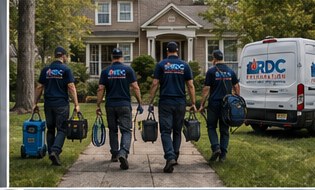
RDC Restoration provides storm damage restoration in Weehawken for homes on the Palisades ridge and buildings along the Port Imperial waterfront. Our IICRC-certified crews tarp damaged roofs, board up broken windows, extract floodwater and dry the structure, dispatching 24/7 from our Berkeley Heights hub whenever a nor'easter, tropical remnant or summer thunderstorm hits.
- 24/7 Storm Response
- Emergency Roof Tarping
- Floodwater Extraction
- Direct Insurance Billing
Quick answer
RDC Restoration responds to storm damage in Weehawken, NJ 24/7. Crews tarp roofs, board up broken windows and doors, clear storm debris, extract floodwater from basements and ground-floor units, and dry the structure to IICRC standards. RDC documents wind and water damage separately for insurance and bills carriers directly. Call (908) 253-9000 day or night for emergency storm response.
Storm Damage in Weehawken
Storm Damage Restoration in Weehawken, Where Cliff Meets River
Storm damage restoration in Weehawken means dealing with two very different landscapes in one small township. Up top, homes along Boulevard East, King's Bluff and Weehawken Heights sit on the exposed edge of the Palisades, where wind off the Hudson hits roofs, chimneys and windows hard. Down below, Port Imperial and the low-lying Shades take the runoff that pours down the cliff, and the narrow waterfront strip faces tidal flooding and storm surge. A single storm can test both ends of town on the same night.
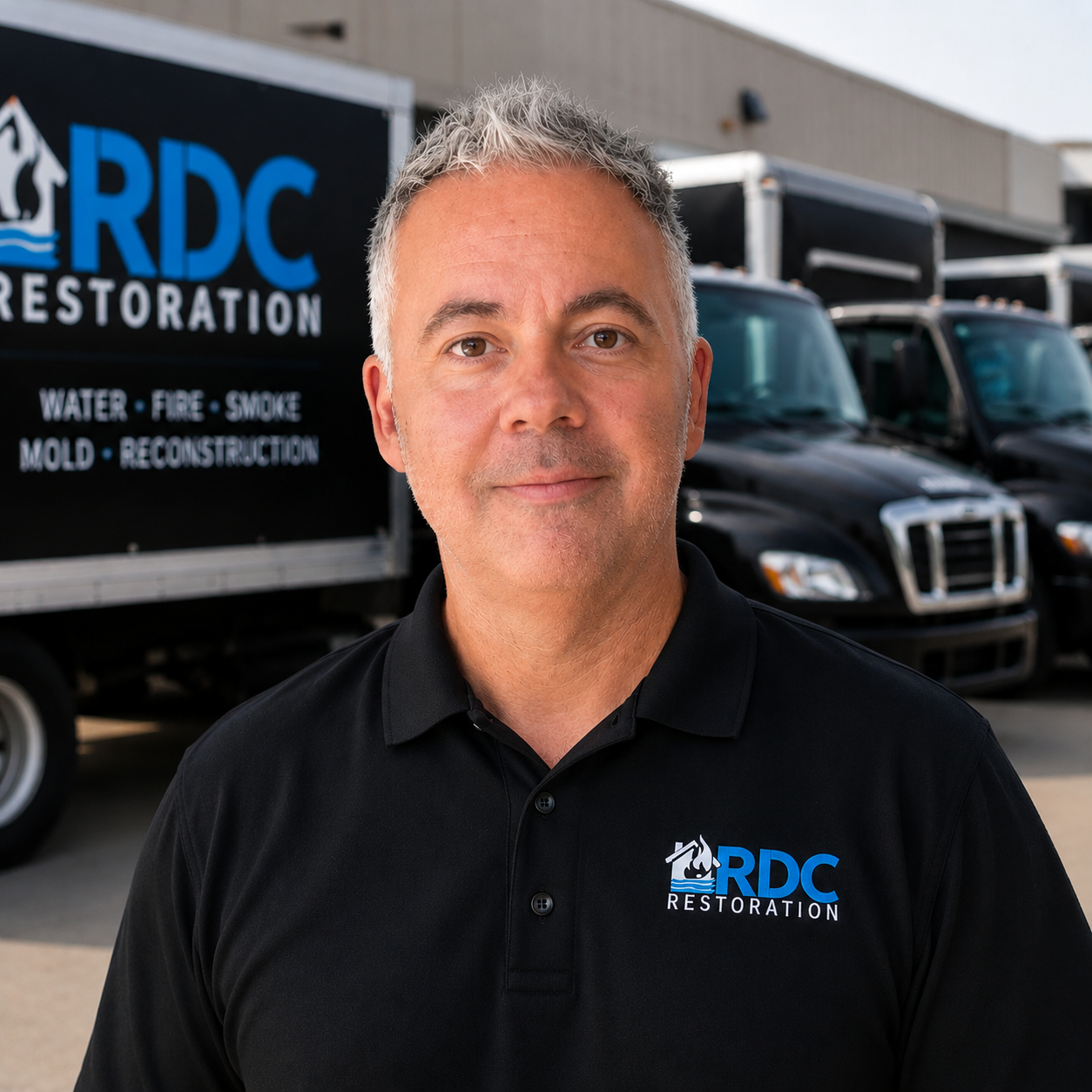
RDC Restoration has handled storm losses across New Jersey for 27+ years. Our IICRC-certified crews, also credentialed through NORMI and AHERA, cover Weehawken from our Berkeley Heights hub. We tarp roofs, board up openings, clear debris, pump out water and dry the building, following the same approach described on our main storm damage restoration page. Crews arrive with the tarps, pumps and drying equipment that storm damage restoration in Weehawken calls for on both the hilltop and the waterfront.
Our role ends where permanent repairs begin. We stabilize, dry and document the property, and your roofer or contractor handles new shingles, windows and framing. That clean handoff matters on storm claims, where adjusters want wind damage and water damage spelled out separately. We serve properties across the county too, from basements to high-rises, as part of our Hudson County water damage restoration work.
More on Storm Damage Restoration →
Local risks
Why Weehawken Takes Storms Differently Than Its Neighbors
Few New Jersey towns pack a cliff face, a ridge-top neighborhood and a tidal waterfront into such a small footprint. That geography means one storm can bring wind damage on the heights and flooding at the bottom of the hill at the same time.
Runoff Down the Palisades
Heavy rain does not soak into rock. It sheets down the cliff and the steep streets toward the river, overwhelming storm drains in the Shades and along Port Imperial. Ground-floor units, garages and basements at the bottom of the slope take the brunt.
Tidal Flooding and Surge
The waterfront strip below the cliffs sits close to river level. When a coastal storm lines up with high tide, surge can push water into parking garages, lobbies and mechanical rooms, carrying silt and contamination that take more than a simple pump-out.
Exposed Ridge-Top Roofs
Homes along Boulevard East and King's Bluff face open air across the Hudson. Nor'easter gusts lift shingles, peel flashing and crack older windows, and wind-driven rain finds every gap. A small roof opening can soak attic insulation and top-floor ceilings quickly.
Trees on Tight Lots
Mature trees around Hamilton Park and along residential blocks stand close to houses, porches and parked cars. Saturated soil and high wind bring down limbs and whole trees, punching through roofs and leaving openings that need tarping before the next band of rain.
Power Outages and Sump Pumps
Storms that knock out power also shut off sump pumps, right when groundwater and runoff are highest. Basements in older homes on the heights can flood even when the street looks fine, especially without a battery backup on the pump.
Summer Thunderstorms
Not every damaging storm has a name. Short, intense summer downpours can dump more water than the drains handle, flooding low streets and backing up into basements. Lightning and sudden downbursts add broken branches and blown-out windows to the mix.
Weehawken
Flood Cleanup in Weehawken Basements, Garages and Lobbies
Storm floodwater is not clean water. Runoff from the Palisades streets picks up oil, debris and whatever sits in the storm drains, and tidal surge brings river silt along with it. That puts most storm flooding in the contaminated category, which means porous materials such as carpet, padding and wet drywall near the floor often have to be removed rather than dried in place. Basement storage often holds more than people expect.
Our flood cleanup in Weehawken starts with pumping out standing water, then removing mud and affected materials, cleaning and sanitizing surfaces and drying the structure with commercial dehumidifiers and air movers. Moisture readings are logged daily until the building reaches dry standard. If water keeps finding your basement, our basement waterproofing service in Weehawken explains longer-term options. Our storm flooding cleanup guide covers what homeowners can safely do first.
- Pump-out of standing floodwater
- Removal of contaminated carpet and drywall
- Cleaning and sanitizing affected surfaces
- Daily moisture monitoring to dry standard
Weehawken
Emergency Roof Tarping in Weehawken After High Winds
Once a roof is open, every rain shower after the storm adds damage. Water runs through the attic, saturates insulation and comes through top-floor ceilings and light fixtures. On the ridge-top blocks, where wind keeps working at loose shingles, a hole that starts small can grow before a roofer is available to make permanent repairs. Chimneys and skylights on older homes are common entry points too.
Emergency roof tarping in Weehawken gives you a weather-tight cover in the meantime. Our crews secure heavy-duty tarps over the damaged section, fasten them to resist wind off the river and board up broken windows and doors at the same visit. We photograph the damage before and after tarping for your claim, then dry out any water that already got inside. The permanent roof repair is your roofer's job; ours is keeping the building dry and protected until then.
- Weather-tight tarps over roof openings
- Board-up for broken windows and doors
- Before-and-after photos for the adjuster
- Drying for attics and ceilings already wet
Weehawken
Fallen Tree Damage in Weehawken: Securing the Opening
When a tree or large limb comes down on a house, the damage goes beyond the roof. Branches break windows, crush gutters, push into siding and let rain into wall cavities. On Weehawken's tightly spaced blocks, a single fallen tree can damage two or three neighboring properties at once, and each owner will need separate documentation. Shared driveways and fences add to the cleanup.
Our response to fallen tree damage in Weehawken focuses on making the building safe and dry. Once a tree service removes the heavy wood, our crews clear storm debris and broken glass, tarp the roof, board up openings, then extract water and dry the interior. We photograph every stage so the wind claim is clear. Neighbors get the same help through our storm damage restoration in Hoboken, and properties to the south are covered by storm damage restoration in Jersey City.
- Debris and glass cleanup around openings
- Tarping and board-up after tree removal
- Interior water extraction and drying
- Separate documentation for each affected property
First steps
What to Do Right After a Storm Hits Weehawken
- Stay clear of hazards. Keep away from downed power lines, sagging ceilings and flooded rooms where outlets or appliances may be underwater. If water is near the electrical panel, wait for the utility or an electrician before going in.
- Shut off what you safely can. If you can reach them without wading through water, turn off the main water valve and the electricity to flooded areas. Move valuables, documents and electronics to a dry upper floor.
- Document before cleanup. Photograph roof damage from the ground, broken windows, fallen trees and every wet room. Note the date and the storm. Photos taken before anything is moved are the strongest support for a wind or flood claim.
- Call for emergency protection. Call RDC at (908) 253-9000 for 24/7 board-up, roof tarping and water extraction. Most policies expect owners to take reasonable steps to prevent further damage, and covering an open roof is exactly that.
- Notify your insurers. Report the loss to your homeowners or commercial carrier and, if water came from outside, to your flood insurer as well. Ask whether they want an adjuster visit before damaged materials are removed.
How we work
Our Storm Response Process in Weehawken
1. Emergency dispatch
Crews dispatch 24/7 with tarps, board-up materials and extraction equipment. In Weehawken, we plan around steep streets and waterfront access so equipment can reach both ridge-top homes and Port Imperial buildings.
2. Secure the envelope
Roof openings are tarped and broken windows and doors boarded so wind and rain stop getting in. Storm debris is cleared from work areas to make the site safe for the crew and for you.
3. Extract and remove
Pumps remove standing water from basements, garages and lower floors. Contaminated materials are removed and surfaces cleaned and sanitized, with each step photographed and logged for the claim.
4. Dry and monitor
Commercial dehumidifiers and air movers dry walls, floors and framing. Technicians check moisture readings daily and adjust equipment until every affected area reaches dry standard, which limits the chance of mold growth.
5. Document and hand off
We deliver photos, moisture logs and a scope of work to you and your adjuster. Permanent roof, window and framing repairs then go to your roofer or contractor, working from a dry, documented building.
Insurance
Wind vs. Flood: Storm Insurance in Weehawken
Storm claims in Weehawken often involve two separate policies. Standard homeowners and commercial property policies generally cover wind damage, such as a torn roof or a tree through a window, and the rain that enters through that opening. Rising water from surface runoff or tidal surge is generally excluded and falls under a separate flood policy, either through the National Flood Insurance Program or a private carrier. Properties along Port Imperial and in the Shades are where that line comes up most. Clear records make storm damage restoration in Weehawken easier to approve.
Because the same storm can cause both kinds of damage, RDC documents wind-driven water and floodwater separately, with photos, moisture maps and notes on where water entered. We bill carriers directly where possible. Our article on water damage vs. flood insurance in New Jersey explains the difference, and the National Weather Service posts local warnings before storms arrive.
Full-service restoration
Other RDC services in Weehawken
Water Damage Restoration
Water Damage Restoration in Weehawken →Burst Pipe & Winter Water Damage
Burst Pipe & Winter Water Damage in Weehawken →Mold Remediation
Mold Remediation in Weehawken →Mold Inspection & Testing
Mold Inspection & Testing in Weehawken →Basement Waterproofing
Basement Waterproofing in Weehawken →Fire & Smoke Damage
Fire & Smoke Damage in Weehawken →Commercial Restoration
Commercial Restoration in Weehawken →Sewage Cleanup
About Sewage Cleanup →Asbestos Testing & Abatement
About Asbestos Testing & Abatement →Hoarding Cleanup
About Hoarding Cleanup →Weehawken FAQs
Storm Damage in Weehawken: common questions
Does RDC remove trees that fall on a Weehawken house?
RDC clears storm debris, broken glass and damaged materials, but lifting a heavy tree off a roof is a job for a licensed tree service. Once the tree is off, we tarp the roof, board up openings, extract water and dry the interior. We can coordinate timing with your tree service so the building is covered as soon as the opening is clear.
My Port Imperial garage flooded. Is that a flood claim?
If the water came from rising surface water or tidal surge, it is usually a flood claim, which most standard property policies exclude. Condo associations along the waterfront often carry flood coverage for common areas like garages and lobbies. RDC documents where water entered and how high it rose, which helps your association and insurer sort out coverage.
Why did my basement flood when the street didn't?
On the heights, storms often knock out power, which stops sump pumps just as groundwater rises. Runoff from steep streets can also seep through foundation walls and floor joints in older homes. RDC pumps out the water and dries the basement, and our Weehawken water damage restoration team can help trace where it came in.
How long can an emergency roof tarp stay on?
A properly installed tarp protects the building until permanent repairs are made; it does not replace them. How long it holds depends on wind exposure and weather, and ridge-top homes facing the river take more wind than sheltered blocks. Plan to have your roofer schedule repairs promptly, and call us if the tarp loosens in the meantime.
Do you handle storm damage to Weehawken businesses?
Yes. Storm flooding in ground-floor retail, restaurants and office lobbies is a regular part of our work, and we plan drying around business hours where possible. Our commercial restoration in Weehawken page explains how we work with owners and property managers. If lightning sparks a fire, our fire and smoke damage cleanup crews take that side too.
Storm Damage in Weehawken? Call RDC Now
Open roof, broken windows or water in the basement? For storm damage restoration in Weehawken, crews dispatch 24/7 with tarps, board-up materials and pumps. Call (908) 253-9000.