
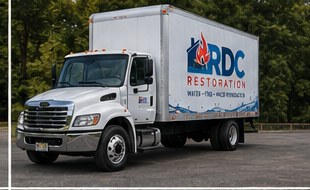
Piscataway, NJ · Middlesex County · Storm Damage
Storm Damage Restoration in Piscataway, NJ
RDC Restoration provides storm damage restoration in Piscataway for homes and businesses hit by nor'easters, tropical downpours and summer thunderstorms. From our Piscataway location, crews dispatch 24/7 to tarp roofs, board up broken windows, pump out flooded lower levels and dry the structure, then document every step for your insurer.
- Roof tarping 24/7
- Floodwater extraction
- Local Piscataway crews
- Claim-ready documentation
Quick answer
When a storm damages a Piscataway property, RDC Restoration sends crews 24/7 from our Piscataway hub to tarp roof openings, board up windows, extract floodwater, clear storm debris from the work area, and dry the structure with commercial equipment while logging moisture readings. We document the damage for your insurer and bill directly where possible. Call (908) 253-9000.
Storm Damage in Piscataway
Storm Damage Restoration in Piscataway Along the Raritan
Storm damage restoration in Piscataway often means two problems at once: wind tearing at the roof and water rising from below. The township sits on the north bank of the Raritan River, with Ambrose Brook and Bound Brook winding through its neighborhoods, so a heavy storm can drop a limb on a roof in Possumtown while low ground near River Road takes on water. Summer thunderstorms add their own risk, dumping intense rain faster than storm drains and sump pumps can handle.
RDC Restoration works storms from a location right here in Piscataway, which keeps crews close when Stelton Road and River Road are slowed by downed trees and ponding. Our IICRC-certified technicians, also NORMI and AHERA credentialed, tarp roof openings, board up broken windows and doors, extract standing water and dry the structure so the damage stops spreading. Being based in the township, we also know which streets near the brooks pond first and which older neighborhoods lose power when trees come down.
We are a mitigation company, not a builder. After the property is secured and dry, your own roofer or contractor takes over repairs, and we give them and your insurance adjuster photos, moisture logs and a written scope. Learn more about our full storm damage restoration services across New Jersey, or call (908) 253-9000 any time.
More on Storm Damage Restoration →
Local risks
What Storms Do to Piscataway Properties
Piscataway's mix of river frontage, brooks, mature trees and older lower-level living space shapes the damage we see after severe weather. These are the patterns that come up most often across the township when a nor'easter or thunderstorm rolls through.
River Road flooding
Properties along River Road and the low areas near the Raritan sit closest to rising water. When the river and its tributaries run high after prolonged rain, water can reach yards, garages and lower levels and carry mud and contaminants indoors.
Brook overflow in neighborhoods
Ambrose Brook and Bound Brook drain large parts of the township. Intense rain can push them over their banks or back up storm drains, flooding streets and basements on blocks that are nowhere near the river itself.
Mature trees over older homes
Established neighborhoods like Arbor and New Market have large shade trees planted when the homes were new. Saturated soil and high winds bring down limbs and whole trees onto roofs, decks, cars and power lines.
Wind-driven rain
Nor'easters push rain sideways for long stretches, forcing water past window frames, siding seams and worn flashing. The damage often shows up days later as stained ceilings or soft drywall below a window, well after the wind has died down.
Power loss and sump pumps
Piscataway's high water table keeps many sump pumps busy in an ordinary rain. When a storm knocks out power, those pumps stop at the worst moment. Our article on what to do when a sump pump fails in a storm covers the next steps.
Open roofs and broken windows
A torn section of shingles or a window broken by flying debris lets rain keep entering long after the storm passes. Covering openings promptly limits insulation, drywall and flooring damage, and most insurers expect owners to arrange it.
Piscataway
Flood Cleanup in Piscataway Basements and Lower Levels
Storm flooding here rarely stays in one place. Groundwater rises through slab cracks and foundation joints, surface water runs down driveways into garages, and overflowing brooks push muddy water into lower family rooms. Floodwater from outside is treated as contaminated, so carpet, pad and soaked drywall usually cannot simply be dried in place. In split-levels, the lower family room and laundry area take the worst of it, since they sit partly below grade on ground that is already wet.
Flood cleanup in Piscataway starts with pumping out standing water, removing unsalvageable materials and cleaning and sanitizing what remains. We then set air movers and dehumidifiers and log readings until walls and floors are dry, which keeps mold from taking hold. Contents that can be cleaned are moved out of the wet area first. If seepage keeps returning between storms, our page on basement waterproofing in Piscataway explains options for chronic water.
- Truck-mounted and submersible pumps
- Removal of contaminated carpet and drywall
- Cleaning and sanitizing
- Daily moisture readings until dry
Piscataway
Emergency Roof Tarping in Piscataway After Wind Damage
Wind does its worst damage at the edges of a roof, lifting shingles along rakes and ridges and peeling back flashing around chimneys and vents. On the older ranches and split-levels common in Piscataway, a single missing section can let rain run straight into attic insulation and down the inside of exterior walls. Wind-driven rain during a nor'easter can find the same gap again and again, so a small breach left uncovered tends to grow with each storm.
Emergency roof tarping in Piscataway covers those openings with heavy, secured tarps so the house stays dry until your roofer can make permanent repairs. Our crews also board up broken windows and doors, then check the attic and ceilings below for wet insulation and drywall that need drying. Nearby homeowners get the same service through storm damage restoration in Edison and storm damage restoration in New Brunswick.
- Secured tarps over roof openings
- Board-up for windows and doors
- Attic and ceiling moisture checks
- Photos of the opening for your roofer and insurer
Piscataway
Fallen Tree Damage in Piscataway Homes
A large limb through a roof is one of the most common calls after a Piscataway thunderstorm or nor'easter. The impact can crack rafters, break ceilings and open a hole that lets rain pour into bedrooms. Tree removal belongs to a tree service and structural repair belongs to a licensed contractor, but the water and debris inside the house need attention right away.
For fallen tree damage in Piscataway, RDC covers the opening, clears broken glass, insulation and storm debris from the work area inside, and dries the rooms that took on rain. We photograph the impact points and log moisture readings so your adjuster can separate wind damage from any later leaks. If the impact also cracked a window or door frame, we board it up so the house is secured overnight. Read more about how storm damage insurance claims work in New Jersey.
- Tarping and board-up at the impact area
- Interior glass and debris cleanup
- Drying of rain-soaked rooms
- Documentation for the roof and contents claims
First steps
What to Do First When a Storm Hits Your Piscataway Property
- Stay clear of downed lines. Treat every fallen wire as live and keep people and pets away from trees tangled in lines. Report outages and downed lines to the utility, and do not enter flooded rooms where water may touch outlets or appliances.
- Follow official warnings. Before and during a storm, check forecasts and flood warnings from the National Weather Service. If River Road or nearby low streets are flooding, do not drive through the water; wait for it to recede.
- Shut off power to wet areas. If it is safe to reach the panel without standing in water, turn off circuits serving a flooded basement or a room with a roof leak. When in doubt, wait for the utility or a licensed electrician to make it safe.
- Cover what you safely can. Move furniture and electronics away from leaks and set out buckets. Do not climb onto a wet or damaged roof. RDC crews arrive 24/7 with tarps and board-up materials for the openings you cannot safely reach.
- Document, then call. Photograph damage outside and inside, including water lines on walls and any fallen trees. Then call your insurer and RDC at (908) 253-9000 so drying and documentation for the storm damage restoration in Piscataway start right away.
How we work
Our Storm Response Process in Piscataway
1. Secure the openings
Crews tarp roof breaches and board up broken windows and doors so wind and rain stop getting in. Everything is photographed before work begins to preserve evidence for the claim.
2. Remove water and debris
Pumps and extractors pull standing water from basements, garages and lower levels, while storm debris, glass and ruined materials are cleared from the work area so drying can start safely.
3. Dry and monitor
Commercial air movers and dehumidifiers run until meters show walls, subfloors and framing are dry. Readings are logged daily, which matters in Piscataway homes where groundwater keeps lower levels damp.
4. Clean and guard against mold
Surfaces touched by floodwater are cleaned and sanitized. If mold has already started, our team for mold remediation in Piscataway follows NORMI-aligned practices to remove it before it spreads to clean areas.
5. Hand off to your contractor
When mitigation is complete, we provide photos, readings and a scope to your insurer and to the roofer or contractor you choose for repairs, so the next stage starts with accurate information.
Insurance
Flood vs. Wind: Storm Claims in Piscataway
Storm claims hinge on where the water came from. Standard homeowner policies generally cover wind damage, such as a roof torn open or a tree through a window, and the rain that enters through that opening. Rising floodwater from the Raritan, Ambrose Brook or overland runoff is usually excluded and falls under a separate flood policy. Sump pump backup may need its own endorsement. Policies differ, so check your declarations page or ask your agent which applies.
Because the source matters, RDC documents it carefully: where water entered, how high it rose, and which materials it reached. We bill carriers directly wherever possible and share our records with your adjuster, which keeps storm damage restoration in Piscataway moving while coverage questions are sorted out.
Nearby
Storm Damage across Middlesex County
See the Middlesex County service area, or another town nearby.
Full-service restoration
Other RDC services in Piscataway
Water Damage Restoration
Water Damage Restoration in Piscataway →Burst Pipe & Winter Water Damage
Burst Pipe & Winter Water Damage in Piscataway →Mold Remediation
Mold Remediation in Piscataway →Mold Inspection & Testing
Mold Inspection & Testing in Piscataway →Basement Waterproofing
Basement Waterproofing in Piscataway →Fire & Smoke Damage
Fire & Smoke Damage in Piscataway →Commercial Restoration
Commercial Restoration in Piscataway →Sewage Cleanup
About Sewage Cleanup →Asbestos Testing & Abatement
About Asbestos Testing & Abatement →Hoarding Cleanup
About Hoarding Cleanup →Piscataway FAQs
Storm Damage in Piscataway: common questions
Do you remove fallen trees from my roof?
RDC does not cut or haul trees; a licensed tree service handles that. Once the tree is off, or while the tree crew works, we tarp the opening, clean up glass and debris inside, and dry the rooms that took on rain. We can coordinate timing with the tree service so the house is covered as soon as possible.
Is flooding from the Raritan covered by my homeowners policy?
Usually not. Most standard homeowner policies exclude rising floodwater from rivers, brooks and overland runoff, which requires a separate flood policy. Rain that enters through storm damage to the roof or windows is generally treated differently. We document the water source and path so your adjuster can apply the right coverage to each part of the loss.
Can lightning during a storm cause fire damage too?
Yes. Lightning can ignite attics, damage wiring and start fires that leave smoke and soot behind. If a storm causes a fire, our crews handle that as well. See our page on fire damage restoration in Piscataway for how we clean soot, remove odor and dry the water used to put the fire out.
Do you respond to storm damage at Piscataway businesses?
Yes. Offices, stores, warehouses and apartment buildings take the same wind and water damage as houses, with added pressure to reopen. We tarp, board up, extract and dry commercial spaces, often in phases so part of the building stays usable. Our commercial restoration in Piscataway page covers how we work around business operations.
What areas around Piscataway do you cover after a storm?
Our Piscataway hub serves the township and the rest of the county; see our Middlesex County water damage services for more detail. Crews dispatch 24/7, and after a widespread storm we put open roofs, active leaks and standing water at the front of the line, then work through drying jobs across the township.
Storm Damage in Piscataway? We're On Call
Open roof, broken window or water in the basement? Call (908) 253-9000 and RDC dispatches a Piscataway crew 24/7 to secure the property and start drying.