
Sayreville, NJ · Middlesex County · Storm Damage
Storm Damage Restoration in Sayreville, NJ
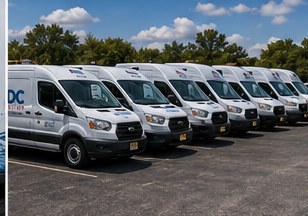
RDC Restoration handles storm damage restoration in Sayreville when nor'easters, tropical rain and summer thunderstorms hit the borough. IICRC-certified crews dispatch 24/7 from Piscataway to tarp roofs, board up broken windows, pump out floodwater, clear storm debris and dry the structure, from the Morgan waterfront to the neighborhoods of Parlin and Ernston.
- Emergency Roof Tarping
- 24/7 Storm Dispatch
- Flood Water Extraction
- Insurance Documentation
Quick answer
For storm damage restoration in Sayreville, NJ, RDC Restoration tarps open roofs, boards up broken windows and doors, extracts floodwater from basements and first floors, clears storm debris and dries the building to prevent mold. Crews dispatch 24/7 from our Piscataway hub, and we document the loss and bill your insurer directly. Call (908) 253-9000.
Storm Damage in Sayreville
Storm Damage Restoration in Sayreville Where Three Waters Meet
Storm damage restoration in Sayreville has a different shape than it does in an inland town. The borough wraps around the meeting point of the Raritan River, the South River and Raritan Bay, with Cheesequake Creek cutting through its southern edge. A strong onshore wind can push bay water up into low streets in Morgan while the same storm drops a tree through a roof in President Park. Both problems often land on the same night.
That means a single weather event can bring wind damage, rain intrusion, tidal flooding and groundwater seepage all at once. RDC Restoration has handled New Jersey storm losses for more than 27 years, and our Piscataway hub in Middlesex County sends crews to Sayreville around the clock. We secure the building first with tarps and plywood, then extract water, remove soaked materials and dry the structure with commercial air movers and dehumidifiers until moisture readings are back to normal.
We are a mitigation and cleanup company, so roof replacement, window installation and framing repairs belong to your contractor afterward. What we provide is a dry, stable, documented building and the paperwork that contractor and your adjuster need. If water reached the lowest level, see our basement waterproofing options in Sayreville for longer-term protection, and visit the main storm damage restoration page for everything we handle statewide.
More on Storm Damage Restoration →
Local risks
Why Sayreville Takes the Brunt of Coastal and River Storms
Sayreville is not on the ocean, but its waterfront geography behaves like a coastal town in a big storm. Tidal surge, river overflow, overloaded storm drains and high groundwater each add their own kind of water to a property already dealing with wind damage.
Tidal surge along Morgan
Nor'easters and tropical systems can drive Raritan Bay water into the low waterfront streets of Morgan. Surge water is salty and dirty, so flooded floors, drywall and insulation need to be removed and the space cleaned and dried, not just pumped out.
River overflow near the South River
Long rain events raise the South River and the Raritan at the same time. Homes along the South River border and other low ground can see water in basements and crawl spaces even when no water ever reaches the street in front of them.
Storm drains in the older sections
Heavy downpours overwhelm storm drains in the older parts of the borough, and water backs up into yards, driveways and window wells. Flash flooding from a slow summer thunderstorm can fill a basement faster than a sump pump can keep up.
Tall trees over older homes
Mature shade trees line many Sayreville streets. Saturated soil plus strong gusts brings down limbs and whole trees onto roofs, porches and cars, opening the house to rain until someone covers the hole. Leaning or cracked trees after one storm are often the ones that fall in the next.
Power outages and sump pumps
High groundwater keeps many Sayreville sump pumps busy even in dry weather. When a storm knocks out power, those pumps stop, and the basement floods from below while wind and rain work on the roof above.
Wind-driven rain
Gusts coming across open water push rain sideways under siding, around window frames and through attic vents. The leak may show up far from where the water entered, which is why we trace moisture with meters instead of guessing.
Sayreville
Flood Cleanup in Sayreville After Surge, Rain or River Water
Flood cleanup in Sayreville starts with figuring out what kind of water came in. Clean rainwater through a broken window is handled differently than bay surge in Morgan or river overflow near the South River, which can carry sewage, fuel and silt. Contaminated water means flooring, drywall and insulation it touched usually have to be removed, and the remaining surfaces cleaned and treated before drying begins.
Our crews pump out standing water, haul out ruined materials, clean the structure and set up drying equipment, then return to take moisture readings until the building is dry. In a lot of Sayreville basements the groundwater keeps pushing back, so drying can take longer than people expect. Our guide on what to do when a sump pump fails in a storm covers the steps you can take while you wait for a crew. Watching the National Weather Service forecast before a storm gives you time to move valuables upstairs.
- Water category assessment before cleanup
- Pumping and truck-mounted extraction
- Removal of contaminated flooring and drywall
- Cleaning, drying and daily moisture checks
Sayreville
Emergency Roof Tarping in Sayreville to Stop the Rain Coming In
Emergency roof tarping in Sayreville is often the first job after a nor'easter or a line of summer storms rolls in off the bay. Torn shingles, a lifted ridge cap or a branch through the sheathing can let rain pour into the attic and down through ceilings for days. A properly fastened tarp keeps the next round of weather out until your roofer can do the permanent work.
We also board up broken windows, damaged doors and holes in exterior walls so the house is weather-tight and secure. Tarping and board-up are part of your duty to prevent further loss under most policies, and we photograph the damage before and after so the adjuster can see what the storm did. Wet attic insulation and ceilings found during tarping are dried or removed as part of the same visit. Skylights and chimney flashing get checked too.
- Weather-tight tarps on damaged roof sections
- Plywood board-up for windows and doors
- Attic and ceiling moisture checks
- Before and after photos for the claim
Sayreville
Fallen Tree Damage in Sayreville Homes and Yards
Fallen tree damage in Sayreville usually arrives with a storm that has already soaked the ground. Mature oaks and maples on older lots can uproot or split, landing on roofs, porches, decks and vehicles. The impact itself is only part of the problem; the opening it leaves lets rain into attics, bedrooms and wall cavities for as long as the tree stays in place. Cars and fences in the yard are a separate claim.
Once the tree is cleared from the roof by a tree service, RDC covers the opening, removes broken glass and storm debris, and dries any rooms that took on water. We document the damage path from the roof deck down to the floor so your insurer sees the full loss, not just the hole. Structural and roofing repairs then go to your contractor with that record in hand. Fallen limbs on a garage or shed are handled the same way.
- Coordination with your tree service
- Tarping and board-up after removal
- Debris and glass cleanup
- Drying of rain-soaked rooms below the impact
First steps
What to Do First After a Storm Hits Your Sayreville Home
- Stay clear of downed lines. Assume any wire on the ground or tangled in a fallen tree is live. Keep family and pets away, and report it to the utility before anyone walks the yard or goes near the damaged part of the house.
- Shut off power to flooded areas. If water is rising in the basement and you can reach the panel safely from a dry spot, turn off the circuits for that level. If you cannot reach it safely, leave it to the utility or an electrician.
- Photograph everything. Before anything is moved, take photos and video of the roof, windows, fallen trees and every wet room. Those images, taken right after the storm, are the strongest evidence you will have when the claim is reviewed.
- Call for tarping and board-up. Call RDC at (908) 253-9000 to get openings covered. Our crews dispatch 24/7, and a tarp or plywood over a breach limits how much more water gets in during the next band of rain.
- Separate flood from wind damage. Make a note of where the water came from: through the roof, through a window or up from the ground. That distinction matters for coverage, so it helps to record it while the evidence is still visible.
How we work
Our Storm Response Process for Sayreville Properties
1. Secure the openings
Crews tarp roof breaches and board up broken windows and doors so wind and rain stop getting in. This first visit also protects the property from theft while you are staying elsewhere during the cleanup.
2. Inspect and map moisture
Technicians use moisture meters to trace where water traveled through ceilings, walls and floors, classify the water by its source, and photograph each area for your adjuster and for your contractor.
3. Extract and remove
Pumps and extractors remove standing water, and soaked carpet, pad, drywall and insulation that cannot be saved are cut out and hauled away along with storm debris and broken glass.
4. Dry and monitor
Commercial air movers and dehumidifiers dry framing, subfloors and basement walls. We return to check readings and adjust equipment until the building meets drying standards and mold risk is under control.
5. Document and hand off
You receive photos, moisture logs and a written scope of the mitigation work. Your roofer and general contractor take it from there, starting with an accurate record of what the storm actually did.
Insurance
Storm Insurance in Sayreville: Wind Coverage vs Flood Coverage
Most homeowners policies cover sudden storm damage from wind, hail, fallen trees and rain that enters through a storm-created opening. Rising water from bay surge, river overflow or surface flooding is a different matter and is usually covered only by a separate flood policy. In a waterfront borough like Sayreville, many storm claims involve both. Our article on water damage vs flood insurance in New Jersey explains how that split usually works.
RDC Restoration documents each source of water separately, with photos and moisture readings tied to specific rooms, so the adjusters for each policy can see their part of the loss. We bill your carrier directly wherever possible. If the storm also caused a fire through a lightning strike or electrical damage, our fire and smoke restoration crews in Sayreville work under the same file.
Nearby
Storm Damage across Middlesex County
See the Middlesex County service area, or another town nearby.
Full-service restoration
Other RDC services in Sayreville
Water Damage Restoration
Water Damage Restoration in Sayreville →Burst Pipe & Winter Water Damage
Burst Pipe & Winter Water Damage in Sayreville →Mold Remediation
Mold Remediation in Sayreville →Mold Inspection & Testing
Mold Inspection & Testing in Sayreville →Basement Waterproofing
Basement Waterproofing in Sayreville →Fire & Smoke Damage
Fire & Smoke Damage in Sayreville →Commercial Restoration
Commercial Restoration in Sayreville →Sewage Cleanup
About Sewage Cleanup →Asbestos Testing & Abatement
About Asbestos Testing & Abatement →Hoarding Cleanup
About Hoarding Cleanup →Sayreville FAQs
Storm Damage in Sayreville: common questions
Do you clean up after tidal flooding in Morgan and other low areas?
Yes. Surge and river water is treated as contaminated, so we remove affected flooring, drywall and insulation, clean and sanitize the remaining structure, and then dry it. Low-lying sections of Sayreville can flood more than once in a season, so we also point out materials and contents that are better stored off the floor going forward.
My basement flooded when the power went out. Is that storm damage?
It depends on your policy. A sump pump that stops during an outage is often covered only under a specific water backup endorsement. We extract and dry the basement either way, and document the cause clearly. For winter outages and frozen pipes, our burst pipe water damage team in Sayreville handles the cold-weather side.
Can you remove the tree from my roof?
RDC is not a tree service. A licensed tree company or arborist removes the tree, and our crew covers the opening, clears debris and dries the house once the roof is clear. We can coordinate timing with the tree crew so the house is not left open to weather any longer than necessary.
Do you respond to storms in neighboring towns?
Yes. Crews from our Piscataway hub cover the region, including storm damage restoration in New Brunswick and storm damage restoration in Piscataway. During widespread storms we also handle water damage restoration across Middlesex County for homes and businesses on both sides of the Raritan. The same documentation standards apply in every town we serve.
How do I keep mold from growing after a storm?
Moisture is the trigger, so fast extraction and thorough drying are the best prevention. We monitor readings until materials are dry, not just until they feel dry. If you see or smell mold after the fact, our water damage restoration crews in Sayreville can assess the space and recommend the right next step.
Storm Damage in Sayreville? We Dispatch 24/7
Call RDC for storm damage restoration in Sayreville: emergency roof tarping, board-up, flood cleanup and drying, documented for your insurance claim. Call (908) 253-9000.