Plainfield, NJ · Union County · Storm Damage
Storm Damage Restoration in Plainfield, NJ
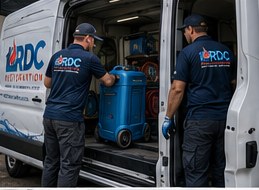
RDC Restoration handles storm damage restoration in Plainfield when nor'easters, tropical downpours and summer thunderstorms hit the city. We tarp torn roofs, board up broken windows, pump out flooded basements near the Green Brook and dry the structure, with IICRC-certified crews dispatching 24/7 from Berkeley Heights.
- Emergency roof tarping
- Board-up 24/7
- Floodwater extraction
- Insurance documentation
Quick answer
For storm damage restoration in Plainfield, NJ, RDC Restoration dispatches crews 24/7 to tarp damaged roofs, board up broken windows and doors, clear storm debris, extract floodwater and dry the structure to IICRC standards. We photograph and document the loss for your insurer and bill your carrier directly wherever possible. Call (908) 253-9000 day or night.
Storm Damage in Plainfield
Storm Damage Restoration in Plainfield Where the Watchung Runoff Meets the Green Brook
Plainfield sits at the foot of the Watchung foothills, and that geography drives most of the calls we get for storm damage restoration in Plainfield. Heavy rain runs down the slopes, collects in low streets and yards, and the Green Brook can rise fast along the city's southern edge. Wind adds its own damage, especially in neighborhoods lined with large, mature shade trees, and many homes here are old enough that their roofs, windows and foundations have already weathered generations of storms.
RDC Restoration has spent 27+ years responding to New Jersey storms, from tropical remnants that stall over Union County to nor'easters that drive rain sideways into siding and window frames. Our crews carry tarps, plywood, pumps and drying equipment, so the first visit can close up the house and start removing water. The full range of services is outlined on our storm damage restoration page.
We focus on the emergency and the drying. Once the roof is covered, openings are secured and the structure is dry, the permanent roof, window and framing work goes to your own contractor. RDC gives you and your insurer a clear record of what the storm did, room by room, so that work starts from accurate information. Ice storms and deep freezes bring their own problems, covered on our Plainfield burst pipe and winter water damage page.
More on Storm Damage Restoration →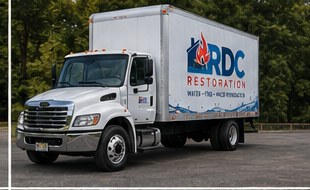
Local risks
What Makes Plainfield Vulnerable When Storms Roll In
Every New Jersey town gets storms, but Plainfield's mix of low-lying streets, a flood-prone brook, big old trees and century-old houses creates a specific pattern of damage. These are the risks our crews plan for on every Plainfield storm call.
Green Brook flash flooding
The Green Brook is known for rising quickly in heavy rain. When it overflows, water reaches nearby streets and basements with little warning, often carrying mud and debris that turn a simple pump-out into a contaminated cleanup.
Runoff from the slopes
Rain falling on the Watchung foothills flows downhill into Plainfield, and storm drains can back up during a downpour. Low-lying blocks collect that runoff, and water pools against foundations until it finds a way in through cracks, window wells and basement doors.
Stone and brick foundations
Many Victorian homes in the Van Wyck Brooks Historic District rest on stone or brick foundations. Mortar joints that have aged for generations let water seep through during long rains, wetting stored items and finished basement rooms.
Mature trees over old roofs
Streets in Sleepy Hollow and the Crescent Area are shaded by tall, old trees. High winds snap limbs onto roofs, porches and cars, and a single heavy branch can open a roof deck to the next band of rain.
Power outages and sump pumps
Summer thunderstorms and tropical systems often knock out power, so it pays to watch National Weather Service alerts. When the electricity goes, sump pumps stop, and basements that stay dry most of the year can fill while the storm is still passing over. A battery backup buys time.
Wind-driven rain
Nor'easters push rain sideways for long stretches. Older wood windows, decorative trim and porch roofs on Plainfield homes let water work behind siding and into wall cavities, where it stays hidden until stains appear inside.
Plainfield
Flood Cleanup in Plainfield After the Green Brook Overflows
Flood cleanup in Plainfield is different from drying out a burst pipe. Water that comes from the Green Brook or from street runoff is considered contaminated, so it carries silt, sewage and chemicals into the house. In Plainfield, that water often reaches finished basements and ground-floor rooms. Carpet, pad, insulation and the lower portion of drywall that sat in that water usually have to be removed, and every surface it touched has to be cleaned and sanitized before drying begins.
RDC uses truck-mounted and submersible pumps to remove standing water, then sets commercial air movers and dehumidifiers and checks moisture readings daily. Stone foundation walls and old plaster hold water longer than modern materials, so we monitor until they reach normal levels. For homes that flood repeatedly, our basement waterproofing team in Plainfield can look at drainage and sump options once the cleanup is done.
- Contaminated water handled with sanitizing protocols
- Removal of soaked carpet, pad and insulation
- Daily moisture checks until materials are dry
- Sump and drainage follow-up when flooding repeats
Plainfield
Emergency Roof Tarping in Plainfield for Slate, Shingle and Flat Roofs
Plainfield's housing stock includes steep Victorian roofs with turrets and dormers, slate and older asphalt shingles, and flat roofs on commercial buildings downtown. When wind lifts shingles or a branch punctures the deck, emergency roof tarping in Plainfield keeps the next round of rain out of the attic and ceilings below. Without it, a small breach can soak insulation, plaster ceilings and wiring two floors down.
Our crews secure heavy-duty tarps over the damaged area and fasten them so they hold through the rest of the storm. Broken windows, doors and wall openings get plywood board-up at the same visit. Tarping is a temporary measure: your roofer handles the permanent fix, and our photos and notes help them and your adjuster understand what failed. If the storm also caused a fire, such as from a lightning strike or downed line, our Plainfield fire and smoke restoration crew can work the same site.
- Tarps fastened to hold through continued weather
- Plywood board-up for windows and doors
- Interior water removed from ceilings and attics
- Photo documentation for your roofer and insurer
Plainfield
Fallen Tree Damage in Plainfield's Tree-Lined Neighborhoods
Fallen tree damage in Plainfield is most common in the older neighborhoods, where big trees stand close to houses, garages and porches. A trunk or limb on the roof creates two problems at once: the impact itself and the opening it leaves for rain. Downed lines may also be involved, so safety comes first.
RDC works around the debris to secure the property. We clear broken glass, damaged materials and storm debris from inside the house, tarp or board up the openings, and remove any water that came in before the tree was moved. Large tree removal from the roof is often handled by a tree service, and we coordinate with them so the opening is covered as soon as the weight is off. Everything is photographed before and after for your claim, and the structural repair work goes to your contractor.
- Call the utility first if lines are down
- Interior debris and glass cleared safely
- Openings covered once the tree is lifted
- Before-and-after photos for the claim
First steps
First Moves for Plainfield Homeowners After a Storm
- Stay clear of downed wires. Treat every fallen wire as live and report it to the utility. Keep children and pets out of yards where trees and lines came down, and avoid flooded basements where water may touch outlets or appliances.
- Photograph everything first. Before moving debris or water, take photos and video of the roof, windows, yard and every wet room. Plainfield adjusters see many claims after a big storm, and early pictures make your claim easier to approve.
- Call for tarping and board-up. Call RDC at (908) 253-9000 to cover roof openings and secure broken windows and doors. Covering openings quickly prevents more rain from soaking ceilings and insulation, which most policies expect you to do.
- Check the sump pump. If power is back, make sure the sump pump is running and the discharge line is clear. If the basement is filling faster than the pump can keep up, shut off power to that area and call for extraction.
- Separate flood from wind damage. Note where water came in: through the roof or a broken window, or up from the ground and the brook. Insurers treat these differently, and knowing the source helps your agent tell you which policy applies.
How we work
The RDC Storm Response for Plainfield Properties
1. Secure the openings
Crews arrive with tarps, plywood and fasteners to close roof breaches, broken windows and damaged doors. Keeping weather and intruders out is the first job on every Plainfield storm call, before any drying starts.
2. Remove water and debris
Pumps and extractors pull standing water from basements and floors, while crews clear glass, branches and ruined materials from inside. Contaminated floodwater is handled with protective gear and sanitizing steps.
3. Dry the structure
Commercial air movers and dehumidifiers are placed through affected rooms, and moisture is measured daily in walls, floors and framing. Drying continues until readings return to normal for each material.
4. Prevent mold
Wet areas are cleaned and treated to keep mold from taking hold, especially in basements with stone walls. If growth is already present, mold remediation follows containment and removal standards.
5. Document and hand off
We deliver photos, moisture logs and a scope of affected materials to you and your insurer. Your roofer and contractor then handle the permanent work with a clear picture of what the storm damaged.
Insurance
Flood Versus Wind: Storm Claims in Plainfield
How a storm claim is paid depends on how the water got in. Damage from wind, falling trees and rain entering through a storm-created opening is usually covered by a standard homeowner policy. Water that rises from the ground, overflows the Green Brook or flows in from the street is generally considered flood, which standard policies exclude and a separate flood policy covers. Our guide to water damage versus flood insurance in New Jersey explains the difference in plain terms.
RDC documents the source of water, the path it took and every affected material, then bills your carrier directly wherever possible. That detail helps adjusters sort a mixed loss, like a home with a torn roof and a flooded basement in the same storm. Storm damage restoration in Plainfield rarely fits neatly into one category, so careful records matter.
Full-service restoration
Other RDC services in Plainfield
Water Damage Restoration
Water Damage Restoration in Plainfield →Burst Pipe & Winter Water Damage
Burst Pipe & Winter Water Damage in Plainfield →Mold Remediation
Mold Remediation in Plainfield →Mold Inspection & Testing
Mold Inspection & Testing in Plainfield →Basement Waterproofing
Basement Waterproofing in Plainfield →Fire & Smoke Damage
Fire & Smoke Damage in Plainfield →Commercial Restoration
Commercial Restoration in Plainfield →Sewage Cleanup
About Sewage Cleanup →Asbestos Testing & Abatement
About Asbestos Testing & Abatement →Hoarding Cleanup
About Hoarding Cleanup →Plainfield FAQs
Storm Damage in Plainfield: common questions
My basement flooded when the power went out. Is that storm damage?
It is storm-related, but coverage depends on your policy. A sump pump failure from a power outage is often covered only if you have a sump pump or water backup endorsement. RDC extracts the water and dries the basement either way, and our article on what to do when a sump pump fails in a storm covers next steps.
Can you tarp a slate roof on an older Plainfield house?
Yes. Slate needs careful handling because walking on it can crack more tiles. Our crews secure the tarp to limit foot traffic on intact slate and cover the damaged area firmly. The permanent slate work then goes to a roofer who specializes in it, and our photos show them exactly where the damage is.
Do you remove the tree from my roof?
RDC is not a tree service. When a large tree or limb is on the house, a tree company typically lifts it off. We coordinate timing so our crew can tarp or board up the opening as soon as the weight is removed, then clean up interior debris and extract any water that came through.
How do you handle flooding from the Green Brook?
Water from the brook or from street runoff is treated as contaminated. We remove it with pumps, take out porous materials it soaked, clean and sanitize surfaces, then dry the structure while monitoring moisture daily. Stone and brick foundations common in Plainfield are monitored closely because they release water slowly.
Do you also cover the towns around Plainfield?
Yes. The Berkeley Heights hub covers Plainfield and nearby communities, and we provide storm damage restoration in Westfield and storm damage restoration in Elizabeth as well. For water damage restoration across the region, see our Union County water damage restoration page. Plainfield storm calls are answered 24/7, including weekends and holidays.
Storm Damage in Plainfield? Call RDC
Roof open, windows broken or basement flooded? Call (908) 253-9000. RDC crews dispatch 24/7 across Plainfield to tarp, board up and dry out your property.