
Springfield, NJ · Union County · Storm Damage
Storm Damage Restoration in Springfield, NJ
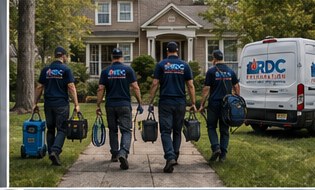
RDC Restoration provides storm damage restoration in Springfield for homes and businesses hit by nor'easters, tropical remnants and summer thunderstorms. Our Berkeley Heights crews tarp torn roofs, board up broken windows, clear storm debris and pump out flooded basements 24/7, then dry the structure and document everything for your insurance claim.
- Emergency roof tarping
- 24/7 storm dispatch
- IICRC-certified drying
- Insurance documentation
Quick answer
For storm damage restoration in Springfield, NJ, RDC Restoration dispatches crews 24/7 from its Berkeley Heights hub to tarp damaged roofs, board up windows and doors, clear fallen branches and debris, extract floodwater from basements and dry the structure with commercial equipment. RDC photographs the damage, separates wind and flood losses for your adjuster and bills insurance directly. Call (908) 253-9000.
Storm Damage in Springfield
Storm Damage Restoration in Springfield, From the Rahway River to Baltusrol
Storm damage restoration in Springfield often means dealing with two kinds of trouble at once. The Rahway River and its tributaries wind through the township's lower neighborhoods, so heavy rain can send water into basements near the river and along streets where older storm drains back up. Farther west toward Baltusrol, the bigger threat is usually wind: tall oaks and maples that have shaded these lots for generations can drop limbs on roofs, cars and power lines.
Between the mature tree canopy and the many finished basements in town, one storm can open a roof upstairs and leave standing water downstairs in the same house. RDC Restoration crews arrive with tarps, plywood, pumps and drying equipment so both problems are handled on the same visit. The complete list of storm services is on our main storm damage restoration page. Garages and sunrooms added onto older houses are common weak points, since their roofs and seals often age differently than the main house.
We have served New Jersey for more than 27 years with IICRC-certified technicians, and Springfield is covered from our Berkeley Heights hub. The rest of our county coverage is listed on the Union County water damage restoration page. Businesses along Morris Avenue and Route 22 can also read about our commercial restoration services in Springfield, which add after-hours scheduling and tenant coordination.
More on Storm Damage Restoration →
Local risks
Storm Risks That Hit Springfield Properties Hardest
Springfield sits where river flooding, heavy tree cover and older homes overlap. The storms that bring the most calls here combine wind and water, and the damage tends to show up in a few predictable places across the township. Knowing them helps you check the right spots after the weather clears.
Nor'easters
Long nor'easters bring hours of wind-driven rain from the northeast. Water gets pushed under shingles, around older window frames and through attic vents, so ceilings and exterior walls can stain days later even when the roof looks fine from the street.
Tropical remnants
When the remains of a hurricane or tropical storm stall over northern New Jersey, the Rahway River and local brooks can rise quickly. Basements in low-lying sections of Springfield take on water through floor cracks, window wells and floor drains.
Summer thunderstorms
Short, violent summer storms dump rain faster than gutters and storm drains can carry it. Overflowing gutters spill against foundations, and flash flooding in the street can push water into garages and lower-level family rooms.
Falling trees and limbs
Springfield's older neighborhoods have large shade trees growing close to houses. High winds can snap limbs or uproot whole trees, puncturing roofs, crushing gutters and shattering windows, which leaves the interior open to rain until the opening is covered.
Power loss and sump pumps
Storms that knock out power also stop sump pumps. In homes that rely on a pump to keep the basement dry, groundwater can rise during an outage and flood finished spaces before the electricity comes back.
Flat roofs on Route 22
Flat commercial roofs and wide storefront glass along Route 22 and Morris Avenue take the brunt of wind and heavy rain. A torn membrane or a broken display window can let water into stock, offices and ceiling tiles overnight.
Springfield
Flood Cleanup in Springfield Basements and Lower Levels
Flood cleanup in Springfield usually happens in the basement. Houses near the Rahway River and on the township's lower streets often have finished lower levels with carpet, drywall and storage, and floodwater coming in from outside is treated as contaminated. Our crews pump out standing water, remove soaked carpet, pad and drywall that cannot be dried safely, and clean and sanitize the surfaces that remain. Stored belongings are moved to dry areas and photographed.
Drying follows the IICRC water-damage approach: commercial air movers and dehumidifiers run while technicians take moisture readings until materials return to normal levels. That step is what keeps mold from starting inside wall cavities. Our storm flooding cleanup guide covers what homeowners can safely do before a crew arrives. If an earlier flood left a musty smell behind, our mold remediation team in Springfield can take care of it.
- Pumping out standing floodwater
- Removal of soaked carpet, pad and drywall
- Cleaning and sanitizing affected surfaces
- Structural drying with moisture readings each visit
Springfield
Emergency Roof Tarping in Springfield After Wind Damage
Emergency roof tarping in Springfield keeps a damaged roof from turning a storm into a much bigger interior loss. When wind peels back shingles or a limb punches through the roof deck, every rain shower afterward adds water to the attic insulation, ceilings and walls below. Our crews secure heavy-duty tarps over the opening and fasten them so they hold through the next round of weather.
A tarp is a temporary cover, not a roof repair. Once the opening is covered, we dry the attic and the rooms below, remove wet insulation where needed, and photograph the damage for your adjuster and the roofer you hire. Our article on roof leaks and the water damage they cause lists what to watch for in ceilings after a storm. Broken windows and doors get the same quick treatment with plywood board-up. Skylights and chimney flashing torn loose by wind are covered the same way.
- Weather-tight tarps over roof openings
- Board-up of broken windows and doors
- Attic and ceiling drying below the opening
- Photos for your adjuster and your roofer
Springfield
Fallen Tree Damage in Springfield Homes and Yards
Fallen tree damage in Springfield is common after strong storms because so many homes sit under large, older trees. A trunk or heavy limb on the house can break rafters, crush gutters, shatter windows and pull down service lines. Stay away from any downed wire and call the utility first. Once the area is safe, our crews clear storm debris and broken glass, then cover the openings the tree left behind.
Removing a tree from a roof may need a tree service with lifting equipment, and structural repairs belong to your contractor. RDC handles what happens inside: water that came in through the opening, wet insulation and drywall, and the drying needed to stop mold. We also respond in neighboring towns, including storm damage restoration in Cranford and storm damage restoration in Berkeley Heights, so our crews know how these storms move through the area.
- Debris and broken glass cleanup
- Tarping and board-up of tree openings
- Drying of wet attics, ceilings and walls
- Documentation for tree, roof and contents claims
First steps
What Springfield Homeowners Should Do Right After a Storm
- Stay clear of downed lines. Treat every fallen wire as live and report it to the utility. Do not walk into a flooded basement if the electrical panel or outlets may be underwater, and keep children and pets away from damaged trees.
- Check the basement and sump. Look at the sump pump and basement floor as soon as it is safe. If the power is out and the pump has stopped, water can keep rising, so a battery backup or generator-powered pump may limit the damage.
- Photograph before cleanup. Take wide and close photos of the roof, windows, fallen trees, water lines on walls and damaged belongings. Insurers want to see the damage as the storm left it, before anything is moved or thrown out.
- Protect what you safely can. Move furniture and boxes away from leaks and set buckets under drips. Do not climb onto a wet or damaged roof; tarping a roof safely takes proper equipment and fall protection. Leave that work to a crew.
- Call for 24/7 help. Call RDC at (908) 253-9000 for tarping, board-up, water extraction and drying. Our crews dispatch 24/7 from Berkeley Heights and document the damage as they work, which gives your claim a clean start.
How we work
Our Storm Response Process for Springfield Properties
1. Secure openings
Crews tarp roof breaches and board up broken windows and doors to stop more rain and wind from getting inside. The exterior and every affected room are photographed before work begins.
2. Clear debris
Branches, broken glass, ruined materials and other storm debris are cleared from the work areas so the interior can be assessed and the crew can work safely around the property.
3. Extract water
Truck-mounted and submersible pumps remove standing water from basements and lower levels. Wet carpet, pad and drywall that cannot be saved are removed and listed in the documentation. Belongings are moved out of harm's way.
4. Dry and monitor
Commercial air movers and dehumidifiers dry the structure to IICRC standards. Technicians record moisture readings on each visit until the materials are dry and the risk of mold is under control.
5. Document and hand off
You receive photos, moisture logs and a written scope of the mitigation work. Your insurer and the roofer or contractor you hire for repairs all start from the same record.
Insurance
Flood vs. Wind Coverage for Springfield Storm Claims
Most homeowners policies cover sudden wind damage, such as a torn roof, a tree through the ceiling or rain that enters through a storm-created opening. Rising floodwater that comes in from outside is different: it generally requires a separate flood policy through the National Flood Insurance Program or a private carrier. Homeowners near the Rahway River should confirm which coverage they carry well before storm season.
Because one storm often causes both kinds of loss, we document them separately: roof and window openings, interior water from those openings, and surface or groundwater flooding in the basement. RDC Restoration bills insurance directly wherever possible during storm damage restoration in Springfield. The National Weather Service posts local watches and warnings so you can prepare before weather arrives. When a hard freeze follows a storm, our page on burst pipe water damage in Springfield covers the winter side.
Full-service restoration
Other RDC services in Springfield
Water Damage Restoration
About Water Damage Restoration →Burst Pipe & Winter Water Damage
Burst Pipe & Winter Water Damage in Springfield →Mold Remediation
Mold Remediation in Springfield →Mold Inspection & Testing
Mold Inspection & Testing in Springfield →Basement Waterproofing
About Basement Waterproofing →Fire & Smoke Damage
Fire & Smoke Damage in Springfield →Commercial Restoration
Commercial Restoration in Springfield →Sewage Cleanup
About Sewage Cleanup →Asbestos Testing & Abatement
About Asbestos Testing & Abatement →Hoarding Cleanup
About Hoarding Cleanup →Springfield FAQs
Storm Damage in Springfield: common questions
Does RDC remove the fallen tree from my roof?
A large tree resting on a house usually needs a tree service with lifting equipment, and we recommend calling one right away. RDC clears debris and broken glass, tarps and boards the opening once the tree is off, and dries the water that came inside. We photograph each step so the tree removal, roof damage and interior damage are documented together for your claim.
My sump pump stopped when the power went out. Is that storm damage?
It depends on your policy. Many homeowners policies need a separate water backup or sump overflow endorsement to cover a basement that flooded because a pump lost power. Check your declarations page or ask your agent. Either way, RDC can pump out the water, dry the basement and record the cause so your adjuster has what they need.
Can lightning from a storm cause fire damage too?
Yes. Lightning can ignite attics, damage wiring and start fires that smolder before anyone notices. When a storm leads to a fire, soot and smoke odor become part of the loss alongside wind and water. Our fire and smoke damage restoration team in Springfield handles that cleanup, and the same visit can include tarping and board-up.
How long does it take to dry a flooded Springfield basement?
Drying time depends on how much water came in, how long it sat and which materials got wet. Concrete, framing and drywall dry at different rates, so we take moisture readings on every visit and keep the equipment running until materials reach normal levels. Pulling wet carpet and pad early usually shortens the job and lowers the risk of mold.
Should I wait until the storm is over to call?
Call as soon as you notice damage, even if it is still raining. RDC answers (908) 253-9000 24/7 and schedules a crew to tarp, board up or begin extraction once conditions are safe to work. Calling early also gets your property on the list during widespread storms, when many homes in Springfield and nearby towns need help at the same time.
Storm Damage in Springfield? We Answer 24/7
Call (908) 253-9000 for roof tarping, board-up, flood cleanup and drying. RDC Restoration crews dispatch around the clock from our Berkeley Heights hub to Springfield homes and businesses.