Hackensack, NJ · Bergen County · Storm Damage
Storm Damage Restoration in Hackensack, NJ
RDC Restoration handles storm damage restoration in Hackensack when wind, rain or river flooding gets inside. IICRC-certified crews tarp torn roofs, board up broken windows, clear storm debris and extract floodwater from basements near the Hackensack River, then dry the structure and document the loss for your insurer, with crews dispatched 24/7.
- 24/7 Roof Tarping
- Emergency Board-Up
- Floodwater Extraction
- IICRC-Certified Crews
Quick answer
After a storm in Hackensack, NJ, RDC Restoration secures the property with emergency roof tarping and board-up, removes fallen branches and debris, pumps out floodwater, and dries the building with commercial air movers and dehumidifiers to prevent mold. Crews dispatch 24/7 from the Berkeley Heights hub, and RDC bills insurers directly. Call (908) 253-9000 for help.
Storm Damage in Hackensack
Storm damage restoration in Hackensack for river-town weather
Storm damage restoration in Hackensack means dealing with two problems at once: wind that opens a building up and water that finds its way in. RDC Restoration covers the openings with tarps and board-up, clears debris, and pulls water out of floors and basements before it soaks deeper into the structure. Every storm job we handle is photographed and logged so your claim has the evidence adjusters ask for.
Hackensack's location makes heavy weather harder. The tidal Hackensack River runs along the city, and its low-lying riverfront blocks can flood when heavy rain lines up with high tide or storm surge. Away from the water's edge, aging combined sewer lines downtown can back up during prolonged storms, sending water into older basements near Main Street and the First Ward. Water in those basements is often contaminated and needs careful, sanitary cleanup.
Mature street trees in The Heights and Fairmount, many planted generations ago, add another risk when nor'easter winds or summer thunderstorms bring limbs down onto roofs and porches. Our crews tarp, board up, extract and dry; your roofer, tree service or general contractor handles permanent repairs afterward. When the water came from a plumbing leak rather than the sky, see our page on water damage restoration in Hackensack, or read about our full storm damage restoration service across New Jersey.
More on Storm Damage Restoration →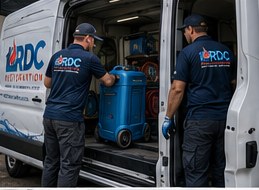
Local risks
Why Hackensack storms do more than knock down branches
Hackensack's mix of riverfront lowlands, old basements and tree-lined residential streets means one storm can cause wind, flood and sewer problems on the same block. Knowing which risk applies to your property helps you act quickly and file the right claim.
Nor'easters
Long nor'easters bring days of wind-driven rain and onshore pressure that keeps tides high in the river. Water gets in around older window frames and flashing, and low basements take on groundwater. We dry walls, floors and contents before mold starts.
Tropical storm remnants
Hurricanes that weaken before reaching North Jersey can still drop heavy rain across Bergen County in a short window. Storm drains back up, streets pond and basements flood. Our crews pump water out and set drying equipment as soon as conditions are safe.
Summer thunderstorms
Fast-moving summer storms deliver bursts of rain, hail and damaging gusts. In dense neighborhoods like Fairmount, a single downed limb can puncture a roof or shatter a window. Crews come with tarps and board-up materials to close the opening and stop the rain.
Combined sewer backups
Older parts of downtown Hackensack rely on combined sewer lines that carry both stormwater and sewage. Prolonged rain can overwhelm them and push contaminated water up through floor drains. That water requires extraction, disinfection and careful handling under sanitation protocols.
Power outages and sump pumps
When storms knock out power, sump pumps stop just when groundwater is highest. Basements that stay dry most of the year can flood overnight. A battery backup helps, and our basement waterproofing service in Hackensack addresses the underlying seepage.
Wind-driven rain
Strong gusts push rain sideways under shingles, through siding seams and around brick rowhouse windows. The leak may show up far from where water entered, so we use moisture meters to trace it inside walls and ceilings before drying begins.
Hackensack
Getting flood cleanup in Hackensack right near the river and downtown
Floodwater is rarely clean. Water that comes up from the river, streets or storm drains can carry sewage, fuel and debris, so flood cleanup in Hackensack starts with classifying the water and protecting the people in the building. Our crews extract standing water with truck-mounted and submersible pumps, remove soaked materials that cannot be dried, and sanitize affected surfaces, including floor drains.
Riverfront blocks and older downtown basements tend to stay damp longer because groundwater sits high after a storm. We set air movers and dehumidifiers, take moisture readings every day and keep drying until the numbers reach target. Contents that can be saved are moved, protected and listed for your adjuster. Our step-by-step storm flooding cleanup guide explains what to expect at each stage. Neighbors in Teaneck can find the same help through our storm damage restoration in Teaneck page.
- Water classified before cleanup begins
- Truck-mounted and submersible extraction
- Sanitizing after contaminated water
- Daily moisture readings until dry
Hackensack
When you need emergency roof tarping in Hackensack
A torn section of shingles or a hole from a fallen limb lets rain keep pouring in long after the storm moves on. Emergency roof tarping in Hackensack covers that opening with heavy-duty tarps secured over the damaged area so the attic, ceilings and insulation stop taking on water. Interior water is extracted and drying starts on the same visit, so wet ceilings and insulation are not left sitting.
Hackensack's roofs range from steep gables on early twentieth-century frame houses to flat roofs on downtown commercial buildings and apartment blocks, and each needs a different tarping approach. We also board up broken windows and doors to keep weather and intruders out. Tarping is temporary protection: a licensed roofer makes the permanent repair, and our photos and notes help that roofer and your insurer see exactly what happened. Read more on how roof leaks turn into interior water damage.
- Heavy-duty tarps over roof breaches
- Board-up for broken windows and doors
- Interior water extraction under the leak
- Photo records for the roofer and insurer
Hackensack
Handling fallen tree damage in Hackensack homes
Large oaks and maples shade many streets in The Heights, Fairmount and around Summit Avenue, and saturated soil plus high wind can bring limbs or whole trees down. Fallen tree damage in Hackensack typically means a punctured roof, broken windows, crushed gutters and water pouring into upper floors. Do not climb onto the roof or approach downed wires; report lines to PSE&G and call us for the rest.
Our crews clear fallen branches and storm debris from the work area, tarp and board up the openings, and extract and dry the water that came in. Heavy trunk removal and any structural work belong to a tree service and a contractor; we coordinate around them so the property stays protected. Towns with similar tree cover, like those served by our storm damage restoration in Fort Lee crews, see the same pattern after big wind events.
- Branches and debris cleared from the work area
- Tarping over tree-strike openings
- Water extraction from attics and upper floors
- Coordination with tree services and contractors
First steps
What to do right after a storm hits your Hackensack property
- Stay safe first. Stay away from downed power lines, flooded basements with live outlets and rooms under sagging ceilings. Report outages and wires to PSE&G. Floodwater near the river can hide debris and contamination, so do not wade through it.
- Limit the spread if safe. If you can do it without risk, move valuables off the floor, place buckets under drips and close interior doors to limit spread. Do not climb onto a wet roof to cover the damage yourself.
- Document the damage. Photograph roof damage from the ground, broken windows, fallen trees and every flooded room before anything is moved. Note the date and the storm. Insurers rely heavily on this first round of images.
- Call RDC any time. Call (908) 253-9000 for emergency roof tarping, board-up and water extraction. Crews dispatch 24/7 from our Berkeley Heights hub and bring pumps, tarps and drying equipment on the first visit.
- Notify your insurer. Report the loss promptly to your homeowners carrier and, if you have one, your flood insurer. Ask which policy applies to which damage, since wind and flood are usually handled separately.
How we work
Our storm response process in Hackensack
1. Secure openings
Roof breaches are tarped and broken windows and doors boarded up so wind and rain stop entering. This first visit is about protecting everything that is still undamaged inside the building.
2. Extract water and clear debris
Pumps remove standing water from basements and lower floors while crews clear fallen branches, broken glass and storm debris from the work area so drying can start safely and fully.
3. Map moisture
Technicians use moisture meters and thermal readings to find water that soaked into walls, subfloors and ceilings, including leaks that traveled far from where rain first entered the building.
4. Dry and sanitize
Commercial air movers and dehumidifiers run until readings reach target, with checks every day. Areas touched by river or sewer water are cleaned and sanitized to limit odor and mold.
5. Document for claims
We compile photos, moisture logs and a scope of the damage for your insurer and the contractors who will handle permanent repairs, so they start from accurate information rather than guesses.
Insurance
Flood versus wind coverage after a Hackensack storm
Most homeowners policies cover wind damage, such as a roof torn open or a tree falling on the house, along with the rain that enters through that opening. Rising water from the river, overflowing streets or surface flooding is usually excluded and covered only by a separate flood policy, often through the National Flood Insurance Program. Sewer backup typically needs its own endorsement.
Because one Hackensack storm can cause all three, careful documentation matters, and clear records make storm damage restoration in Hackensack go faster for everyone involved. RDC Restoration records where water entered and how it moved, then bills carriers directly. Before the next storm season, check alerts and preparedness tips from the National Weather Service. Lightning strikes that start fires are covered on our fire and smoke damage page for Hackensack.
Full-service restoration
Other RDC services in Hackensack
Water Damage Restoration
Water Damage Restoration in Hackensack →Burst Pipe & Winter Water Damage
Burst Pipe & Winter Water Damage in Hackensack →Mold Remediation
Mold Remediation in Hackensack →Mold Inspection & Testing
Mold Inspection & Testing in Hackensack →Basement Waterproofing
Basement Waterproofing in Hackensack →Fire & Smoke Damage
Fire & Smoke Damage in Hackensack →Commercial Restoration
Commercial Restoration in Hackensack →Sewage Cleanup
About Sewage Cleanup →Asbestos Testing & Abatement
About Asbestos Testing & Abatement →Hoarding Cleanup
About Hoarding Cleanup →Hackensack FAQs
Storm Damage in Hackensack: common questions
Does RDC offer storm damage restoration in Hackensack at night?
Yes. Storms do not follow business schedules, and our crews dispatch 24/7, including weekends and holidays. Night calls usually focus on tarping, board-up and water extraction to stop further damage, with full drying and cleanup continuing afterward. Call (908) 253-9000 and describe what you see so the crew brings the right equipment.
Is river flooding treated differently from rain coming through the roof?
Yes, both in cleanup and insurance. Water that rises from the Hackensack River or flooded streets is usually contaminated and requires sanitizing, and insurers generally treat it as flood. Rain entering through wind damage is typically cleaner and usually falls under a homeowners policy. We document the source so your claim is filed correctly.
My sump pump failed when the power went out. Can you help?
Yes. We pump out the basement, remove wet materials that cannot be saved and dry the space with dehumidifiers and air movers. A sump pump with a battery backup reduces the chance of a repeat during future outages, which matters in older Hackensack basements where groundwater rises quickly after heavy rain.
Will you remove the tree from my roof?
We clear fallen branches and storm debris from the work area and protect the opening with tarps. Large trunks resting on a structure need a tree service with the right rigging, and permanent roof or framing repairs belong to your contractor. We coordinate timing with both so the building stays covered and drying continues.
Do you handle storm damage at Hackensack businesses and nearby towns?
Yes. Offices, shops and apartment buildings can see our commercial restoration in Hackensack page for storm losses that affect operations. Crews cover the rest of the county from our Berkeley Heights hub. Our water damage restoration across Bergen County page lists every town we serve, from river communities to the northern suburbs.
Storm damage in Hackensack? Call RDC
Tarping, board-up and floodwater extraction with crews dispatched 24/7. Call (908) 253-9000 and we will document the loss and bill your insurer directly.