Hackensack, NJ · Bergen County · Fire & Smoke Damage
Fire & Smoke Damage Restoration in Hackensack, NJ
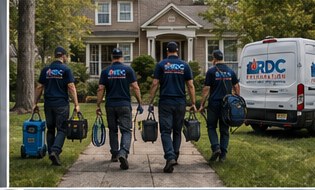
RDC Restoration provides fire damage restoration in Hackensack for homes, apartments and businesses in Fairmount, The Heights and the Main Street downtown. Our IICRC-certified crews board up openings, extract firefighting water, remove soot, clear smoke odor and pack out belongings, with crews dispatched 24/7 from our Berkeley Heights hub.
- IICRC-Certified Crews
- 24/7 Board-Up
- Direct Insurance Billing
- 27+ Years in NJ
Quick answer
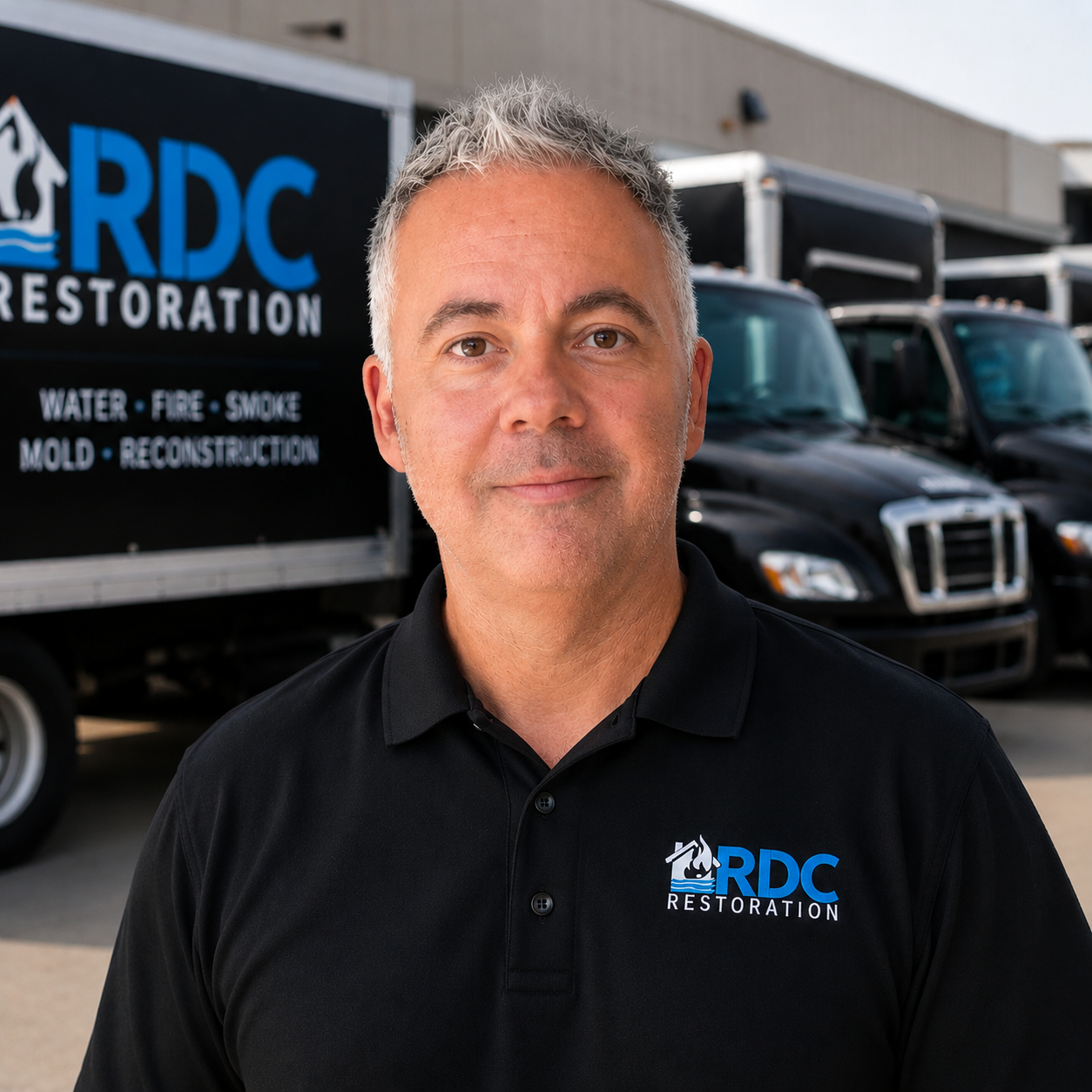
RDC Restoration handles fire and smoke damage in Hackensack, NJ, around the clock. Crews dispatch 24/7 to board up the property, extract the water firefighters left behind, remove soot and char, clean HVAC ductwork, deodorize with thermal fogging, ozone and hydroxyl treatment, and pack out contents for cleaning. RDC documents the loss and bills your insurer directly. Call (908) 253-9000.
Fire & Smoke Damage in Hackensack
Fire damage restoration in Hackensack, from board-up to odor-free
Fire damage restoration in Hackensack starts the moment the fire department clears the scene. RDC Restoration secures broken windows and vented roofs, pumps out the water used to put the fire out, and stops acidic soot from etching surfaces before it sets. As the Bergen County seat, Hackensack packs a lot of living into a small footprint, so one fire often touches more than one household.
The city's housing explains why. Early twentieth-century frame homes in Fairmount and The Heights often sit close together, while brick rowhouses and mid-century apartment buildings near Prospect Avenue and Summit Avenue connect units through common walls, stairwells and ventilation. Smoke follows those paths. A kitchen fire on one floor can leave soot film and odor in a neighbor's closet two doors away, so we test and document every affected space, not only the room that burned.
We handle the parts of recovery that keep a fire from becoming a larger loss: soot and char removal, HVAC and duct cleaning, deodorization with thermal fogging, ozone and hydroxyl treatment, and contents pack-out. If firefighting water has soaked a downtown basement, we bring the same drying gear used for water damage restoration in Hackensack. RDC does not perform repairs; once the building is clean, dry and documented, your contractor takes over with a clear scope. Learn more about our full fire and smoke damage restoration service.
More on Fire & Smoke Damage Restoration →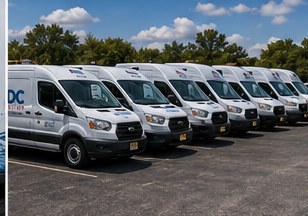
Local risks
Why fire losses in Hackensack spread past the burned room
Hackensack mixes older houses, dense apartment blocks and a busy downtown within a short walk of the river. That combination shapes how fire, smoke and water behave after a loss, and it is why our crews look well beyond the point of origin before they start cleaning.
Older wiring in early homes
Many frame houses in Fairmount and the First Ward were wired long before today's appliance loads. Overloaded circuits and aging connections can start fires inside walls, leaving soot and char in cavities that are hard to see. We inspect affected areas so hidden residue is not left behind.
Shared walls and stairwells
In the apartment buildings along Prospect Avenue and Summit Avenue, smoke moves through hallways, trash chutes and shared ventilation. Units that never saw flame can still need cleaning and deodorizing. We map every affected unit so the building owner and each tenant's insurer get accurate records.
Heating season and fireplaces
Cold New Jersey winters bring space heaters, older boilers and fireplaces back into heavy use. Chimney and fireplace fires push fine soot into living rooms and upper floors. Our crews clean masonry faces, ceilings and soft goods and treat the odor that lingers in plaster and wood trim.
Kitchen fires in busy households
Grease and stovetop fires are among the most common ways house fires start. In compact Hackensack kitchens, the smoke plume reaches cabinets, ceilings and adjoining rooms quickly. Protein residue from burned food leaves a sticky film and a sharp odor that ordinary household cleaners rarely remove.
Smoke pulled through HVAC
Forced-air systems often keep running during a fire and pull smoke into returns and ductwork. Once there, soot redistributes every time the system starts. We clean ducts and components and restore indoor air quality so the odor does not return when the heat kicks on.
Firefighting water in low basements
Hose lines can put a large volume of water into a building, and it flows down to the basement. Near the river's low-lying blocks, that water meets damp foundations and slow drainage. Our crews extract it and dry the structure so mold does not follow the fire.
Hackensack
What effective smoke odor removal in Hackensack involves
Smoke odor comes from microscopic particles and gases that work into drywall, insulation, carpet pads, wood trim and upholstery. Spraying fragrance only covers it for a few days. Real smoke odor removal in Hackensack homes means removing the residue first, then treating what remains with thermal fogging, ozone or hydroxyl generators chosen for the material and for whether the space is occupied.
Older plaster walls and hardwood floors common in The Heights hold odor differently from the drywall in newer downtown high-rises, so our technicians adjust the approach room by room. Hydroxyl treatment can run in occupied areas, while ozone is used only in vacated spaces. We also deodorize closets, cabinets and HVAC returns, the places residents most often notice a smell weeks later. For a closer look at why odor hangs on, read our guide to removing smoke odor after a house fire.
- Source residue cleaned before deodorizing
- Thermal fogging for porous materials
- Hydroxyl treatment for occupied rooms
- Ozone used only in vacated spaces
Hackensack
Fire damage cleanup in Hackensack after the trucks leave
Once the Hackensack Fire Department releases the scene, the building is often open to weather and passersby. Our fire damage cleanup in Hackensack begins with board-up and roof tarping, then moves to removing charred debris, wet insulation and ruined materials so the structure can dry. Every step is photographed and logged for your claim, and nothing salvageable is discarded without your approval.
Downtown buildings on Main Street often have retail on the ground floor with apartments above, and a fire in one can affect both. We coordinate access with owners and tenants, set up drying equipment where firefighting water collected, and keep salvageable materials separate from debris. If heavy rain is forecast while the roof is open, our storm damage team in Hackensack uses the same tarping methods to keep water out. Repairs to framing, roofing and finishes go to your chosen contractor once cleanup is complete.
- Emergency board-up of windows and doors
- Roof tarping over vented or burned areas
- Charred debris and wet insulation removed
- Firefighting water extracted and dried
Hackensack
Soot and smoke damage cleanup in Hackensack, surface by surface
Soot is acidic. Left on glass, metal fixtures, grout and painted trim, it begins etching and discoloring surfaces, and wiping it with a wet rag usually smears it deeper. Professional soot and smoke damage cleanup in Hackensack starts with identifying the residue: dry soot from a fast fire, oily soot from a smoldering one, or protein film from a kitchen fire. Each type needs a different cleaning method.
From there, our crews use dry sponges, HEPA vacuums and cleaning agents matched to each surface, working from ceilings down. Contents that cannot be cleaned on site are inventoried and packed out, then cleaned, deodorized and returned. Our article on contents cleaning after a fire explains what can usually be saved and why speed matters for electronics and fabrics. Families in neighboring towns get the same process through our fire damage restoration in Paramus crews.
- Residue type identified before cleaning
- HEPA vacuuming and dry-sponge soot removal
- Contents pack-out with a full inventory
- HVAC and duct soot cleaning
First steps
First steps after a fire in your Hackensack home
- Wait for clearance. Do not go back inside until the fire department says the building is safe. Structural damage, live wiring and lingering gases are real hazards. Once cleared, enter only to retrieve essentials such as medications, documents, wallets and phones.
- Call your insurer and RDC. Report the loss to your insurance company, then call RDC at (908) 253-9000. Crews dispatch 24/7 to board up openings and protect what remains, and we can bill your carrier directly for the work.
- Keep the HVAC off. Leave the heating and cooling system off until the ducts are inspected. Running it spreads soot and odor into rooms the fire never reached and makes the later duct cleaning harder and slower.
- Leave the soot alone. Wiping or scrubbing soot with household cleaners often pushes it into porous surfaces and sets stains permanently. Leave walls, upholstery and electronics alone until a technician identifies the residue type and the right cleaning method.
- Photograph every room. Before anything is moved, take wide photos and close-ups of every room, including contents in closets and drawers. These images support your claim and help us build an accurate inventory for pack-out and cleaning.
How we work
How RDC handles a Hackensack fire loss
1. Secure the property
Crews board up broken windows and doors and tarp any roof openings. That keeps out rain, wind and trespassers, which matters on busy streets near downtown and along the Route 4 corridor.
2. Assess and document
We trace how far soot, smoke and water traveled, including attics, wall cavities and ductwork, and record every finding with photos and moisture readings for your insurance adjuster and contractor.
3. Extract water and dry
Firefighting water is pumped out and the structure dried with commercial air movers and dehumidifiers. Moisture is checked daily so mold does not take hold in basements, subfloors or framing.
4. Clean soot and deodorize
Soot and char are removed surface by surface, ducts are cleaned, and odor is treated with thermal fogging, ozone or hydroxyl equipment matched to the materials and whether the space is occupied.
5. Return contents and hand off
Cleaned and deodorized belongings come back from pack-out, and we hand the owner, insurer and repair contractor a clear record of what was done and what still needs work.
Insurance
Fire insurance claims for Hackensack homeowners and landlords
Most homeowners and renters policies cover sudden fire damage, including smoke, soot and the water used to put the fire out. Policies differ on contents, additional living expenses and odor treatment, so read your declarations page or ask your agent. The U.S. Fire Administration also publishes recovery guidance worth reviewing.
Insurance usually sets the pace of fire damage restoration in Hackensack, so RDC Restoration bills insurers directly and supplies the photos, moisture logs and contents inventory adjusters ask for. In multifamily buildings, the owner's policy usually covers the structure while each tenant's renters policy covers personal belongings, and we keep those records separate. A fire that knocks out heat in January can also leave pipes freezing in the empty building; our burst pipe water damage service in Hackensack covers that follow-on risk.
Full-service restoration
Other RDC services in Hackensack
Water Damage Restoration
Water Damage Restoration in Hackensack →Burst Pipe & Winter Water Damage
Burst Pipe & Winter Water Damage in Hackensack →Mold Remediation
Mold Remediation in Hackensack →Mold Inspection & Testing
Mold Inspection & Testing in Hackensack →Basement Waterproofing
Basement Waterproofing in Hackensack →Storm Damage
Storm Damage in Hackensack →Commercial Restoration
Commercial Restoration in Hackensack →Sewage Cleanup
About Sewage Cleanup →Asbestos Testing & Abatement
About Asbestos Testing & Abatement →Hoarding Cleanup
About Hoarding Cleanup →Hackensack FAQs
Fire & Smoke Damage in Hackensack: common questions
How soon can RDC start fire damage restoration in Hackensack?
Crews dispatch 24/7 from our Berkeley Heights hub. The first visit focuses on securing the building with board-up and tarping and stopping water damage. Soot cleaning and deodorizing follow once the fire department releases the property and your insurer has been notified. Call (908) 253-9000 as soon as it is safe, even late at night.
Can smoke from a neighbor's apartment fire damage my unit?
Yes. In Hackensack's mid-century apartment buildings and newer high-rises, smoke travels through hallways, shared walls and ventilation. Units with no flames can still have soot film, odor in fabrics and residue in HVAC vents. We test and document affected units separately so each resident's renters policy and the building owner's policy have accurate records.
Will my furniture and clothing be salvageable?
Often, yes. Many fabrics, hard furniture, dishes and documents clean well when treated promptly. Our crews pack out contents, inventory them, then clean and deodorize them off site before returning them. Items with heat damage or deep contamination may not be salvageable, and we list those for your adjuster rather than guessing.
Does RDC repair the walls and roof after a fire?
No. RDC focuses on mitigation and cleanup: board-up, tarping, water extraction, soot removal, odor treatment and contents cleaning. Once the property is clean, dry and documented, your own contractor handles framing, drywall, roofing and finishes. Our documentation gives that contractor and your insurer a clear, shared starting point for the repair scope.
Do you serve towns near Hackensack?
Yes. Crews cover all of Bergen County and the rest of New Jersey from our Berkeley Heights and Piscataway locations. Residents next door can reach the same crews through our fire damage restoration in Teaneck page. For flooding and leaks anywhere in the county, see our Bergen County water damage restoration page.
Fire in Hackensack? Call RDC now
Crews dispatch 24/7 to board up, extract water and begin soot and odor cleanup. Call (908) 253-9000 and we will bill your insurer directly.