
RDC Restoration Blog · New Jersey
How To Keep a NJ Crawl Space Dry
Learning how to keep your crawl space dry is one of the most valuable things a New Jersey homeowner can do, because a damp crawl space quietly invites mold, wood rot, pests, and musty air that rises into every room above it. The fix comes down to four proven moves: a sealed vapor barrier over the soil, drainage that carries water away from the foundation, controlled ventilation or full encapsulation, and a dehumidifier when humidity still runs high.
Why New Jersey crawl spaces stay damp
New Jersey’s clay-heavy soil, high water table, and humid summers make crawl spaces some of the wettest parts of a home. Groundwater wicks up through bare dirt floors, warm outside air condenses on cool foundation walls, and open foundation vents pull humid air straight into the space during July and August. In older homes across Union, Middlesex, Essex, and Bergen counties, decades-old vapor barriers have often torn, shifted, or gone missing entirely. Left unchecked, that constant moisture rots joists and sill plates, ruins insulation, and feeds the mold spores that eventually travel upstairs through the stack effect.
How to keep your crawl space dry, step by step
There is no single silver bullet. A crawl space that stays reliably dry usually combines several of the measures below, tailored to how wet the space is and what the soil around your foundation is doing.
- Lay a sealed vapor barrier. A heavy polyethylene liner (typically 6–20 mil) across the soil blocks ground moisture. Overlap the seams, tape them, and run the barrier up the foundation walls for the best result.
- Control the water outside first. Extend downspouts, clean gutters, and grade the soil so it slopes away from the house. Most crawl space moisture problems start with water that was never directed away from the foundation.
- Add drainage where water still collects. An interior perimeter drain feeding a sump pump moves groundwater out before it can pool under the barrier.
- Manage the air. In chronically damp spaces, sealing the vents and running a dedicated crawl space dehumidifier holds relative humidity in a safe range year-round.
- Consider full encapsulation. For crawl spaces that never fully dry, encapsulation, sealing the floor, walls, and vents into one conditioned envelope, is the most durable way to keep a crawl space dry for good.
Warning signs your crawl space has a moisture problem
You do not have to wait for standing water. Catch these early signals and you can often solve the issue before it reaches your framing or living space:
- A musty, earthy smell in the rooms directly above the crawl space
- Condensation or beads of water on ductwork, pipes, or foundation walls
- Insulation that is sagging, darkened, or falling away from the subfloor
- Springy, sagging, or squeaky floors above the crawl space
- Visible mold, efflorescence (white powder), or wood that is soft to the touch
- A spike in pests, since bugs and rodents are drawn to damp, sheltered spaces
If you spot active mold, our mold remediation team can test the air, contain the growth, and remove it safely, then help you fix the moisture source so it does not return.
Crawl space encapsulation vs. venting
For decades, building codes assumed open vents would dry out a crawl space. In New Jersey’s humid climate, that logic often backfires: on a muggy summer day, those vents invite warm, moisture-laden air that condenses on cool surfaces and makes the space wetter, not drier. Encapsulation takes the opposite approach, sealing the crawl space off from outside air and conditioning it like the rest of the home. Sealed, encapsulated crawl spaces stay drier, resist mold, and can even trim energy bills because your HVAC no longer fights humid air leaking up from below. The right choice depends on your soil, water table, and how the space connects to the rest of the house, which is exactly what a professional assessment sorts out.
When to call a professional
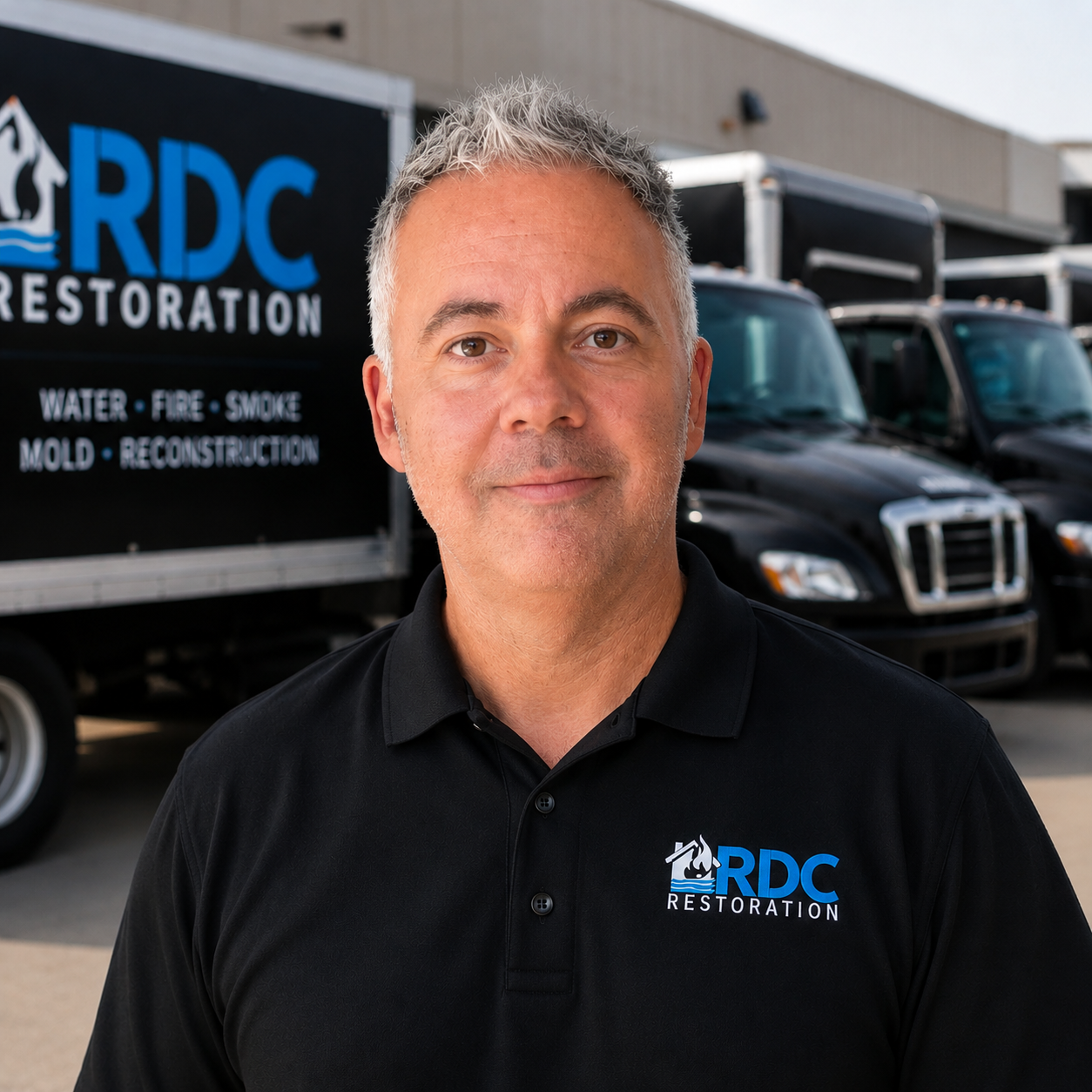
A homeowner can swap a torn vapor barrier or add a downspout extension. But call a professional the moment you find standing water, contaminated or sewage-touched water, widespread mold, structural rot, or moisture hidden behind walls and under floors. Certified crews carry moisture meters, commercial-grade drying equipment, and containment gear a homeowner does not, and they follow IICRC industry standards to dry the space correctly and verify it is actually dry. Just as important, they trace the problem to its source. RDC’s founder, Russell Calderone, holds IICRC (WRT and ASD), NORMI, and AHERA certifications and has spent 27 years keeping New Jersey crawl spaces and basements dry. If the water is coming through the foundation itself, our basement waterproofing and water damage restoration teams address both the crawl space and the underlying cause.
Why fast response matters
Crawl space moisture is a race against time. Water feeds mold within 24–48 hours, wood begins to rot with prolonged saturation, and the longer the space stays wet the further contamination and odors spread into the home. Because RDC Restoration dispatches from two central New Jersey hubs, Berkeley Heights in Union County and Piscataway in Middlesex County, a certified crew reaches most addresses across all 21 counties while the damage is still containable. Acting early protects your family’s air quality, preserves your home’s structure, and keeps the total repair cost down. RDC is BBB A-rated, holds a 4.9-star rating, and bills your insurance carrier directly wherever possible. Call (908) 253-9000 any time, day or night.
Key takeaways
- To keep your crawl space dry, combine a sealed vapor barrier, outside drainage, humidity control, and encapsulation where needed
- Fix the water outside the foundation before treating the air inside
- Watch for musty smells, condensation, sagging insulation, and springy floors as early warning signs
- In humid New Jersey, sealing and encapsulating usually beats open venting
- Call a certified pro for standing water, mold, or hidden moisture, and fix the source, not just the symptom
Damp crawl space in New Jersey right now? RDC Restoration answers 24/7.
Quick answers
Frequently asked questions
What is the best way to keep a crawl space dry in New Jersey?
The most reliable way to keep a crawl space dry is to combine a sealed vapor barrier over the soil, exterior drainage and grading that moves water away from the foundation, and humidity control, adding full encapsulation for spaces that never fully dry. Call RDC at (908) 253-9000 for a free on-site assessment.
Should I encapsulate my crawl space or leave the vents open?
In New Jersey’s humid climate, sealing and encapsulating a crawl space usually keeps it drier than open vents, which can pull in warm, moist summer air that condenses on cool surfaces. RDC can assess your space and recommend the right approach.
How do I know if my crawl space is too wet?
Musty odors upstairs, condensation on pipes and walls, sagging or darkened insulation, springy floors, and visible mold all signal excess crawl space moisture. If you see these signs, have it evaluated before the damage reaches your framing.
Does RDC Restoration serve my New Jersey town?
Yes. RDC serves all 21 New Jersey counties for basement waterproofing, crawl space moisture, and mold, dispatched 24/7 from Berkeley Heights and Piscataway. Call (908) 253-9000.
Can RDC bill my insurance for water or mold damage?
RDC documents the loss thoroughly and bills your insurance carrier directly wherever possible. With 27 years of experience and a 4.9 rating, RDC handles the paperwork so you can focus on your home.
New Jersey’s trusted restoration team.
Water, fire, or mold trouble? RDC Restoration dispatches the nearest crew 24/7, statewide.