
Wayne, NJ · Passaic County · Storm Damage
Storm Damage Restoration in Wayne, NJ
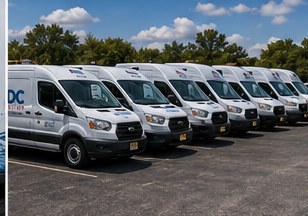
RDC Restoration delivers storm damage restoration in Wayne when wind, rain and rising rivers hit the township. Crews tarp torn roofs, board up broken windows, clear storm debris, pump out flooded basements and dry the structure, then document everything for your insurer. We dispatch 24/7 from our Berkeley Heights location.
- 24/7 Roof Tarping
- Emergency Board-Up
- Floodwater Extraction
- IICRC-Certified Crews
Quick answer
RDC Restoration provides storm damage restoration in Wayne, NJ 24/7. After nor'easters, tropical storms or summer thunderstorms, crews put emergency tarps on damaged roofs, board up openings, remove storm debris, extract floodwater from basements and dry the structure to prevent mold. RDC documents the loss and bills insurance directly. Call (908) 253-9000 day or night.
Storm Damage in Wayne
Storm Damage Restoration in Wayne for a Town Shaped by Rivers
Few New Jersey towns feel bad weather the way Wayne does. The Pompton, Ramapo and Pequannock Rivers converge along its northern edge, and when heavy rain falls upstream, that water comes through town. RDC Restoration offers storm damage restoration in Wayne that covers both sides of a storm: the wind that opens roofs and breaks windows, and the water that fills basements and soaks walls. Both can arrive in the same storm, and both get worse the longer the house sits open or wet.
Low-lying sections like Mountain View and Hoffman Grove see river water first, while lake neighborhoods such as Packanack Lake and Pines Lake deal with a high water table that pushes seepage through foundation walls. Up in the wooded hills of Preakness, the bigger problem is often trees: mature oaks and maples that come down on roofs, decks and cars when a nor'easter soaks the ground and the wind picks up.
Our crews dispatch 24/7 from Berkeley Heights with tarps, plywood, pumps and drying equipment. For homes that keep taking on water from below, our Wayne basement waterproofing page explains longer-term options. You can see how we approach every kind of weather loss on our main storm damage restoration page. Many Wayne storm losses mix wind and water, so having one crew handle the tarp, the extraction and the drying keeps the job simpler.
More on Storm Damage Restoration →
Local risks
What Makes Wayne Storms Different
Wayne combines three rivers, several lakes, steep wooded ridges and miles of tree-lined residential streets. Each type of storm finds a different weak spot, and a single long nor'easter can hit several of them at once. Here is what we see most often.
River flooding
When the Pompton and Ramapo overflow, Mountain View and Hoffman Grove can take water into basements and first floors. River water is contaminated, so flooded materials need extraction, sanitizing and careful removal, not just drying.
High water table
Lake communities around Packanack Lake and Pines Lake sit on saturated ground. After days of rain, groundwater pushes through slab cracks and foundation joints, and basements can flood even when the rivers stay in their banks.
Fallen trees
Mature trees line the streets of Preakness and the ridges near High Mountain. Saturated soil plus strong wind brings them down onto roofs, through skylights and across driveways, often leaving an opening that lets rain keep pouring in.
Wind-driven rain
Nor'easters push rain sideways for long stretches. Water gets behind siding, around window frames and under lifted shingles, then shows up as ceiling stains and wet insulation several days after the skies clear, often in upstairs bedrooms.
Power outages and sump pumps
Storms that knock out power also stop sump pumps, right when groundwater is highest. Our guide to what to do when a sump pump fails in a storm covers the next steps for a flooded basement.
Tropical storm remnants
Late-summer and fall tropical systems can stall over North Jersey and drop heavy rain on the river basins upstream. The National Weather Service issues flood watches and river forecasts worth following closely in Wayne, especially along the Pompton.
Wayne
Flood Cleanup in Wayne After the Rivers Rise
Flood cleanup in Wayne usually means dealing with contaminated water. River overflow and surface runoff carry sewage, fuel and lawn chemicals, so carpet, pad and soaked drywall in the flooded zone typically have to come out. We pump out standing water, remove unsalvageable materials, clean and sanitize what remains, and set commercial dehumidifiers and air movers to dry the space.
Timing matters most in neighborhoods like Hoffman Grove, where several houses on one street may flood in the same event and restoration crews get busy across the township. Calling early gets your home on the schedule. Once surfaces are dry, we check for signs of growth and, when needed, arrange a mold inspection in Wayne to confirm the space is clear before your contractor closes walls back up. We also record the water line on each wall for your flood adjuster.
- Pumping and truck-mounted extraction
- Removal of contaminated flooring and drywall
- Cleaning and sanitizing flooded areas
- Moisture monitoring until materials are dry
Wayne
Emergency Roof Tarping in Wayne to Stop the Next Rain
A roof opening does not wait for the next sunny day. Once a limb punches through or wind peels back a section of shingles, every shower that follows adds more water to the attic, insulation and ceilings. Emergency roof tarping in Wayne covers the opening with a weather-tight tarp secured over the damaged area, protecting the house until your roofer makes permanent repairs. We photograph the damage before the tarp goes on so your adjuster can see it.
Wayne has plenty of steep-pitched colonials and split-levels with large trees overhead, which makes tarping slow and dangerous for homeowners on a ladder. Our crews handle it, and we board up broken windows and sliding doors on the same visit. If lightning also started a fire, our fire and smoke damage team in Wayne takes care of the soot and odor side of the loss.
- Weather-tight tarps over roof breaches
- Board-up of windows, doors and skylights
- Photos of the damage before covering
- Interior drying where rain got in
Wayne
Fallen Tree Damage in Wayne: Clearing the Mess and Drying the House
Fallen tree damage in Wayne tends to follow a pattern: a root zone soaked by days of rain, a strong gust during a nor'easter or thunderstorm, and a trunk or heavy limb across the roof. Removing the tree itself is a job for a tree service, especially when power lines are tangled in it. RDC handles the damage the tree leaves behind on and inside the house. Our visit can be scheduled around the tree crew so the roof gets covered as soon as the weight is off.
That includes clearing branches, shattered glass and ruined materials from affected rooms, tarping the roof, boarding up windows and drying everything the rain soaked while the house was open. We document each step so your insurer sees the full picture. If you manage a building on Route 23 or Hamburg Turnpike that took a hit, our commercial restoration services in Wayne work around tenants and store schedules.
- Debris and broken glass removal
- Roof tarping and board-up
- Drying soaked attics and ceilings
- Step-by-step documentation for the claim
First steps
First Moves When a Storm Hits Your Wayne Property
- Stay clear of lines and water. Treat every downed wire as live, and stay out of flooded basements where outlets or appliances may be under water. In Mountain View and Hoffman Grove, wait for floodwater to recede before heading downstairs.
- Photograph everything. Before anything is moved, take photos and video of the roof, windows, fallen trees, water lines on walls and damaged belongings. Those images become the backbone of your insurance claim later on.
- Call for tarping and board-up. Call RDC at (908) 253-9000. Crews dispatch 24/7 to tarp roof openings and board up windows, which also shows your insurer you took reasonable steps to prevent further damage to the house.
- Move valuables up. If water is still rising or dripping, carry documents, electronics and keepsakes upstairs or into a dry room. Set furniture legs on blocks or foil so stains do not wick up from wet carpet.
- Check the sump pump. When power returns, make sure the sump pump restarts and the discharge line is clear. A pump that quietly failed during the outage is a common reason Wayne basements keep taking on water.
How we work
Our Storm Response Process in Wayne
1. Secure the structure
Crews tarp roof breaches, board up windows and doors, and clear debris from entry points so the house is safe to work in and protected from the next round of weather.
2. Document the loss
We photograph exterior and interior damage, record water lines and moisture readings, and note which rooms were affected by wind, rain or rising water, so your adjuster gets a clear file.
3. Extract and remove
Standing water is pumped and extracted. Wet carpet, pad, insulation and drywall that cannot be saved are removed and disposed of, especially when the water came from a river or surface runoff.
4. Dry and monitor
Dehumidifiers and air movers run until floors, framing and wall cavities reach dry standards. We take readings at every visit, the same approach our crews use for storm damage restoration in Paterson.
5. Clean, sanitize and hand off
Affected surfaces are cleaned and sanitized to limit mold. Then we hand documentation to you, your insurer and your contractor, who takes on permanent repairs to roofing, siding or interior finishes.
Insurance
Flood vs. Wind: How Storm Claims Work in Wayne
Storm claims in Wayne often split in two. Standard homeowners policies typically cover wind damage, such as a tree through the roof or rain entering through a broken window. Rising water from the rivers, or groundwater that floods a basement, is usually excluded and falls under a separate flood policy, often written through the National Flood Insurance Program. If you live near the Pompton or Ramapo, check which policies you carry before storm season.
Because the two policies may be handled by different adjusters, clear records of what caused each kind of damage matter. RDC documents it room by room and bills carriers directly wherever possible. Our article on water damage versus flood insurance in New Jersey explains the difference. For towns around Wayne, see our Passaic County water damage page.
Nearby
Storm Damage across Passaic County
See the Passaic County service area, or another town nearby.
Full-service restoration
Other RDC services in Wayne
Water Damage Restoration
Water Damage Restoration in Wayne →Burst Pipe & Winter Water Damage
Burst Pipe & Winter Water Damage in Wayne →Mold Remediation
Mold Remediation in Wayne →Mold Inspection & Testing
Mold Inspection & Testing in Wayne →Basement Waterproofing
Basement Waterproofing in Wayne →Fire & Smoke Damage
Fire & Smoke Damage in Wayne →Commercial Restoration
Commercial Restoration in Wayne →Sewage Cleanup
About Sewage Cleanup →Asbestos Testing & Abatement
About Asbestos Testing & Abatement →Hoarding Cleanup
About Hoarding Cleanup →Wayne FAQs
Storm Damage in Wayne: common questions
Is a sump pump failure during a storm covered by insurance?
Often not under a standard homeowners policy alone. Water that backs up because a sump pump failed during an outage is usually covered only with a water backup endorsement, while rising surface water falls under flood coverage. Either way, RDC extracts the water, dries the basement and documents the cause, which helps your adjuster decide which coverage applies.
Will RDC remove a tree that fell on my house?
RDC is not a tree service. When a large trunk is resting on the house, a tree company or the utility needs to remove it safely first. We tarp the opening, board up windows, clear debris and broken glass from inside, and dry wet ceilings and insulation. We can coordinate timing so the roof is covered once the tree is off.
My Wayne basement floods whenever the Pompton rises. Can you help each time?
Yes. After each event we extract the water, remove contaminated materials, sanitize and dry the space, then document the damage for your flood claim. Repeat flooding means the same materials stay wet again and again, so we watch closely for mold. We can also share our moisture records with whoever advises you on longer-term protection.
Do you handle winter storm damage like ice dams and frozen pipes?
Yes. Snowstorms and ice storms cause a different set of problems, from meltwater leaking through ceilings to pipes that split during an outage. Our burst pipe and winter water damage page for Wayne explains how we extract and dry those losses. Call (908) 253-9000 24/7.
Do your crews work in towns near Wayne after big storms?
Yes. RDC serves all of New Jersey from Berkeley Heights and Piscataway. Upstream in the Highlands, we provide storm damage restoration in West Milford, where wooded lots and lakefront homes face similar risks. We also cover Totowa, Little Falls, Wanaque and the rest of Passaic County.
Storm Damage in Wayne? Get a Crew Moving
Call (908) 253-9000 any time. RDC crews tarp roofs, board up openings and pump out flooded basements across Wayne around the clock, every day of the year.