Madison, NJ · Morris County · Storm Damage
Storm Damage Restoration in Madison, NJ
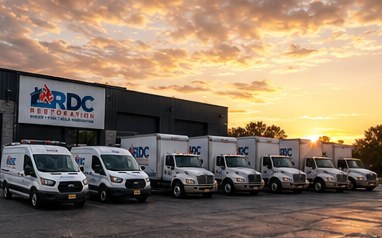
RDC Restoration provides storm damage restoration in Madison when nor'easters, tropical remnants and summer thunderstorms bring down mature trees, tear open roofs and push water into basements near Loantaka Brook. Crews dispatch 24/7 from Berkeley Heights with tarps, board-up materials and extraction equipment, then dry the structure and document the loss for your insurer.
- Emergency Roof Tarping
- Board-Up Day or Night
- Floodwater Extraction
- Storm Claim Documentation
Quick answer
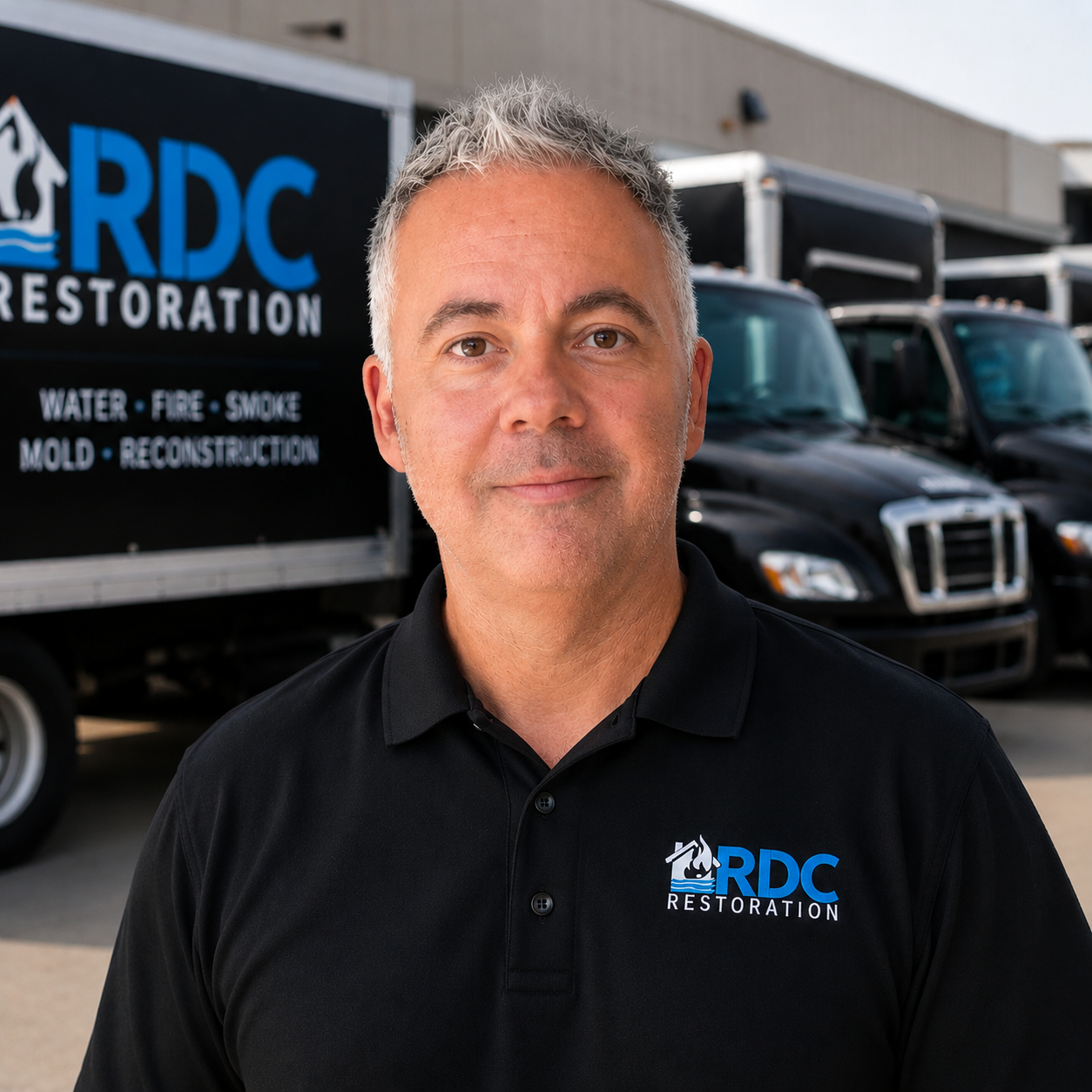
For storm damage restoration in Madison, NJ, RDC Restoration dispatches crews 24/7 to tarp damaged roofs, board up broken windows, clear storm debris, extract floodwater and dry the structure with commercial air movers and dehumidifiers. IICRC-certified technicians document everything and bill insurance directly. Madison is served from our Berkeley Heights hub. Call (908) 253-9000.
Storm Damage in Madison
Storm Damage Restoration in Madison, From Tree Strikes to Flooded Basements
Madison is known as the Rose City and for its canopy of mature trees, and that canopy is part of the storm risk. Storm damage restoration in Madison often starts with a limb through a roof or a trunk across a porch, followed by rain pouring into an attic or upstairs bedroom. Along the borough's southern edge, Loantaka Brook and its wetlands add a second problem: saturated ground and water in low-lying basements.
RDC Restoration has spent 27+ years answering storm calls across New Jersey. Crews for Madison come from our Berkeley Heights hub with tarps, plywood, pumps and drying equipment already loaded. You can read how the full service works on our New Jersey storm damage restoration page; this page covers what that work looks like on Madison's streets. Whether the call comes from a cottage in Rosedale or a larger home near Sunset Lakes, the first priorities stay the same.
We focus on what has to happen first: close the openings, get standing water out and dry the structure before mold or rot sets in. Removing a large tree from a roof, replacing shingles and installing new windows belong to tree services, roofers and your contractor. RDC secures the property, handles the water and documents everything those trades and your insurer will need. Getting that order right early keeps a wind claim from turning into a mold claim weeks later.
More on Storm Damage Restoration →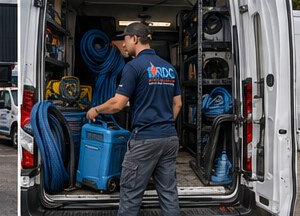
Local risks
What Storms Do to Madison Properties
Storms hit Madison through a few predictable weak points: mature trees over older roofs, stone foundations that seep, and low areas near Loantaka Brook. Knowing which of these applies to your property helps you prepare before the forecast turns and respond faster afterward.
Mature trees on tight lots
Tree-lined streets are part of Madison's appeal, but large limbs over houses and driveways come down in high winds and heavy, wet snow. A single limb can puncture a roof, crack rafters and break windows, leaving the house open to rain.
Loantaka Brook overflow
The brook and its wetland corridor along the southern edge of town can spread water into yards and low basements after heavy rain. Saturated soil keeps pushing water against foundation walls for days after the storm has moved on.
Stone and older foundations
Many older Madison homes sit on stone or early masonry foundations. During long, soaking rains, water finds the joints and seeps into finished basements and mechanical rooms. Our basement waterproofing work in Madison addresses the source once the space is dry.
Wind-driven rain
Nor'easters and tropical remnants blow rain sideways, forcing water past old window sashes, around chimney flashing and behind siding. The damage often shows up as stains on ceilings and walls well away from the obvious entry point.
Outages that stop sump pumps
When the power fails during a storm, sump pumps stop. A basement that stays dry in normal rain can flood in a single storm if the pump has no battery backup. Our article on what to do when a sump pump fails in a storm walks through next steps.
Summer thunderstorms
Fast-moving summer storms bring short bursts of very heavy rain, hail and strong gusts. Gutters overflow, window wells fill and street drainage backs up quickly, so water can reach a basement before anyone realizes the storm has turned serious.
Madison
Flood Cleanup in Madison Basements and Lower Levels
Most flooding in Madison is not a river rising over its banks. It is groundwater, overland runoff and pump failures that leave several inches of water in a basement. Flood cleanup in Madison starts with identifying what kind of water you have, because runoff that crossed lawns and streets is treated as contaminated, and porous materials it touched usually cannot be saved. We also check whether water reached furnaces, water heaters or electrical panels before anyone works in the space.
RDC extracts standing water with truck-mounted and submersible pumps, removes ruined carpet and drywall, sanitizes affected areas and dries the structure with air movers and dehumidifiers, checking moisture readings at every visit. Homes near Loantaka Brook often need extra attention along foundation walls, where water keeps wicking in. To understand your exposure before the next storm, our article on New Jersey flood zones and basement risk is a good starting point.
- Water category assessed before cleanup
- Truck-mounted and submersible extraction
- Removal of unsalvageable materials
- Sanitizing and moisture monitoring
Madison
Emergency Roof Tarping in Madison When the Roof Is Open
An opening in the roof lets water in with every shower that follows the storm. Emergency roof tarping in Madison closes that gap until a roofer can make permanent repairs. Crews cover the damaged section with heavy, weather-tight tarps secured beyond the edges of the breach, and they check the attic for wet insulation and soaked sheathing while they are up there. Wet ceiling drywall below the breach is checked as well, since it can hold water long after the roof is covered.
Steep pitches, dormers and older roofing materials are common on Madison's Victorian and colonial homes, so tarps are placed carefully to avoid creating new damage. Broken windows and doors get boarded up during the same visit. We take the same approach on storm calls elsewhere in the county, including storm damage restoration in Morristown and storm damage restoration in Randolph.
- Weather-tight tarps over roof breaches
- Attic check for wet insulation
- Board-up of broken windows and doors
- Photos of every opening for your claim
Madison
Fallen Tree Damage in Madison: Securing the House
When a tree comes down on a house, the visible damage is only part of the story. Fallen tree damage in Madison often includes cracked rafters, split siding, broken windows and a ceiling soaked by the rain that followed. Before anyone goes back into the affected rooms, the structure needs to be checked, and anything unstable needs temporary support. Gutters, chimney flashing and nearby windows are inspected too, since a falling tree rarely damages just one spot.
A tree service removes the trunk and large limbs. RDC then tarps the opening, boards up broken glass, clears branches and storm debris from the property, temporarily braces compromised framing and dries wet areas so mold does not take hold. Heavy, wet snow brings trees down in winter too, and our page on burst pipe and winter water damage in Madison covers the cold-weather side of the same problem.
- Timing coordinated with your tree service
- Tarping and board-up of openings
- Branch and debris cleanup
- Temporary bracing and drying of wet areas
First steps
What to Do Right After a Storm Damages Your Madison Home
- Stay clear of downed lines. Treat every fallen wire as live and keep away from trees tangled in power lines. Report them to the utility and let line crews make the area safe before anyone works near the damage.
- Avoid rooms under the impact. If a tree or limb hit the house, stay out of rooms beneath the impact area. Ceilings holding water can sag and fall. Shut off power to wet areas only if you can reach the panel safely.
- Call RDC for tarping. Call (908) 253-9000 for storm damage restoration in Madison, and crews will tarp the roof and board up windows. Closing openings quickly limits interior damage, and insurers generally expect owners to take reasonable steps to prevent further loss.
- Document before cleanup. Photograph the outside of the house, fallen trees, roof damage and every wet room. Dated photos taken before cleanup make it easier for your adjuster to separate wind damage from flood damage.
- Move belongings up. Lift electronics, papers and furniture off wet basement floors and out of rooms with active leaks. Do not use a household vacuum on standing water, and stay out of basements where water is near outlets or the panel.
How we work
RDC's Storm Response Process in Madison
1. Emergency dispatch
Crews dispatch 24/7 from our Berkeley Heights hub with tarps, plywood, pumps and drying equipment. During widespread storms, calls are triaged so open roofs and active flooding get handled first.
2. Secure and protect
Roof breaches are tarped, broken windows and doors are boarded up and storm debris is cleared from the work area. Compromised framing gets temporary bracing so the house is safe to work in.
3. Extract and remove
Standing water is pumped out, and wet materials that cannot be saved, such as soaked carpet pad, insulation and lower drywall, are removed and documented for the claim before drying begins.
4. Dry and monitor
Commercial air movers and dehumidifiers dry walls, floors and framing, including hidden wall cavities. Technicians take moisture readings at every visit and adjust or move equipment until materials return to normal levels.
5. Report and hand off
You receive photos, moisture logs and a written scope of the mitigation work. That package goes to your insurer and to the roofer or contractor you choose for permanent repairs and finishing.
Insurance
Wind vs. Flood Coverage for Madison Storm Claims
Storm claims often come down to where the water came from. Standard homeowners policies typically cover wind damage, including a tree through the roof and the rain that came in through that opening. Water that rose from the ground or ran across the surface into your basement is usually a flood loss, which requires separate flood insurance. Sump pump backup often needs its own endorsement.
Because one storm can cause both kinds of damage, clear documentation matters. RDC photographs entry points, maps where water traveled and records moisture readings so your adjuster can see which damage came from which source. We bill carriers directly whenever possible. Before the next storm season, the Ready.gov preparedness checklists are worth reviewing with your household.
Full-service restoration
Other RDC services in Madison
Water Damage Restoration
Water Damage Restoration in Madison →Burst Pipe & Winter Water Damage
Burst Pipe & Winter Water Damage in Madison →Mold Remediation
Mold Remediation in Madison →Mold Inspection & Testing
Mold Inspection & Testing in Madison →Basement Waterproofing
Basement Waterproofing in Madison →Fire & Smoke Damage
Fire & Smoke Damage in Madison →Commercial Restoration
Commercial Restoration in Madison →Sewage Cleanup
About Sewage Cleanup →Asbestos Testing & Abatement
About Asbestos Testing & Abatement →Hoarding Cleanup
About Hoarding Cleanup →Madison FAQs
Storm Damage in Madison: common questions
Is basement flooding from Loantaka Brook covered by homeowners insurance?
Usually not under a standard homeowners policy. Water that rises from the ground or flows across the surface is generally treated as flood damage, which requires a separate flood policy. Wind-driven rain through a storm-damaged roof or window is more often covered. RDC documents the source of the water so your insurer can apply the right coverage to each part of the loss.
Can you tarp a steep roof on an older Madison home?
Yes. Many Victorian and colonial homes in town have steep pitches, dormers and older roofing materials. Crews secure tarps so they cover the full breach with margin to spare, avoid adding new damage and check the attic for water. The tarp is temporary protection until your roofer completes permanent repairs.
My power went out and the sump pump stopped. What now?
Keep people and pets out of the basement if water is near outlets, appliances or the electrical panel. Once power returns, check whether the pump restarts on its own. If water is already on the floor, call RDC at (908) 253-9000. We extract the water, remove wet materials that cannot be saved and dry the space to prevent mold.
Does RDC remove trees from my roof?
Large trees and trunks are removed by a tree service. RDC handles what comes next: tarping the opening, boarding up broken windows, clearing branches and storm debris, temporarily bracing damaged framing and drying wet areas. We can coordinate timing with your tree service so the roof is covered as soon as the tree is off.
Do you respond to storm damage outside Madison?
Yes. RDC serves all of New Jersey from Berkeley Heights and Piscataway, and our Morris County restoration page lists nearby towns we cover. If a lightning strike starts a fire, the same company also handles fire damage restoration in Madison, from board-up through soot and odor removal. One phone number covers every service.
Storm Damage in Madison? Get a Crew Out Now
Crews dispatch 24/7 for storm damage restoration in Madison, including roof tarping, board-up, floodwater extraction and structural drying. Call (908) 253-9000.