West New York, NJ · Hudson County · Fire & Smoke Damage
Fire & Smoke Damage Restoration in West New York, NJ
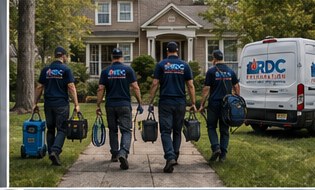
RDC Restoration provides fire damage restoration in West New York for attached row houses, walk-up apartments and Bergenline Avenue storefronts. Crews dispatch 24/7 to board up openings, extract firefighting water, clean soot and treat smoke odor at its source, then document the loss so your insurer and your contractor know exactly what happened.
- 24/7 Board-Up Crews
- IICRC-Certified Technicians
- Direct Insurance Billing
- Contents Pack-Out
Quick answer
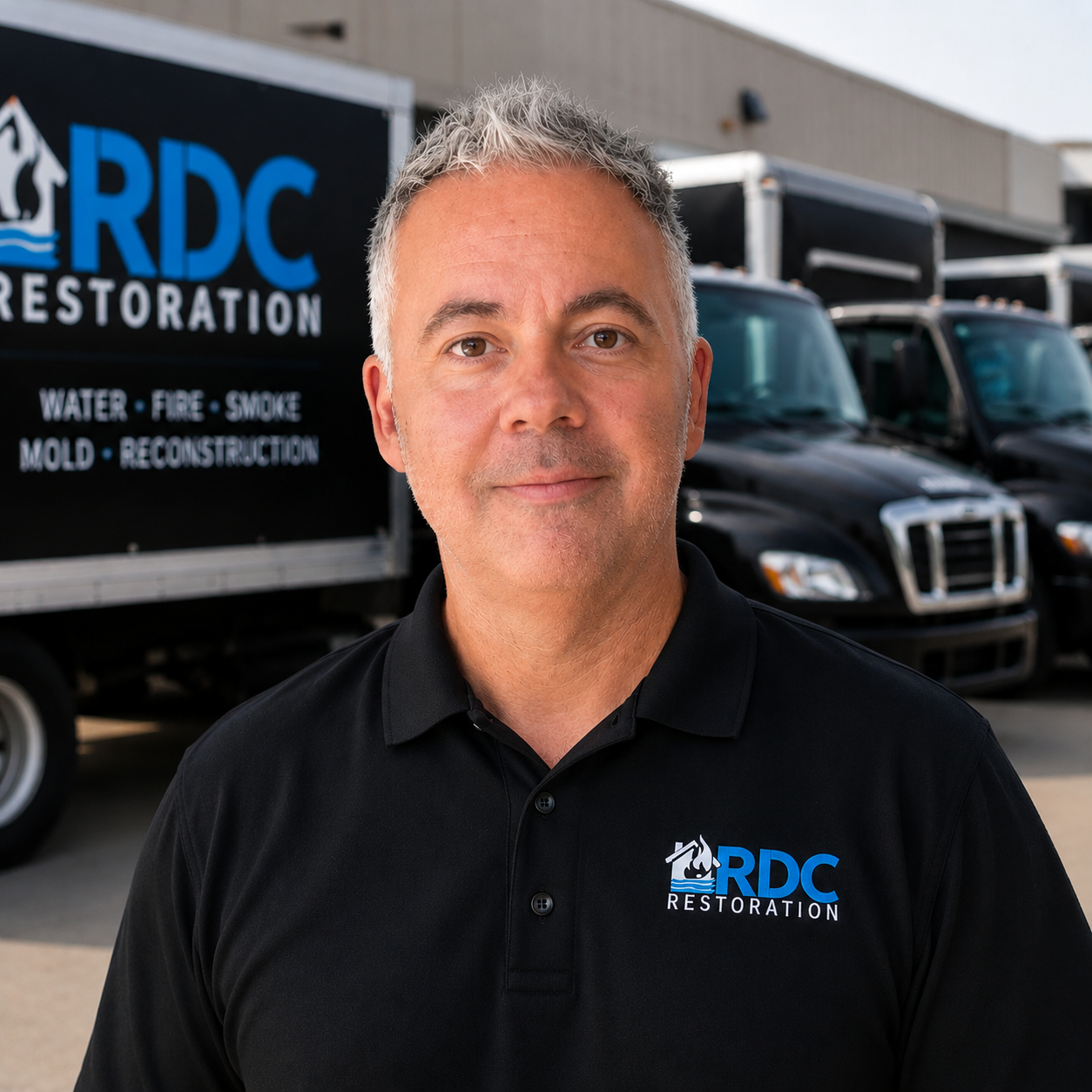
RDC Restoration handles fire damage restoration in West New York, NJ around the clock. Crews from the Berkeley Heights hub board up the building, pump out the water left by firefighters, clean soot from walls and ductwork, remove smoke odor with thermal fogging, ozone and hydroxyl treatment, and pack out salvageable contents for cleaning. RDC bills insurance directly. Call (908) 253-9000 any hour.
Fire & Smoke Damage in West New York
Fire Damage Restoration in West New York, NJ
West New York sits on the Palisades above the Hudson, and its blocks are packed with attached row houses, walk-up apartments and multifamily homes. That density changes what a fire means here. Smoke rarely stays in one unit, and the neighbors on both sides of a shared wall often need help the same day. RDC Restoration delivers fire damage restoration in West New York for owners, tenants and landlords who need the damage stopped before it spreads further.
Soot is acidic. Left on tile grout, window glass, appliance finishes and electronics, it begins to etch and stain, while the smell settles into drywall, insulation and the cavities between floors. In a building where several households share a stairwell or a cellar, one kitchen fire can leave a gray film on every landing. Our IICRC-certified technicians test surfaces, choose the right cleaning method for each material, and treat odor where it lives instead of covering it up.
Water is the other half of the job. Hose streams used to knock down a fire run through floors and collect in the deep cellars common under older West New York buildings. We extract that water, dry the structure, clean and deodorize, and hand you a documented scope. Repairs after that belong to the contractor you choose, and we make sure they and your adjuster start from accurate records. Learn more about our fire and smoke damage restoration services across New Jersey.
More on Fire & Smoke Damage Restoration →
Local risks
Why Fire and Smoke Travel Farther in West New York
A fire in a detached suburban house is serious. In West New York, where buildings share walls, stairwells, chimney flues and cellars, the same fire touches more people. These are the conditions our crews plan for on every fire call in town.
Shared Walls in Row Houses
Attached row houses on the side streets off Bergenline Avenue share party walls and sometimes roof framing. Smoke pushes through outlet boxes, pipe chases and gaps at the floor line, so the house next door may need soot cleaning and odor treatment even when no flames crossed over.
Walk-Up Stairwells
In a three- or four-story walk-up, the stairwell acts like a chimney. Smoke rises, cools and drops soot on every landing, door and handrail above the fire floor. Cleaning the common hall is part of the job, and the landlord needs that work recorded separately from each unit.
Older Wiring and Heating
Many buildings here predate modern electrical loads, and winter brings space heaters, crowded power strips and aging boilers in cellar mechanical rooms. The NFPA publishes home heating and electrical safety guidance worth reviewing with every household in the building.
Kitchen Fires in Close Quarters
Grease fires in small apartment kitchens leave a sticky residue that ordinary cleaners only smear. With kitchens stacked one above another, cooking smoke can also move through shared exhaust paths and ventilation shafts into neighboring units.
Firefighting Water in Deep Cellars
Water used on an upper floor always finds its way down. Older homes in West New York often have deep cellars, so dirty runoff collects at the bottom of the building, soaking stored belongings and raising mold risk if it is not pumped out and dried.
Tight Streets for Equipment
Narrow one-way streets, scarce parking and steep grades near the cliff make it hard to stage equipment. Our crews plan hose runs, air scrubber placement and pack-out loading around the block layout so neighbors are not blocked in any longer than necessary.
West New York
Smoke Odor Removal in West New York Homes and Apartments
Lingering smell is the complaint we hear most from tenants once the fire trucks leave. Smoke odor clings to clothes, curtains and mattresses, but it also sits in places you cannot wipe: inside wall cavities, under floorboards, in ductwork and in the insulation above shared ceilings. Spraying fragrance only delays the problem, and the odor comes back on the first humid summer day. In a building where neighbors share ceilings and a stairwell, untreated odor in one unit can keep drifting into the next.
Smoke odor removal in West New York starts with cleaning soot, because the residue carries the smell. We then use thermal fogging, ozone or hydroxyl treatment depending on whether nearby units are occupied, and seal porous surfaces where odor soaked in. For a detailed look at why the smell hangs on, read our guide on how to remove smoke odor after a fire.
- Soot cleaned before any deodorizing
- Thermal fogging for wall cavities and hidden gaps
- Hydroxyl treatment suited to occupied buildings
- Porous surfaces sealed where odor soaked in
West New York
Fire Damage Cleanup in West New York After the Trucks Leave
Once the fire department clears the scene, the building is often open to weather and to anyone walking past. Broken front windows on a Palisade Avenue row house or a forced door on a ground-floor shop need to be secured that night. RDC boards up openings and tarps burned roof areas so rain and intruders stay out while the claim gets started.
Fire damage cleanup in West New York then moves inside: hauling out charred debris, extracting standing water, drying floors and walls, and cleaning soot from structural surfaces. When parking near the building is impossible, crews carry portable extractors and dehumidifiers up the stairs instead of relying on truck-mounted lines. Everything we remove is photographed first so nothing is missing from your claim. Items you want to keep are set aside for cleaning rather than tossed with the debris.
- Emergency board-up of windows and doors
- Roof tarping over fire-damaged areas
- Charred debris removed and bagged
- Firefighting water extracted and dried
West New York
Soot and Smoke Damage Cleanup in West New York Buildings
Soot is not just dirt. Depending on what burned, it can be dry and powdery, oily from plastics, or a thin film from a smoldering fire that crept through a whole apartment. Each type needs a different cleaning method, and the wrong one drives residue deeper into paint, grout or fabric. Where an upstairs fire can coat every unit sharing the stairwell, getting the method right matters, and so does testing before anyone starts scrubbing.
Soot and smoke damage cleanup in West New York also means checking the heating system, because forced air carries residue into rooms far from the fire. RDC cleans HVAC components and ducts as part of structural cleaning, then works room by room. Salvageable belongings are inventoried, packed out, cleaned and deodorized off-site, and our article on cleaning contents after a house fire explains what can usually be saved.
- Soot type tested before cleaning
- HVAC and duct soot cleaning
- Contents inventoried and packed out
- Electronics, documents and fabrics cleaned off-site
First steps
What to Do First After a Fire in Your West New York Home
- Wait for the all-clear. Do not go back inside until the fire department says it is safe. In attached buildings, firefighters may need to check neighboring units and shared cellars too. Ask the officer in charge for the incident report number, because your insurer will want it.
- Contact your landlord or tenants. If you rent, notify your landlord right away. If you own a multifamily building, reach every tenant. Each household may carry its own renters policy, while the building policy covers common areas such as stairwells and the cellar.
- Leave the soot alone. Wiping soot with a damp rag or household cleaner usually smears it deeper into the surface. Do not run the furnace or central air either, since the blower can pull soot through the ducts into rooms that were spared.
- Photograph every room. Before anything is moved, take photos and video of each room, the hallway and the outside of the building. These pictures support your claim and help your contractor later when repair work begins.
- Call RDC for board-up. Phone (908) 253-9000 at any hour. A crew dispatches 24/7 from Berkeley Heights to secure doors, windows and roof openings so the building stays protected while the claim is opened.
How we work
How RDC Handles a West New York Fire Loss
1. Secure the Building
We board up broken windows and doors, tarp roof openings and check the shared cellar and stairwell. On a tight West New York block, we also plan where equipment and the pack-out truck can stand without closing the street.
2. Assess and Document
Technicians map how far soot, smoke and water traveled, including into neighboring units, and record it with photos and moisture readings. That record goes to your adjuster and later to your repair contractor.
3. Extract Water and Dry
Firefighting water is pumped out, especially from cellars at the bottom of the building, and air movers and dehumidifiers dry floors, walls and framing to standard so mold does not follow the fire.
4. Clean Soot and Remove Odor
Surfaces are cleaned with methods matched to the soot type. Ductwork is cleaned next, then thermal fogging, ozone or hydroxyl treatment removes the smell from places a cloth cannot reach.
5. Return Contents and Hand Off
Cleaned and deodorized belongings come back from off-site. You and your insurer receive full documentation, so the contractor you choose can handle any repairs from a clear, written scope and an accurate list of what was lost.
Insurance
Fire Insurance Claims for West New York Owners and Renters
Most homeowners, landlord and commercial property policies cover fire, smoke and the water damage that comes from putting the fire out. In West New York's multifamily buildings, a single fire often involves several policies at once: the owner's building coverage, each tenant's renters policy, and sometimes a neighbor's policy when smoke crossed a shared wall.
RDC Restoration documents the loss unit by unit and bills your carrier directly wherever possible, which keeps paperwork straight when more than one adjuster is involved. Every fire damage restoration in West New York we handle includes written records of what was cleaned, what was packed out and what was discarded. We apply the same standard across our Hudson County service area, so adjusters see consistent reports.
Nearby
Fire & Smoke Damage across Hudson County
See the Hudson County service area, or another town nearby.
Full-service restoration
Other RDC services in West New York
Water Damage Restoration
Water Damage Restoration in West New York →Burst Pipe & Winter Water Damage
Burst Pipe & Winter Water Damage in West New York →Mold Remediation
Mold Remediation in West New York →Mold Inspection & Testing
Mold Inspection & Testing in West New York →Basement Waterproofing
Basement Waterproofing in West New York →Storm Damage
Storm Damage in West New York →Commercial Restoration
Commercial Restoration in West New York →Sewage Cleanup
About Sewage Cleanup →Asbestos Testing & Abatement
About Asbestos Testing & Abatement →Hoarding Cleanup
About Hoarding Cleanup →West New York FAQs
Fire & Smoke Damage in West New York: common questions
Can my apartment be cleaned if the fire was in a neighbor's unit?
Yes. In West New York's attached row houses and walk-ups, smoke often moves through shared walls, ceilings and stairwells into units the fire never reached. RDC cleans soot and removes odor in each affected unit and in the common areas, and documents each space separately so the right policy pays for the right work.
What happens to the water the firefighters used?
It has to come out quickly. It runs down through floors and pools in cellars, where it soaks stored items and feeds mold. RDC extracts it and dries the structure on every fire job, using the same methods as our water damage restoration in West New York. Moisture readings confirm the building is dry before we leave.
Do you handle repairs after the cleanup?
No. RDC Restoration focuses on emergency board-up, water extraction, soot and odor removal, and contents cleaning. Once the property is clean, dry and documented, repairs go to the contractor you choose. We share our photos, readings and scope notes with them and with your insurer, so repair work starts from accurate information.
Do you also cover nearby North Hudson towns?
Yes. The Berkeley Heights crews that serve West New York also provide fire damage restoration in Union City and fire damage restoration in Hoboken. If smoke from a fire next door crosses the town line, one crew can document and clean both properties. The same Berkeley Heights team covers the rest of Hudson County as well.
Can RDC help if the building has other damage too?
Yes. A roof weakened by fire can take on rain in the next storm, and pipes can freeze when the heat stays off after a fire. We also handle storm damage restoration in West New York, and our burst pipe and winter water damage service covers freeze-ups in a building left without heat.
Fire in West New York? Call RDC Now
For fire damage restoration in West New York, call (908) 253-9000. Crews dispatch 24/7 to board up, dry out and clean soot and smoke from your building.