Freehold, NJ · Monmouth County · Fire & Smoke Damage
Fire & Smoke Damage Restoration in Freehold, NJ
RDC Restoration provides fire damage restoration in Freehold for borough homes, township subdivisions and local businesses. Our IICRC-certified crews board up openings, extract firefighting water, remove soot, treat smoke odor at the source and pack out belongings for cleaning, with direct billing to your insurance carrier.
- 24/7 Emergency Board-Up
- IICRC-Certified Crews
- Direct Insurance Billing
- Contents Pack-Out
Quick answer
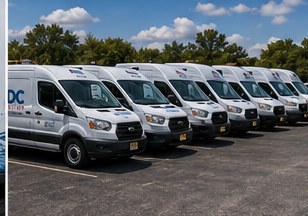
RDC Restoration handles fire and smoke cleanup in Freehold Borough and Freehold Township around the clock. Crews dispatch 24/7 from the Piscataway hub to board up the structure, pump out firefighting water, clean soot from surfaces and ductwork, remove smoke odor with thermal fogging, ozone or hydroxyl treatment, and pack out contents for off-site cleaning. RDC documents the loss and bills insurers directly. Call (908) 253-9000.
Fire & Smoke Damage in Freehold
Fire Damage Restoration in Freehold, From Board-Up to Odor-Free
Fire damage restoration in Freehold starts the moment the fire department clears the scene. Freehold is really two places: the compact borough, with its 19th-century downtown and closely spaced older homes, and the much larger township, where newer subdivisions and shopping corridors spread out along Route 9 and Route 33. Both get fires, but they burn and spread smoke differently, and the cleanup has to match the building.
In the borough, a fire in one room of an older two-story home can push soot up open stairwells, into plaster walls and through balloon-framed cavities that let smoke travel between floors. Homes along the side streets near Main Street often sit close together, so smoke can reach a neighbor's siding or attic vents too. Out in the township, around West Freehold, Elton and Stonehurst, forced-air systems in newer homes can carry fine soot into every bedroom in a single heating cycle. RDC Restoration plans the work around how your particular house is built.
Our crews are IICRC-certified, and RDC has worked across New Jersey for more than 27 years. Freehold is served from our Piscataway hub, and our fire and smoke damage restoration services cover every stage of the mitigation and cleanup: board-up, water extraction, soot removal, deodorization, HVAC cleaning and contents pack-out. RDC does not handle the later repair work. We document the loss in detail so your contractor and your insurance adjuster both know exactly what was affected.
More on Fire & Smoke Damage Restoration →
Local risks
Why Fires in Freehold Homes Leave So Much Smoke Behind
Freehold's housing ranges from century-old borough homes to township colonials built in recent decades. That mix shapes how a fire starts, how far the smoke travels and what has to be cleaned. These are the situations our crews plan for when handling fire damage restoration in Freehold.
Older Borough Wiring
Many homes near downtown Freehold were wired long before modern loads like space heaters, window units and kitchen appliances. Overloaded circuits and aging connections can smolder inside walls, filling cavities with soot and odor long before anyone sees flames in the living space.
Kitchen Fires
A grease fire in a township kitchen may be put out in seconds, yet it leaves a sticky protein or grease residue on cabinets, ceilings and range hoods. That film is hard to see, smells for weeks and needs specific cleaning chemistry rather than ordinary household cleaners.
Chimneys and Fireplaces
Wood-burning fireplaces are common in both older borough homes and newer township houses. Creosote buildup or a cracked flue can send heat and smoke into framing around the chimney, and a puff-back can coat a family room in fine black soot. Heating season also brings frozen lines, covered on our Freehold burst pipe page.
Smoke Through the HVAC
If the furnace or air handler kept running during a fire, it pulled smoke into the return ducts and pushed soot into every room it serves. RDC cleans the duct system so the odor does not return the next time the heat kicks on.
Firefighting Water
Hoses and sprinklers can leave basements and lower floors soaked. Older borough cellars already prone to seepage hold that water longer, so extraction and drying start right away to keep the moisture from turning into a mold problem.
Shared Walls Downtown
Mixed-use buildings and attached homes around Freehold's downtown can share walls, attics or ceilings. Smoke from one unit migrates into the next, so a fire in a single storefront or apartment may require cleaning in spaces the flames never touched.
Freehold
Smoke Odor Removal in Freehold That Treats the Source
Smoke odor removal in Freehold is rarely a matter of opening windows and running fans. Smoke particles are tiny and acidic, and they settle into drywall paper, plaster, carpet padding, insulation and the inside of ductwork. In an older borough home with plaster walls and original hardwood, odor can hide in gaps between floorboards and behind trim. In a newer township house, it tends to settle in carpet, upholstered furniture and the return-air side of the HVAC system.
RDC first removes the soot residue that carries the smell, then treats what remains with thermal fogging, ozone or hydroxyl generators depending on the materials and whether the home is occupied. Thermal fogging follows the same paths smoke took into cavities, while hydroxyl treatment can run with people nearby. Our guide on how professionals remove smoke odor after a fire explains why sprays and candles only cover it up.
- Soot residue cleaned before deodorizing
- Thermal fogging for wall and floor cavities
- Ozone or hydroxyl treatment matched to the space
- HVAC and duct cleaning so odor does not recirculate
Freehold
Fire Damage Cleanup in Freehold After the Engines Leave
Fire damage cleanup in Freehold begins with securing what is left. When the fire department vents a roof or breaks windows to reach a fire, the building is open to rain, wildlife and trespassers. RDC boards up windows and doors and tarps roof openings so the house is protected while you sort out the next steps. Then crews clear charred debris and remove materials that cannot be cleaned, documenting each item for the insurance file. Fire damage restoration in Freehold works best when this first stage is handled carefully, because it protects what can still be saved.
Water is often the bigger mess. Firefighting water runs down through floors and collects in basements, and in the borough's older cellars it can sit against stone or block foundations. RDC extracts it and dries the structure using the same methods described on our Freehold water damage restoration page. If moisture has already lingered, our mold remediation team in Freehold can step in.
- Emergency board-up and roof tarping
- Debris removal with photo documentation
- Firefighting water extraction and structural drying
- Moisture monitoring until materials read dry
Freehold
Soot and Smoke Damage Cleanup in Freehold Homes and Shops
Soot and smoke damage cleanup in Freehold has to happen quickly because soot is acidic. Left on surfaces, it can yellow plastics, pit chrome fixtures, etch glass and stain grout and painted trim. Dry soot from a fast, hot fire wipes differently than the oily residue from a smoldering electrical fire, and using the wrong method can smear it deeper into the surface. RDC tests the residue before choosing dry sponges, cleaning agents or other approaches.
Belongings matter too. RDC inventories, packs out and cleans furniture, electronics, clothing, photos and documents off-site, then returns them once the home is ready. Our article on cleaning and saving contents after a fire covers what can usually be saved. For small businesses along Main Street or in the Route 9 plazas, our commercial restoration work in Freehold follows the same soot protocols on a larger scale.
- Residue tested before cleaning begins
- Walls, ceilings, cabinets and fixtures cleaned
- Contents inventoried and packed out
- Electronics and documents handled separately
First steps
First Steps After a House Fire in Freehold
- Wait for the all-clear. Do not go back inside until the Freehold fire officials say it is safe. Structural damage, live wiring and hidden hot spots can remain after the flames are out, and smoke inside can still be hazardous to breathe.
- Call your insurer and RDC. Report the fire to your insurance company, then call RDC at (908) 253-9000. We can board up the house and start documenting damage while your claim is being opened, which keeps the record clean from the first day.
- Leave the HVAC off. Running the furnace or air conditioning before the ducts are cleaned spreads soot to rooms that may have escaped it. Keep the system off until RDC has inspected the returns, the air handler and the duct runs.
- Avoid wiping soot. Household cleaners and damp rags often smear soot into paint, upholstery and grout. Leave the surfaces alone so our crew can test the residue and pick the right cleaning method for each material.
- Photograph everything. Take photos and video of every room, including contents, before anything is moved or thrown away. Keep receipts for hotel stays, meals and clothing, since many policies reimburse additional living expenses after a covered fire.
How we work
How RDC Handles a Fire Loss in Freehold
1. Secure the Property
Crews board up broken windows and doors and tarp any roof openings left by the fire or by firefighters venting the structure. This protects the home from weather and intruders while the assessment begins. Utilities are checked so the crew can work safely.
2. Assess and Document
We map how far soot, smoke and water reached, test residues and photograph every affected area and item. That record supports your claim and gives your repair contractor a clear, room-by-room scope for the work that follows.
3. Extract and Dry
Firefighting water is pumped out and the structure is dried with air movers and dehumidifiers. Moisture readings are tracked until framing, subfloors and walls are back to normal levels. Wet insulation and padding that cannot be saved are removed.
4. Clean Soot and Contents
Soot and char come off walls, ceilings, fixtures and ductwork using methods matched to the residue. Salvageable belongings are packed out, cleaned and deodorized off-site, then returned. Each item is logged on an inventory.
5. Deodorize and Hand Off
Thermal fogging, ozone or hydroxyl treatment removes remaining odor. We then walk the property with you, confirm the results room by room and hand over the documentation your contractor and adjuster need for the next phase.
Insurance
Fire Insurance Claims for Freehold Homeowners
Most homeowners policies cover sudden fire and smoke damage, along with the water damage caused by putting the fire out. The details vary by carrier, so read your declarations page or ask your agent about dwelling coverage, contents coverage and additional living expenses. Many Freehold families need temporary housing while cleaning is underway, and that last category often helps. If a storm caused the fire, such as a lightning strike, our storm damage team in Freehold can address the wind and rain side of the same loss.
RDC Restoration bills insurance carriers directly whenever possible. We provide the adjuster with photos, moisture logs, contents inventories and a written scope of the mitigation and cleaning we performed. Because RDC does not handle the later repair phase, that same documentation goes to the contractor you choose so nothing gets missed. The U.S. Fire Administration also publishes guidance on recovering after a residential fire.
Nearby
Fire & Smoke Damage across Monmouth County
See the Monmouth County service area, or another town nearby.
Full-service restoration
Other RDC services in Freehold
Water Damage Restoration
Water Damage Restoration in Freehold →Burst Pipe & Winter Water Damage
Burst Pipe & Winter Water Damage in Freehold →Mold Remediation
Mold Remediation in Freehold →Mold Inspection & Testing
Mold Inspection & Testing in Freehold →Basement Waterproofing
Basement Waterproofing in Freehold →Storm Damage
Storm Damage in Freehold →Commercial Restoration
Commercial Restoration in Freehold →Sewage Cleanup
About Sewage Cleanup →Asbestos Testing & Abatement
About Asbestos Testing & Abatement →Hoarding Cleanup
About Hoarding Cleanup →Freehold FAQs
Fire & Smoke Damage in Freehold: common questions
How soon should fire cleanup start in a Freehold home?
As soon as officials allow access. Soot keeps working on surfaces after the fire, and firefighting water starts soaking into framing and flooring right away. RDC dispatches crews 24/7 from Piscataway, so board-up and water extraction can begin the same day you call. Starting quickly limits how much needs to be removed and gives your insurance file a clear record from day one.
Can a small kitchen fire really need professional cleaning?
Often, yes. Even a brief stovetop fire can coat cabinets, ceilings and the range hood with an oily residue that spreads odor through the house. Ordinary cleaners tend to smear it. RDC identifies the type of residue and cleans it properly, then treats the remaining odor so it does not come back on warm or humid days.
Do you clean smoke out of ductwork?
Yes. If the HVAC system ran during or after the fire, soot is likely inside the returns, the air handler and the supply ducts. RDC cleans the system as part of the fire cleanup so smoke odor does not keep blowing into rooms that were otherwise cleaned. Keep the system off until we have inspected it.
Will RDC fix the walls and roof after the cleanup?
No. RDC handles emergency board-up, water extraction, drying, soot cleaning, odor removal and contents pack-out. Repairs to walls, roofing and finishes are done by your own contractor. We give that contractor and your adjuster detailed photos and a written scope so the repair work starts with an accurate picture of the damage.
Do you handle fire losses in towns near Freehold?
Yes. The same crews that work in Freehold Borough and Freehold Township also handle fire damage restoration in Howell and fire damage restoration in Manalapan. We also cover the rest of the county, from the Route 9 corridor to the shore towns, and you can see that broader coverage on the Monmouth County restoration page.
Fire or Smoke Damage in Freehold? Call RDC Now
Crews dispatch 24/7 to Freehold Borough and Freehold Township for board-up, soot cleanup, odor removal and contents pack-out. Call (908) 253-9000 and we will bill your insurer directly.