Cranford, NJ · Union County · Commercial Restoration
Commercial Restoration in Cranford, NJ
RDC Restoration provides commercial restoration in Cranford for downtown storefronts, restaurants, offices, medical suites, apartment buildings and schools. IICRC-certified crews handle water, fire, smoke and mold losses, plan work around your business schedule, and document everything for your commercial carrier. Crews dispatch 24/7 from our Berkeley Heights hub.
- 24/7 Commercial Dispatch
- Large-Loss Capacity
- Phased Work Plans
- Commercial Insurance Billing
Quick answer
RDC Restoration offers commercial restoration in Cranford, NJ 24/7 for water, fire, smoke and mold losses. Crews extract water, dry structures, remove soot and odor, and remediate mold in offices, retail, restaurants, warehouses, medical offices, multifamily buildings and schools. We phase work to keep unaffected areas open, coordinate with tenants and property managers, and bill commercial insurers directly. Call (908) 253-9000.
Commercial Restoration in Cranford
Commercial Restoration in Cranford That Keeps Doors Open
Commercial restoration in Cranford covers a wide range of buildings in a compact township. Downtown Cranford has independent shops, restaurants and offices above storefronts close to the river. Beyond the center are office buildings, light-industrial and warehouse space, medical practices, apartment buildings near the train station, public schools and a college campus. Each has its own tolerance for downtime. A boutique on the main shopping blocks may lose a weekend of sales, while a medical office may have to reschedule a full calendar of patients.
Location adds pressure. The Rahway River runs right past the downtown business district, and low ground plus a high water table mean basements and ground-floor spaces can take water in heavy rain. Many downtown buildings are older, with shared walls and a mix of retail and residential use, so a leak or fire in one space quickly becomes a problem for the neighbors. Commuter foot traffic around the train station also means downtown businesses feel any closure quickly.
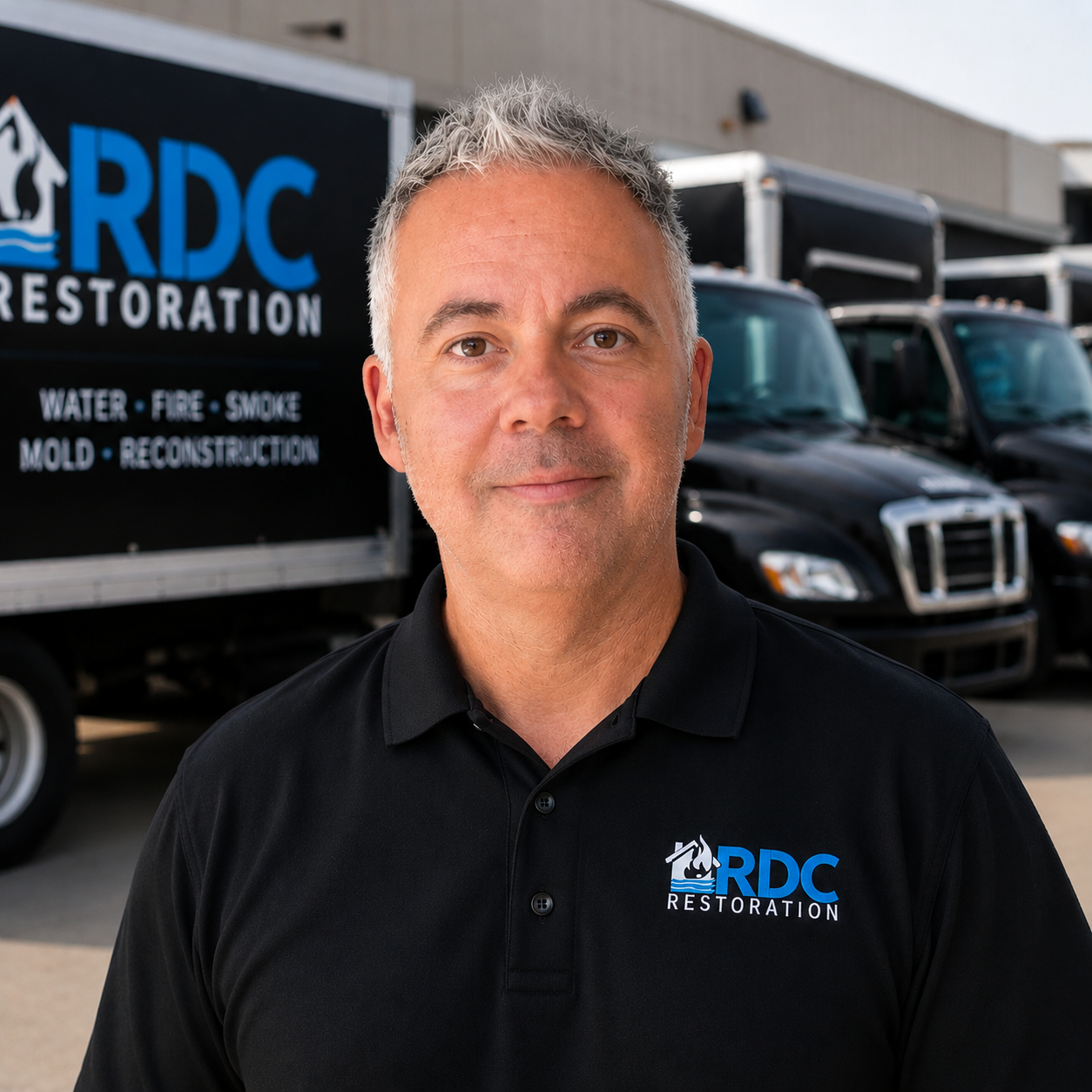
RDC Restoration has handled New Jersey commercial losses for more than 27 years. We serve Cranford from our Berkeley Heights hub in Union County, and our commercial restoration services scale from a single flooded suite to a large-loss event. We mitigate, clean and dry, then hand the space to your contractor for permanent repairs along with detailed documentation.
More on Commercial Restoration →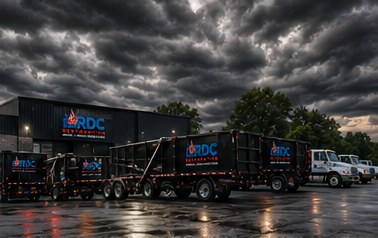
Local risks
What Puts Cranford Businesses at Risk
The same features that make Cranford a good place to run a business, a walkable river downtown, older buildings with character and steady commuter traffic, also create specific risks. Here is where commercial losses in town tend to come from.
Downtown Near the River
Shops and restaurants close to the Rahway River face basement flooding and seepage when the river runs high. Stockrooms, mechanical rooms and walk-in coolers in those basements are often the first things damaged.
Restaurant Kitchens
Cooking fires, greasy hoods and failed dishwasher or ice-machine lines are common restaurant losses. Our guide to restaurant water damage covers how owners can protect the kitchen and dining room while cleanup is underway.
Mixed-Use Buildings
Many downtown buildings have retail on the ground floor and apartments or offices above. A leak upstairs can soak the storefront ceiling below, and a fire in one unit can smoke out the whole building, so every party needs clear records.
Medical and Dental Offices
Clinics depend on clean, dry, controlled rooms. Water or mold in an exam room or waiting area can force canceled appointments. We contain work areas so unaffected rooms can keep seeing patients when it is safe to do so.
Schools and Campus Buildings
School buildings and the college campus in town have large footprints, flat roofs and long hallways. Roof leaks and pipe failures can spread across several classrooms, and work often has to be scheduled around class days and events.
Warehouses and Light Industrial
Larger buildings on the township's commercial corridors can take on water across wide floor areas from roof drains, sprinkler lines or storm runoff. High-capacity extraction and drying keep inventory and equipment losses down.
Cranford
Commercial Water Damage Restoration in Cranford Storefronts and Offices
Water is the most frequent commercial loss we see. Commercial water damage restoration in Cranford often starts with a burst supply line over a retail ceiling, a backed-up floor drain in a restaurant, or river-driven seepage into a downtown basement. The goal is to stop the water, extract it and get drying equipment running before inventory, flooring and drywall are ruined. In restaurants and grocery spaces, health inspection requirements add another layer, so cleaning and sanitizing are documented step by step.
We map moisture through walls and floors, set commercial air movers and dehumidifiers, and monitor readings daily. When possible, we contain the wet zone so the rest of the business stays open. Landlords with residential units can point tenants to our water damage restoration in Cranford page, which explains what to expect at home. For warehouses and larger floors, scalable crews and high-capacity equipment cover wide areas without shutting down the whole building.
- Moisture mapping across floors and walls
- Commercial extraction and drying equipment
- Containment so other areas keep operating
- Daily readings shared with the property manager
Cranford
Commercial Mold Remediation in Cranford Buildings
Older buildings, damp basements and a high water table give mold an easy start. Commercial mold remediation in Cranford follows IICRC practices, and our team also holds NORMI credentials: isolate the area under containment, remove contaminated materials, HEPA vacuum and clean surfaces, then dry the space so growth does not come back. Basement storage rooms and older HVAC systems in downtown buildings are frequent starting points.
In occupied buildings, containment is what lets work go on next door. Offices, medical suites and classrooms outside the work zone can usually keep running. We also look for the moisture source, whether that is basement seepage, a slow roof leak or condensation on cold pipes. For apartments and smaller spaces, our mold remediation in Cranford page covers the residential side. Clear notes on containment and clearance help when tenants, employees or patients ask questions.
- Containment to protect occupied areas
- Removal of contaminated materials
- HEPA vacuuming and surface cleaning
- Moisture source identified and documented
Cranford
Commercial Fire Damage Restoration in Cranford
A kitchen fire in a downtown restaurant or an electrical fire in an office suite can shut down more than one business. Commercial fire damage restoration in Cranford starts with board-up and securing the space, then moves to soot removal, smoke odor treatment, duct cleaning and cleaning of inventory, files and equipment. In a restaurant, hood systems, ceiling tiles and dining room fabrics usually need attention well beyond the kitchen itself.
Shared walls and ceiling spaces mean smoke often reaches adjoining tenants, so we document each space separately for every owner and insurer. Homeowners in town are covered by our fire damage restoration team in Cranford. Owners with properties in more than one town can also call us for commercial restoration in Elizabeth. The same goes for commercial restoration in Westfield. Sensitive equipment and paper records are handled with care and inventoried.
- Board-up and site security
- Soot and smoke residue removal
- Odor treatment and duct cleaning
- Cleaning of inventory, files and equipment
First steps
First Moves for Cranford Business Owners and Property Managers
- Make the space safe. Clear staff, customers and tenants from affected areas. Shut off water at the main or sprinkler valve if you know where it is, and keep everyone away from wet electrical panels and equipment.
- Call RDC 24/7. Call (908) 253-9000 at any time. Tell us the building type, what happened and which areas are still operating, so the crew arrives with the right equipment and a plan to protect open areas.
- Notify tenants and neighbors. In mixed-use and multi-tenant buildings, let affected tenants and adjoining businesses know right away. Leaks travel through ceilings and shared walls, and early notice helps everyone document their own damage.
- Document before cleanup. Photograph damaged inventory, equipment, ceilings and floors. Keep records of closures and canceled appointments, since business interruption claims depend heavily on that information. Note the date and time you first found the damage.
- Move critical items. If it is safe, move files, computers, medical supplies or high-value stock out of the affected area. Do not power on wet equipment until it has been checked by a qualified technician.
How we work
How We Run a Commercial Job in Cranford
1. Mobilize
A crew and commercial equipment are dispatched 24/7, sized to the loss. We meet the owner, manager or facilities lead on site and agree on access, contacts and which areas must stay open.
2. Assess and Stabilize
We classify the damage, map moisture, stop the source and secure openings. Every area is photographed and logged in a format that commercial adjusters can work with. We share that log with you.
3. Phase the Work
Work zones are contained and scheduled around your business where possible, including nights and weekends. Parts of the building keep running while affected areas are dried and cleaned. Access stays clear.
4. Mitigate
Extraction, structural drying, soot removal, deodorizing and mold remediation proceed under IICRC practices, with daily monitoring and regular updates to the property manager. Unaffected areas stay protected throughout.
5. Close Out
We verify dry readings, clean the space and deliver a complete file of photos, readings and scope notes. Permanent repairs then go to your general contractor or facilities team.
Insurance
Commercial Insurance Documentation for Cranford Properties
Commercial claims often involve more than one policy: the building owner's property coverage, a tenant's contents and business interruption coverage, and sometimes a neighbor's policy when the loss started next door. We document each affected space separately with photos, moisture logs and itemized scope notes, so each carrier sees what applies to its insured. Business interruption claims depend on knowing when work started, which areas were closed and when they reopened, so we keep a dated log from the first visit.
RDC bills commercial carriers directly wherever possible and works with adjusters, brokers and property managers. Our article on limiting downtime after a commercial loss explains how mitigation records support interruption claims. We bring the same approach to water damage restoration throughout Union County.
Nearby
Commercial Restoration across Union County
See the Union County service area, or another town nearby.
Full-service restoration
Other RDC services in Cranford
Water Damage Restoration
Water Damage Restoration in Cranford →Burst Pipe & Winter Water Damage
Burst Pipe & Winter Water Damage in Cranford →Mold Remediation
Mold Remediation in Cranford →Mold Inspection & Testing
Mold Inspection & Testing in Cranford →Basement Waterproofing
Basement Waterproofing in Cranford →Fire & Smoke Damage
Fire & Smoke Damage in Cranford →Storm Damage
Storm Damage in Cranford →Sewage Cleanup
About Sewage Cleanup →Asbestos Testing & Abatement
About Asbestos Testing & Abatement →Hoarding Cleanup
About Hoarding Cleanup →Cranford FAQs
Commercial Restoration in Cranford: common questions
Can my business stay open during commercial restoration in Cranford?
Often, yes. We contain the affected area, run equipment in closed zones and schedule noisy or dusty work around your business. Whether customers can be on site depends on the type of damage. A small water loss in a back room is very different from smoke throughout a restaurant, and we will tell you plainly what is safe.
Do you work nights and weekends?
Yes. Crews dispatch 24/7, and much of our commercial work downtown is scheduled after closing or before opening so shops, restaurants and offices lose as little business as possible. Drying equipment can run overnight and be repositioned before staff arrive when that helps the operation. Tell us your opening and closing times up front.
Who coordinates with tenants in a multi-unit building?
We work through the owner or property manager and keep tenants informed about access, equipment and scheduling. Each unit's damage is documented separately. That helps when a loss spreads between apartments above downtown storefronts or between suites in an office building, because each policy only covers its own space. Tenants get a single point of contact.
What about storm or frozen-pipe damage to a commercial building?
We handle both. Roof leaks and flooding from severe weather fall under our storm damage restoration in Cranford. Winter sprinkler and supply-line breaks are covered by our burst pipe water damage service in Cranford. Either way, the commercial documentation is the same. We can also coordinate with your fire protection contractor and roofer so their repair work and our drying are sequenced properly.
Will RDC repair the building after mitigation?
No. RDC handles emergency mitigation, drying, cleaning, mold remediation and fire cleanup. Repairs and finish work belong to your general contractor or facilities team. Our photos, moisture readings and scope notes give them, and your insurer, a clear picture of what was damaged and what was done.
Commercial Damage in Cranford? Call RDC
Crews dispatch 24/7 for water, fire, smoke and mold losses at Cranford businesses. Call (908) 253-9000 to stabilize the property and start the claim file.