
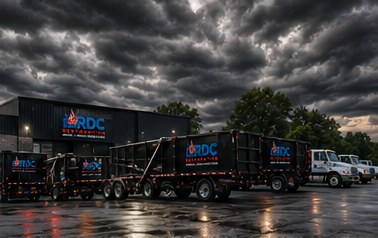
East Windsor, NJ · Mercer County · Fire & Smoke Damage
Fire & Smoke Damage Restoration in East Windsor, NJ
RDC Restoration provides fire damage restoration in East Windsor for Twin Rivers townhouses, Route 130 businesses and older farmhouses near Etra. IICRC-certified crews board up openings, extract firefighting water, remove soot and clear smoke odor, dispatching 24/7 from our Piscataway hub.
- 24/7 Board-Up
- IICRC-Certified Crews
- Smoke Odor Removal
- Direct Insurance Billing
Quick answer
RDC Restoration handles fire and smoke damage in East Windsor, NJ around the clock. Crews secure the building with board-up and tarps, pump out the water left by firefighters, remove acidic soot, deodorize with thermal fogging, ozone or hydroxyl treatment, and pack out belongings for cleaning. We document the loss and bill your insurer directly. Call (908) 253-9000 any time, day or night.
Fire & Smoke Damage in East Windsor
Fire Damage Restoration in East Windsor, Done Right the First Time
Fire damage restoration in East Windsor looks different from street to street. Twin Rivers, one of the country's early planned communities, is built around attached townhouses and condominiums, so a kitchen fire in one unit can push smoke through shared attic spaces and wall cavities into the homes next door. Out toward Etra and along Old Trenton Road, older farmhouses bring their own risks: dated wiring, wood stoves and chimneys that have been in service for generations.
Whatever the building, the damage keeps going after the fire trucks pull away. Soot is acidic and starts etching glass, chrome, grout and appliance finishes almost immediately. Smoke rides the HVAC system into closets and bedrooms that never saw a flame. The water firefighters used soaks drywall, insulation and subflooring, and in a township with a high water table and damp basements, that moisture has every chance to turn into mold.
RDC Restoration has spent more than 27 years cleaning up after fires across New Jersey, and East Windsor is served from our Piscataway location. Our crews are IICRC-certified, with NORMI and AHERA credentials for the mold and asbestos questions that sometimes surface in older homes. You can read how the full service works on our fire and smoke damage restoration page. Here, we focus on what East Windsor homeowners and landlords run into after a fire.
More on Fire & Smoke Damage Restoration →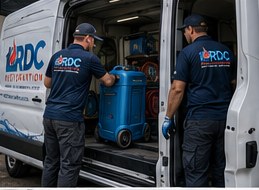
Local risks
Why Fires Hit East Windsor Homes the Way They Do
East Windsor mixes dense attached housing, newer subdivisions and farm-era houses on flat, low ground. That mix shapes how smoke spreads, how long firefighting water lingers and what has to be cleaned up before an owner's own contractor can start any repairs.
Shared walls in Twin Rivers
Attached townhouses and condo buildings let smoke and soot slip through common attics, pipe chases and party walls. A fire in one unit often means odor and residue in neighboring units, and each owner may be dealing with a separate insurance claim.
Farmhouse wiring and chimneys
Older homes near Etra and Hickory Corner can have wiring that predates modern loads, plus fireplaces and wood stoves that see heavy winter use. Chimney and electrical fires tend to start inside walls, so smoke damage hides behind finished surfaces.
Kitchen fires everywhere
Cooking is a leading cause of home fires according to the NFPA. Grease and stovetop fires leave a sticky residue that ordinary cleaners smear instead of lifting, so cabinets, range hoods and ceilings need specific cleaning methods.
Smoke through forced-air HVAC
Most East Windsor homes heat and cool with forced air. If the system ran during or after the fire, it carried fine soot into ductwork and every room it serves. Cleaning the ducts is part of getting rid of the smell for good.
Firefighting water on low ground
Flat terrain and a high water table mean basements here already fight moisture. Add the water used to put out a fire and drying becomes urgent. Our Mercer County water damage crews dry wet framing and carpet before mold starts.
Open buildings after the fire
Firefighters often break windows, vent roofs and force doors. Once they leave, that opening invites rain, animals and trespassers. Board-up and tarping keep the structure secure while the insurer and your contractor assess the damage.
East Windsor
Smoke Odor Removal in East Windsor That Treats the Source
Smoke odor removal in East Windsor starts with finding where the smell actually lives. Smoke particles settle into drywall paper, carpet pad, insulation and the inside of ductwork. Air fresheners and an open window only cover it for a day or two. In Twin Rivers townhouses, we often check the adjoining walls and attic space too, since odor moves along the same paths smoke did. Basement storage and finished lower levels in subdivisions off Route 130 hold odor in boxes and fabric as well.
Our crews remove the residue first, then deodorize using thermal fogging, ozone or hydroxyl treatment depending on the material and whether the home is occupied. Surfaces where odor penetrated deeply may be sealed after cleaning. For a homeowner-friendly overview of why the smell comes back when it is only masked, see our guide on how to remove smoke odor after a fire. We recheck the space before calling the job finished.
- Residue removed before any deodorizing
- Thermal fogging, ozone or hydroxyl treatment
- HVAC and duct soot cleaning
- Neighboring units checked in attached housing
East Windsor
Fire Damage Cleanup in East Windsor, From Board-Up to Pack-Out
Fire damage cleanup in East Windsor begins with making the property safe and secure. We board broken windows and doors, tarp vented roofs, and pull out charred debris so the crew can see what is salvageable. Then we extract the firefighting water and set drying equipment, because wet materials left in a basement on this township's high water table can turn a fire claim into a mold problem. Every step is photographed for the claim.
Belongings are inventoried and packed out for off-site cleaning and deodorizing, then returned. That matters for families who need to keep living nearby, whether with relatives in Hightstown or in temporary housing. If water spread well beyond the burn area, our East Windsor water damage restoration team handles the drying side with moisture readings until the structure is back to standard. Items that cannot be saved are listed and photographed for your adjuster.
- Emergency board-up and roof tarping
- Debris and char removal
- Firefighting water extraction and drying
- Contents inventory, pack-out and cleaning
East Windsor
Soot and Smoke Damage Cleanup in East Windsor for Every Surface
Soot and smoke damage cleanup in East Windsor is not one product and a sponge. Dry soot from a fast, hot fire behaves differently from the oily, smeary residue a smoldering electrical fire leaves in an older farmhouse. Using the wrong method can push soot deeper into paint or porous stone. We test surfaces first, then choose dry sponges, HEPA vacuuming or wet cleaning to match. Painted walls, unfinished framing and textured ceilings each get their own approach.
Timing matters because soot is acidic. Bathroom fixtures, window glass, metal hardware and electronics can pit or discolor if residue sits for days. Upholstery, clothing and documents get handled separately, which our article on cleaning contents after a house fire explains in more detail. After the soot is gone and surfaces pass inspection, we hand you and your contractor documentation of what was cleaned and what needs replacement. That record keeps the next steps clear.
- Surface testing before cleaning
- HEPA vacuuming and dry soot sponges
- Wet cleaning for oily residue
- Protection of glass, metal and fixtures
First steps
First Steps After a House Fire in East Windsor
- Wait for the all-clear. Do not go back inside until the East Windsor fire officials say the building is safe. Structural damage, hot spots and smoke can still be present even when the fire looks out from the street.
- Call your insurer and RDC. Report the loss to your insurance company, then call (908) 253-9000. We dispatch 24/7 to board up and tarp, which protects the building and shows the insurer you acted to prevent further damage.
- Leave the HVAC off. Running the furnace or air conditioning spreads soot through every duct and room. Keep the system off until it has been inspected and cleaned, even if the house feels cold or stuffy.
- Hold off on wiping soot. Household cleaners and rags often smear soot into paint, fabric and grout, making it permanent. Let a trained crew test the residue and choose the right cleaning method first. It also keeps more items salvageable.
- Photograph and list belongings. Take photos of each room and make a rough list of damaged items before anything is moved. That record helps your adjuster and makes the pack-out inventory easier to match to your claim.
How we work
How RDC Restoration Handles a Fire Loss in East Windsor
1. Secure the property
Our crew boards up broken windows and doors and tarps any opening in the roof. In attached Twin Rivers buildings, we coordinate with the association so common areas are protected along with your unit.
2. Assess and document
We map how far soot, smoke and water traveled, take photos and moisture readings, and record everything in a format your insurance adjuster can use. Nothing is thrown out before it is documented.
3. Extract water and dry
Firefighting water is pumped out and the structure is dried with commercial air movers and dehumidifiers. Readings are taken until materials return to normal, which helps keep mold from following the fire.
4. Clean soot and pack out
Char and soot are removed from walls, ceilings and ductwork. Salvageable contents are inventoried, packed out, cleaned and deodorized off-site, then returned when the home is ready for them. Each item is checked for odor first.
5. Deodorize and hand off
We treat lingering odor at the source, confirm the space is clean, and give you and your contractor a clear record of what remains. Repairs and replacement work then belong to the contractor you choose.
Insurance
Fire Insurance Claims in East Windsor: What to Expect
Most homeowner and landlord policies cover sudden fire, the smoke and soot it leaves, and the water used to put it out. Coverage details vary by policy, so read yours and ask your adjuster about additional living expenses if you cannot stay in the home. RDC Restoration bills insurance carriers directly, so there is less paperwork on your plate.
Condo and townhouse owners in Twin Rivers should know that the association's master policy may cover parts of the building while your own policy covers the interior and your belongings. We document each area separately so both adjusters can see what they are responsible for. If the fire started in a shop or office along Route 130, our commercial restoration in East Windsor page explains how we work around a business. Our photos, moisture logs and contents inventory also give your contractor a clean starting point once cleanup and mitigation are finished. Thorough records are a big part of fire damage restoration in East Windsor.
Nearby
Fire & Smoke Damage across Mercer County
See the Mercer County service area, or another town nearby.
Full-service restoration
Other RDC services in East Windsor
Water Damage Restoration
Water Damage Restoration in East Windsor →Burst Pipe & Winter Water Damage
Burst Pipe & Winter Water Damage in East Windsor →Mold Remediation
Mold Remediation in East Windsor →Mold Inspection & Testing
Mold Inspection & Testing in East Windsor →Basement Waterproofing
Basement Waterproofing in East Windsor →Storm Damage
Storm Damage in East Windsor →Commercial Restoration
Commercial Restoration in East Windsor →Sewage Cleanup
About Sewage Cleanup →Asbestos Testing & Abatement
About Asbestos Testing & Abatement →Hoarding Cleanup
About Hoarding Cleanup →East Windsor FAQs
Fire & Smoke Damage in East Windsor: common questions
Do you handle fires in Twin Rivers condos and townhouses?
Yes. Attached housing is common in East Windsor, and fire in one unit often sends smoke into the units around it. We clean and deodorize the affected unit, check shared attics and walls, and document each area separately so the owner's policy and the association's master policy can each be handled correctly.
Can my furniture and clothing be saved after a fire?
Often, yes, especially items that were damaged by smoke rather than flame. We inventory and pack out salvageable belongings, clean and deodorize them off-site, and return them when the home is ready. Acting quickly helps, because acidic soot can permanently stain fabric and finishes the longer it sits. Hard-to-replace items like photos and documents get extra attention.
Why does my house still smell like smoke after cleaning?
Smoke odor sinks into drywall, insulation, carpet pad and ductwork, so surface cleaning alone usually leaves the smell behind. We remove the residue, clean the HVAC system, and deodorize with thermal fogging, ozone or hydroxyl treatment. Deeply affected surfaces may also be sealed after they are cleaned. We recheck before we leave.
Will you repair the walls and roof after the fire?
No. Our fire damage restoration in East Windsor focuses on emergency board-up, water extraction, drying, soot cleanup, odor removal and contents cleaning. Once the property is clean and stable, repairs go to the contractor you hire. We give that contractor and your insurer detailed documentation of the damage so they can scope the repair work.
Do you serve towns near East Windsor too?
Yes. East Windsor is covered from our Piscataway hub, and the same crews handle fire damage restoration in Hamilton (Mercer County) and fire damage restoration in Princeton, along with the rest of Mercer County. Neighbors in Hightstown, Robbinsville and West Windsor can reach the same 24/7 line at (908) 253-9000.
Fire Damage in East Windsor? Call RDC Now
Crews dispatch 24/7 to board up, dry out and clean your home or rental. For storm-related losses see our East Windsor storm damage page, or call (908) 253-9000.