

RDC Restoration Blog · New Jersey
Mold Remediation Attic Guide: What NJ Homeowners Need to Know
Why Does My Attic Have Mold and What Should I Do?
Mold remediation attic work is needed when trapped moisture from poor ventilation, roof leaks, or bathroom exhaust fans venting into the attic space creates the damp, dark conditions mold needs to grow on wood sheathing and insulation. The fix involves identifying and stopping the moisture source first, then safely removing and treating the affected materials so the mold doesn’t return.
- Check your attic for dark staining on the underside of the roof deck
- Note any musty odor noticeable from the hallway below the attic hatch
- Schedule a mold inspection before attempting any DIY cleanup
How Mold Gets Started in a New Jersey Attic
Attics are naturally vulnerable to moisture problems because they sit at the top of the house, where warm, humid air rises and condenses against cooler roof surfaces. In New Jersey, this is made worse by our humid summers and cold winters, both of which create conditions for condensation on the underside of the roof deck. The EPA’s guidance on mold growth notes that mold needs only a moisture source, an organic surface like wood or paper-faced insulation, and time to establish a colony.
Common culprits we find during attic inspections include bathroom exhaust fans vented directly into the attic instead of outside, roof leaks around flashing or vent boots, blocked soffit vents that trap humid air, and poor attic insulation that lets warm, moist household air migrate upward. Ice dams in winter can also force water back under shingles, soaking the decking below.
Once a leak or ventilation problem goes unnoticed, mold can spread across large sections of roof sheathing within weeks, particularly during warmer months. Homeowners often discover it only when replacing insulation, inspecting before a roof replacement, or noticing a musty smell drifting down from the attic hatch.
Signs You Need Mold Remediation in Your Attic
Attic mold is not always visible from the living space below, which is why many homeowners miss it until it has spread significantly. Knowing the early warning signs helps you catch the problem before it affects larger areas of the roof structure or indoor air quality.
- Musty odor: A persistent damp or earthy smell noticeable near the attic access hatch or upstairs closets.
- Dark staining: Black, green, or brown patches on roof rafters, sheathing, or the back side of insulation.
- Visible condensation: Beads of moisture on nails, roofing felt, or metal vent pipes during colder months.
- Sagging or discolored drywall: Ceiling stains in upper-floor rooms that trace back to an attic leak.
- Allergy symptoms: Household members experiencing increased sneezing, coughing, or respiratory irritation at home.
If you notice any of these signs, it is worth reading our guide on what to do when you find mold before disturbing the area further, since improper handling can spread spores into the rest of the house.
What Mold Remediation Attic Work Actually Involves
A proper mold remediation attic project is not simply spraying a cleaner on visible staining. It is a structured process designed to remove mold safely, stop it from spreading, and correct the underlying moisture issue so it does not return.
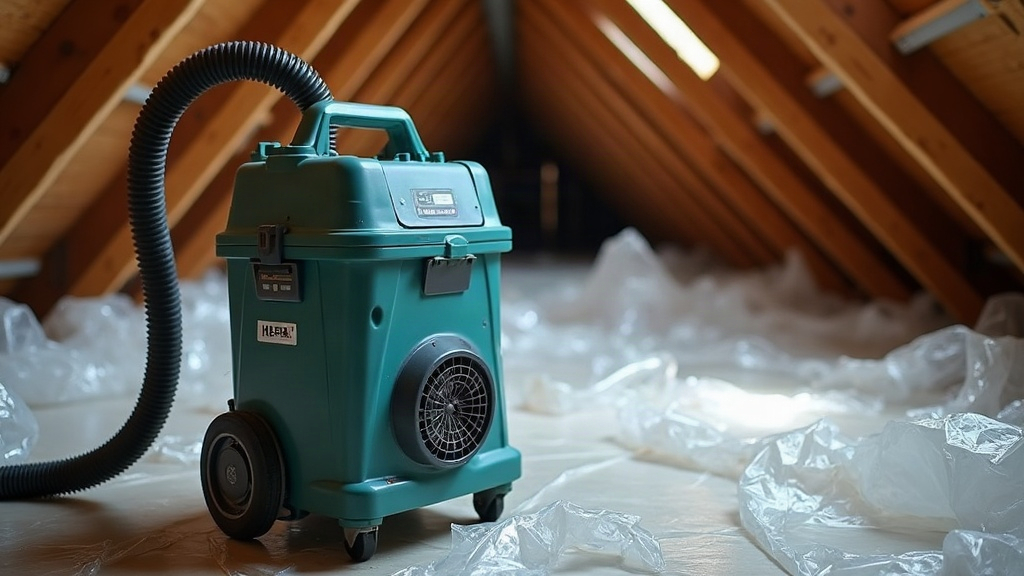
We generally follow IICRC-based industry guidelines, which include containing the work area with plastic sheeting, using negative air pressure and HEPA filtration to prevent spores from traveling into living spaces, and physically removing mold-affected materials that cannot be cleaned, such as saturated insulation. Non-porous surfaces like roof sheathing and rafters are typically HEPA vacuumed, cleaned with antimicrobial treatments, and in some cases media blasted (using soda or dry ice) to remove staining without damaging the wood. After cleaning, we recommend post-remediation verification testing to confirm the space is clear before insulation is replaced and the attic is closed back up.
Throughout the process, we also identify and address the root cause, whether that means rerouting a bathroom fan vent, repairing a roof leak, improving soffit and ridge ventilation, or adding a vapor barrier. Skipping this step is the most common reason attic mold returns after a cleanup.
Mold Remediation Attic Cost Factors
Every attic is different, so remediation scope depends on the size of the affected area, how long the moisture problem went unaddressed, and whether insulation or structural wood needs to be replaced. We never quote a project without first inspecting the space, since what looks like minor surface staining can sometimes indicate a larger moisture problem hidden behind insulation or in hard-to-reach eaves.
Rather than guessing at a number online, the most reliable way to understand what your specific situation will involve is through a professional mold inspection and testing visit, which identifies the extent of growth and the moisture source driving it.
Preventing Mold Remediation Attic Needs in the Future
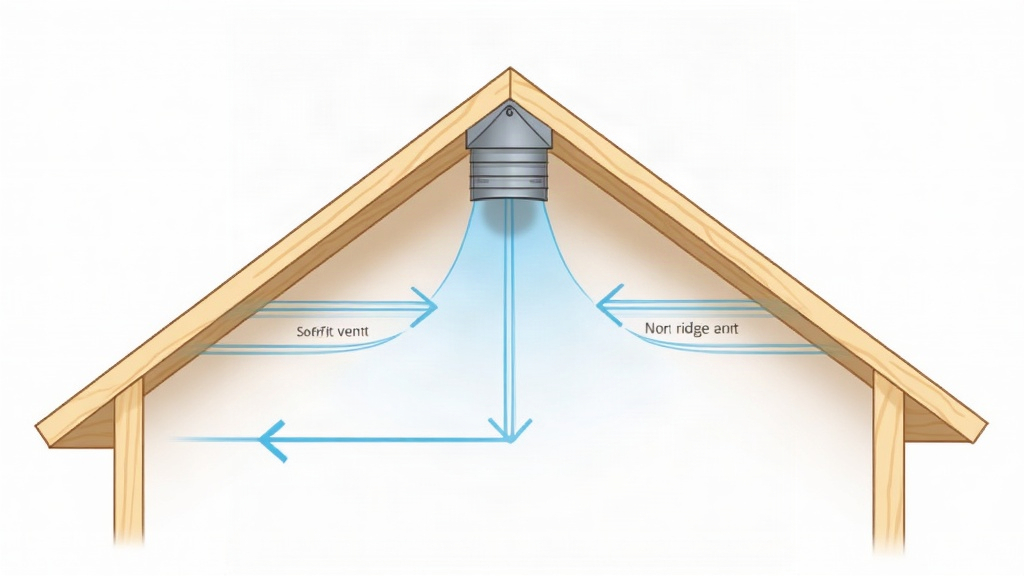
Once an attic has been remediated, the goal shifts to keeping it that way. Good attic ventilation, balanced intake at the soffits and exhaust at the ridge or gable vents, is one of the most effective long-term defenses, since it keeps humid air moving instead of settling against the roof deck.
Seasonal habits matter too. Summer humidity is a particular challenge in New Jersey, and our article on preventing mold in a humid NJ summer covers practical steps like managing indoor humidity levels and keeping attic vents clear of insulation or debris. Homeowners should also check attic spaces after any roof work, storm, or ice dam event, since even small leaks left unaddressed for a season can lead to a much larger remediation project later. If your home has a finished basement or crawlspace, it is worth reviewing our guide to basement mold signs and health risks as well, since whole-home moisture control works best when every level of the house is considered together.
| Step | What Happens | Why It Matters |
|---|---|---|
| 1. Inspection | Visual assessment and moisture mapping of rafters, sheathing, and insulation | Identifies full scope and root moisture source |
| 2. Containment | Plastic sheeting and negative air pressure set up around the work zone | Prevents spores from spreading to living areas |
| 3. Removal | Affected insulation and unsalvageable materials are bagged and removed | Eliminates material that cannot be fully cleaned |
| 4. Cleaning | HEPA vacuuming and antimicrobial treatment of wood surfaces | Removes spores and staining from remaining structure |
| 5. Source correction | Vent rerouting, leak repair, or ventilation upgrades | Stops the conditions that allowed mold to grow |
| 6. Verification | Post-remediation testing confirms the attic is clear | Confirms the space is safe before closing it back up |
Frequently asked questions
What’s the difference between mold removal and mold remediation?
Mold removal typically refers to physically removing visible mold from a surface, while mold remediation is the broader, structured process of containing the area, removing affected materials, cleaning remaining surfaces, verifying the results, and correcting the moisture source that caused the mold in the first place. Remediation is designed to prevent regrowth, not just clean what’s visible.
What is the typical cost of mold remediation?
We don’t publish set pricing because mold remediation cost depends heavily on the size of the affected area, the materials involved, and how extensive the moisture damage is. The only accurate way to know what your situation involves is through an in-person inspection, which lets us assess the scope before providing a project estimate.
What is the best company for mold remediation?
Look for a company that follows IICRC industry guidelines, is a licensed contractor in your state, and performs a thorough inspection before starting any work. We are an IICRC-certified firm and a licensed New Jersey contractor, and we recommend homeowners always verify licensing and ask about the specific remediation process before hiring anyone.
How much does mold remediation cost for a whole house?
Whole-house mold remediation cost varies widely depending on how many areas are affected, such as the attic, basement, and living spaces, and the extent of material removal needed in each. Because every home differs, we provide project-specific estimates only after a complete inspection rather than a general figure.
What if you can’t afford mold remediation?
If cost is a concern, start with a professional mold inspection to understand the true scope, since some situations are smaller than homeowners initially fear. Ask about phased remediation plans that address the most urgent health and structural risks first, and check whether your homeowner’s insurance policy covers any portion of the damage, particularly if it stems from a covered water event.
Mold in your attic? Get it handled right.
RDC Restoration answers 24/7 with IICRC-certified crews from Piscataway & Berkeley Heights. Fast response, direct insurance billing.