
RDC Restoration Blog · New Jersey
Cost for a Mold Inspection in NJ: What Affects the Price
What Determines the Cost for a Mold Inspection?
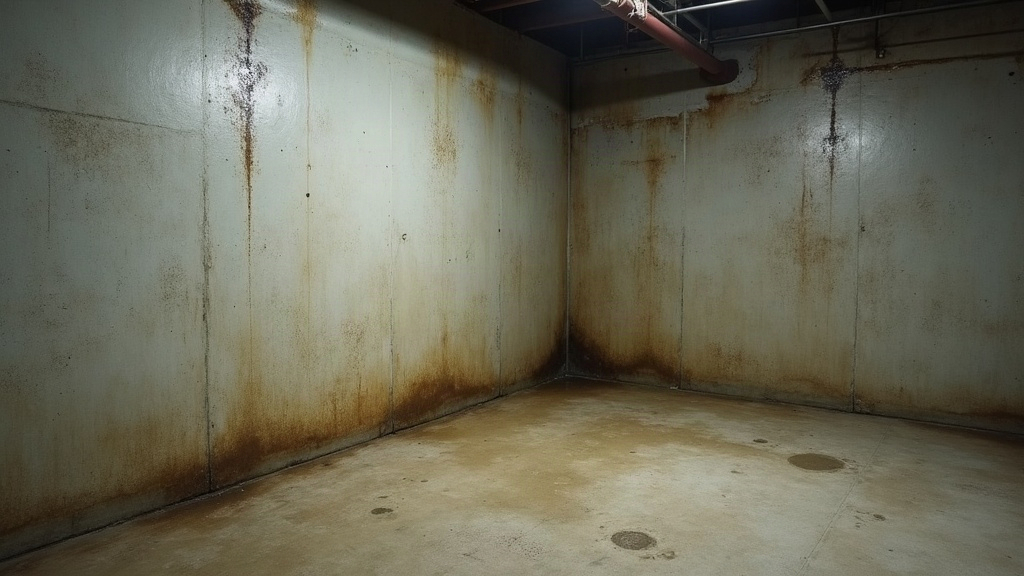
The cost for a mold inspection depends on the size of your property, how many areas need to be checked, and whether air or surface sampling is required beyond a visual assessment. A small, single-area visual inspection typically runs less than a whole-house evaluation with lab-tested samples from multiple rooms.
- Note any musty odors, water stains, or recent leaks before calling an inspector.
- Ask whether the quote includes a visual-only check or lab-tested samples.
- Request a written scope of work so you know exactly what’s being inspected.
Why Mold Inspection Costs Vary So Much
No two mold inspections look exactly alike, which is why pricing can feel unpredictable if you haven’t been through the process before. A rowhome in Newark with a single damp corner in the basement requires far less time and equipment than a large Monmouth County property with multiple suspected moisture sources. Inspectors also factor in travel, accessibility of crawl spaces or attics, and whether the home has a history of water damage.
Another major variable is testing method. A visual inspection paired with moisture meter readings is generally the most affordable starting point. Adding air sampling or surface swabs sent to an independent lab increases the cost because those samples require analysis time and specialized equipment. We always explain upfront which approach fits the situation so homeowners aren’t paying for lab work they don’t need.
Homes with a documented leak, recent flooding, or sewer backup often need a more thorough inspection simply because contamination can spread further than it appears on the surface. If you’re dealing with a recent water event, our guide on what to do when you find mold walks through the immediate steps to take before an inspector even arrives.
What’s Typically Included in a Mold Inspection
A thorough inspection goes beyond a quick walkthrough. Most inspections include a visual assessment of visible surfaces, moisture meter readings on walls and flooring, and a check of HVAC systems where airborne spores can circulate. Many inspectors also document humidity levels throughout the home, since the EPA notes that indoor relative humidity above 60% creates conditions favorable to mold growth (EPA Mold Course, Chapter 2).
If sampling is part of the scope, technicians may collect air samples from several rooms and compare them against outdoor baseline air, or take surface samples from suspicious staining. Results typically take a few business days to come back from the lab. For a full breakdown of our process in the region, see our page on mold inspection and testing in New Jersey.
Visual Inspection vs. Lab Testing
A visual inspection relies on trained observation: staining, discoloration, musty odors, and moisture readings. Lab testing adds a layer of certainty by identifying the type of mold present and confirming whether airborne spore counts are elevated. Homeowners selling a property, dealing with respiratory symptoms, or managing an insurance claim often opt for lab testing because it provides documented evidence rather than a judgment call.

Cost for a Mold Inspection: Key Price Factors
When homeowners ask about the cost for a mold inspection, we walk them through the specific factors that shape the final number rather than quoting a flat rate that doesn’t reflect their home. These factors include square footage, the number of suspected problem areas, accessibility of crawl spaces or attics, and whether lab-confirmed sampling is requested.
- Property size: Larger homes take more time to inspect thoroughly, especially multi-level houses with basements and attics.
- Number of suspect areas: A single bathroom leak is a narrower scope than a whole-house assessment after a flood.
- Testing type: Visual-only assessments are generally less involved than air or surface sampling sent to a lab.
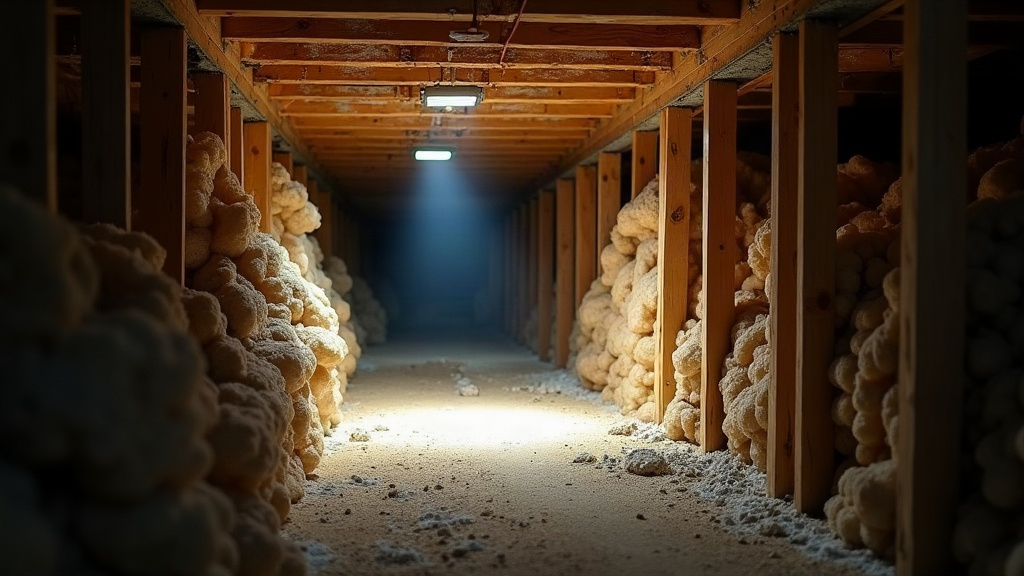
- Accessibility: Tight crawl spaces, finished walls, or hard-to-reach attics can add time to the inspection.
- Urgency: Same-week or emergency scheduling after a water event may affect availability and scope.
Because every property is different, we recommend scheduling an on-site evaluation rather than relying on a generic phone estimate. This ensures the quote reflects your actual home, not an average.
When a Mold Inspection Makes Sense
Not every musty smell requires a full inspection, but certain warning signs are worth taking seriously. Persistent odors, visible discoloration on walls or ceilings, recent flooding, or ongoing humidity problems are all reasons to schedule an evaluation. Homes in coastal Monmouth and Ocean County towns, where humidity and storm exposure are higher, often benefit from periodic checks even without obvious symptoms.
If you’ve recently dealt with basement flooding or chronic dampness, our article on basement mold signs, health risks, and what to do explains how to recognize early indicators before they become larger problems. Catching an issue early almost always keeps the inspection and any follow-up work more contained.
Seasonal Considerations in New Jersey
Summer humidity across New Jersey raises the risk of hidden mold growth, particularly in basements and crawl spaces with limited airflow. We’ve outlined practical prevention steps in our guide on preventing mold in a humid NJ summer, which can reduce the likelihood of needing an inspection in the first place.
Inspection vs. Remediation: Understanding the Difference
A mold inspection identifies whether mold is present, where it’s located, and how extensive the issue is. Remediation is the physical process of removing mold and addressing the moisture source that caused it. These are separate services with separate scopes, and a reputable inspector should not pressure you into remediation before confirming there’s actually a problem worth addressing.
Some companies offer inspections as part of a remediation estimate, which can create a conflict of interest if the same company profits from finding mold. We keep our inspection findings separate and factual, giving homeowners an honest picture before any remediation discussion begins. A trustworthy inspection should be based on evidence, not a predetermined outcome.
How to Prepare for an Inspection
A little preparation helps the inspection go smoothly and can even shorten the time needed on-site. Clear access to basements, attics, and crawl spaces so the inspector isn’t moving boxes or furniture. Make a list of any past leaks, water damage, or musty odors you’ve noticed, including when they occurred.
- Clear access points: Remove storage items blocking basements, attics, or utility closets.
- Document history: Note past leaks, flooding, or HVAC issues and approximate dates.
- Avoid cleaning first: Don’t scrub visible mold before the inspection, as this can affect findings.
- List symptoms: If anyone in the household has unexplained respiratory irritation, mention it to the inspector.
Being upfront about the home’s history gives the inspector a clearer starting point and often results in a more efficient, accurate assessment.
| Factor | Why It Matters |
|---|---|
| Property size | Larger homes require more time to inspect thoroughly |
| Number of suspect areas | A single leak is a narrower scope than a whole-house check |
| Testing method | Lab-tested air or surface samples add analysis time |
| Accessibility | Tight crawl spaces or finished walls take longer to assess |
| Water damage history | Past flooding or leaks may widen the inspection scope |
| Scheduling urgency | Emergency or same-week visits may affect availability |
Frequently asked questions
What is included in the cost for a mold inspection?
The cost for a mold inspection typically covers a visual assessment, moisture meter readings, and documentation of problem areas. If air or surface sampling is requested, lab analysis is usually billed separately since it requires outside processing. We outline exactly what’s included before scheduling so there are no surprises.
Is lab testing always necessary for a mold inspection?
No, lab testing isn’t always necessary. A visual inspection combined with moisture readings is often enough to confirm a problem and identify its source. Lab testing becomes more valuable when you need documented proof for insurance, real estate transactions, or health-related concerns.
How long does a mold inspection take?
Most residential inspections take one to three hours depending on the size of the home and the number of areas being checked. Larger properties or those with extensive suspected contamination may take longer. If lab samples are collected, results typically arrive within a few business days.
Can I skip the inspection and go straight to remediation?
We don’t recommend it. Without an inspection, you risk either under-addressing a hidden problem or paying for remediation in areas that don’t actually need it. An inspection gives you an accurate scope so any remediation work is targeted and effective.
Does homeowners insurance cover mold inspection costs?
Coverage varies by policy and depends on the cause of the mold growth, such as a covered water damage event versus long-term humidity. It’s best to check directly with your insurance provider and keep inspection documentation on hand in case you need to file a claim.
Ready to get started with Rdc Restoration? Call (908) 253-9000
Water, fire, or mold damage in New Jersey?
RDC Restoration answers 24/7 with IICRC-certified crews from Piscataway & Berkeley Heights. Fast response, direct insurance billing.